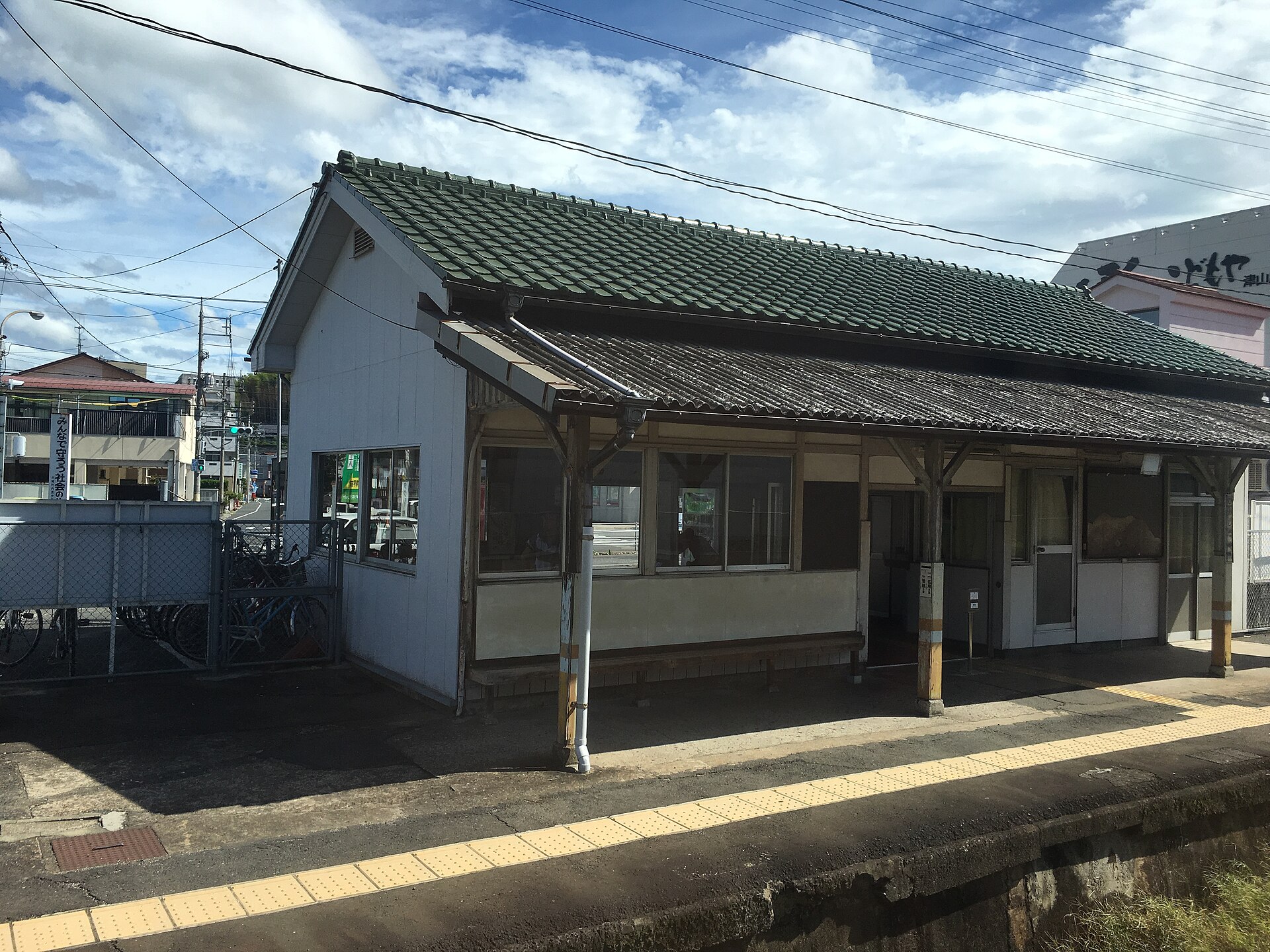
Tsuyama
Introduction
Tsuyama is a city in Okayama Prefecture, Japan. It spreads across just over 500 square kilometres, with a population density that leaves plenty of room between its households.
Before you go
Tsuyama began as the capital of Mimasaka Province and grew into a castle town under Tadamasa Mori, who was granted the province by Tokugawa Ieyasu and whose castle was completed thirteen years after he began planning it. In its heyday the castle was said to be the most magnificent in all of Japan, and the city flourished as a major stop for pilgrims along the Izumo Kaido. The castle was demolished during the Meiji Period, but citizens remain proud of their history, so expect a place that feels quieter than its past suggests. The local dialect is specific to Okayama Prefecture but not as strong or noticeable as some others; you will hear it spoken in Tsuyama. One word unique to the city, not even used in Okayama, is *bucchi*, meaning "very" (standard Japanese *totemo*); in Okayama City they say *bokke* instead. The local tourist association runs a multilingual guide site, useful for planning before you arrive.Getting there
Most travellers reach Tsuyama by train. Take the Sanyo Line to Okayama Station, then switch to the Tsuyama Line, which runs directly to Tsuyama Station — the terminus — in about an hour. Coming from the Kansai side, the Kishin Line connects Himeji to Tsuyama with a couple of transfers, and it can be the better choice if you are travelling on local trains with a Seishun 18 Ticket. From the west, the Kishin Line also links Niimi to Tsuyama, though trains are infrequent. From the north, the JR Inbi Line connects Tottori to Tsuyama, but services are sparse and the trip takes around three hours because connections in Chizu often don't line up; if you face an hour or more waiting for a transfer, there is enough time to explore Chizu's historic district.
By air, the nearest airport is Okayama Airport, some distance from the city; without a car, a reservation-only Share-Ride Taxi is the way in, with departure times that vary by month. Long-distance buses serve Tsuyama too: Ryobi Bus runs direct from Shinagawa in Tokyo, and the JR Highway Bus and JR Shinki Bus operate daily services from Kyoto and Osaka. The Kyoto bus boards at Kyoto Station, while Osaka has two boarding points — Osaka Station, from the Sakurabashi Exit, and Shin-Osaka Station. Buses from Osaka are much more frequent than those from Kyoto, so it is often easier to reserve seats or buy tickets once you arrive in Osaka; the bus reaching Shin-Osaka is the same one that leaves Osaka Station, so board at Osaka Station if you want to choose your seat or sit with a group. Drivers can use the Chugoku Expressway, which passes through Tsuyama, or Route 53 between Okayama and Tottori, leaving at the Tsuyama Interchange; Route 429 brings you in from Fukuchiyama and Route 181 from Yonago.
Getting around
Tsuyama is compact enough that you can cover the heart of the city on foot. The sights in and around Joto Street, the preserved street of old traditional buildings, are all within walking distance of Tsuyama Station, and Kakuzan Park takes roughly 15 to 20 minutes to reach on foot from the station. Even some sights set back from Joto Street, such as Shūraku-en garden, can be reached on foot. For a map of the area, stop by the information centre just to the right of Tsuyama Station. Some sites, however, are too far to reach on foot, so plan to combine walking in the centre with the Gongo Bus, a taxi or a rental bike for the rest.
- By bus: The local network is the Tsuyama City bus, known as the Gongo Bus after the city's mascot. Each ride costs a flat ¥200. From Tsuyama Station, Gongo Buses run to places around central Tsuyama, including Joto Street, as well as out to the Kume area. Buses serving the northern parts of the city are best accessed from stops closer to Higashi-Tsuyama Station rather than from Tsuyama Station itself.
- By bike: Cycling is a very common way to get around in Tsuyama, and rental bikes are a genuinely good option for visitors. You can rent bicycles at the Tourist Information Center just to the right of Tsuyama Station. Payment works on a deposit-style basis: pay the daily fee upfront, and when you return the bike you get money back depending on how long you were actually out.
- By taxi and car: Taxis are available at Tsuyama Station, which is the simplest place to pick one up. Car rentals are also available right by the station if you exit and look around the immediate area — useful if you plan to reach outlying sights that the bus network does not serve conveniently.
Where to stay
Tsuyama’s accommodation is concentrated in the central area around JR Tsuyama Station, so you can reach most of the city’s sights on foot or with a short ride. For a traditional stay, choose a ryokan with a central garden, Edo-period furnishings and meals built around local ingredients such as Sakushu beef, including seasonal specialties alongside year-round dishes. If you prefer a modern base, several business hotels sit within easy walking distance of the station, offering LAN Internet access and on-site dining; one is just a two-minute walk from the platforms, while another has a nearby annex for when it is over-booked and includes breakfast in its single rooms.
For a more spacious stay, a hotel with its own onsen and a rooftop terrace looks out toward Tsuyama Castle, with rooms designed for comfort. Elsewhere in the central streets you will find further business hotels and a castle-side option, giving you a straightforward choice between simple, well-located rooms and a slower, more traditional experience.
Food & drink
Tsuyama's signature dish is horumon udon — fried udon noodles in a sauce with pork or beef giblets — and it's what you should seek out first. Hashino Shokudo is a good place to try it, with a range of sauces to choose from, including apple and yuzu; Kuishinbo, near Higashitsuyama Station, is another popular horumon udon restaurant. For something different, Freak is a well-liked ramen shop, and Mugiwarabosi serves the Tsuyama Burger, a hamburger dressed with a sweet sauce.
The town also has two famous sweets: Tsuyama Senbei and Tsuyama Manju. You can buy both at the Visitor Center on Joto Street, as well as at some of the specialty shops along that street; Namakuraya is a small shop selling Tsuyama Senbei in three main varieties — plain, glazed, and yuzu-glazed. For an evening drink, Bar Ritz also offers pizza, garlic toast, and escargot bourguignonne, while bar ABC is a sports bar with darts, a big screen TV, free Wi-Fi, and English menus. Madonna Jr. serves lunch on weekdays and dinner Monday through Saturday.
What to see and do
Joto Street is the place to start: the old merchant houses of this Edo-period post town on the Izumo pilgrimage route have been preserved, and you can step inside the Joto Old Town House, a former merchant family's home with buildings from several eras and a garden. Nearby on the same street are the former residence of Mitsukuri Genpo, marked by prominent signs, and the Tsuyama Archives of Western Learning, which covers the city's early role in Japan's contact with the West. Above town, Kakuzan Park holds the well-preserved walls of Tsuyama Castle, a small wooden turret rebuilt to match the original, and a heart-shaped stone in the former honmaru that draws photographers; the castle grounds give you wide views over the city. The park is known for its cherry blossoms in spring and its changing leaves in autumn. Elsewhere, the Tsuyama Folk Museum traces Mimasaka's history with a replica of the original castle, the Museum of Science Education suits families, and the Port Art & Design gallery occupies a former bank built in a temple-like style, with its counters intact. For gardens and greenery, Shurakuen is a strolling garden laid out in the 17th century, worth visiting in any season, from spring blossoms to summer lilies, autumn leaves and, if you're lucky, snow. Choboji Temple, a short walk from JR Tsuyamaguchi Station, is known for the hydrangeas that bloom across its grounds in early summer, while Umenosato Park shows off plum blossoms ahead of the cherry season. At Yokono Falls you can see a three-part waterfall and, in summer, eat nagashi-somen caught from bamboo chutes at a restaurant beside the falls. Yayoi no Sato pairs a museum of Yayoi-period artifacts with life-size replicas of period houses, and the Railroad Educational Museum displays models and a train turntable. Shrines are scattered through the area, among them Nakayama Shrine, dedicated to the gods of cattle and horses, and Tokumori Shrine, which houses one of Japan's Three Great Mikoshi. For active time, Green Hills Tsuyama has an indoor pool and fitness area, and you can try making Tsuyama's handmade paper at the Ueda workshop.When to go
Tsuyama has a humid subtropical climate, so the seasons shape how you experience the town. Summer is very warm and peaks in August, when the heat sets the pace of a visit: plan your sightseeing for early or late in the day, and keep shade and water close at hand. Winter is cold, with January the coldest month on average, so pack proper warm layers and expect a quieter, chillier feel around town.
September stands out as the wettest month of the year, so rain is the defining feature of a visit then. Bring rain gear and keep indoor options handy in case a wet day changes your plans.
Three days in Tsuyama
Day one: Arrive in Tsuyama, a former castle town of Mimasaka Province in Okayama Prefecture, and get your bearings in the streets around Tsuyama Station. The city grew up under Tadamasa Mori, a retainer of Tokugawa Ieyasu, and its old role as a post town on the Izumo Kaido still shapes the centre. Ease into the pace of the place and save the wider sights for the days ahead.
Day two: Use Tsuyama as your base for exploring the surrounding area. The city sits within easy reach of Okayama City by rail, and the region's connections make day trips straightforward. Return to Tsuyama in the evening and take your time over the local streets.
Day three: Spend your last day in town before departing. Tsuyama Station connects onward to Okayama and beyond, so plan your route before you leave. If you are heading further afield, check the available connections in advance.