Isehara
Introduction
Isehara is a city in Kanagawa Prefecture, Japan, set in a landscape of roughly 55 square kilometres. It is a place you can approach as a straightforward stop in the prefecture rather than a major destination, with a modest scale that keeps getting around simple.
Getting around
Almost every journey in Isehara begins or ends at Isehara Station, the city's rail hub on the Odakyū Odawara Line. There is no metro or tram network, so your options are the train, buses, taxis, a car, or your own two feet. The network is built around commuting into Yokohama and the greater Tokyo area rather than moving around within the city, so plan your day around rail and bus timings rather than counting on ride-hailing apps. Taxis work as a fallback for short local hops, such as between the station and your accommodation.
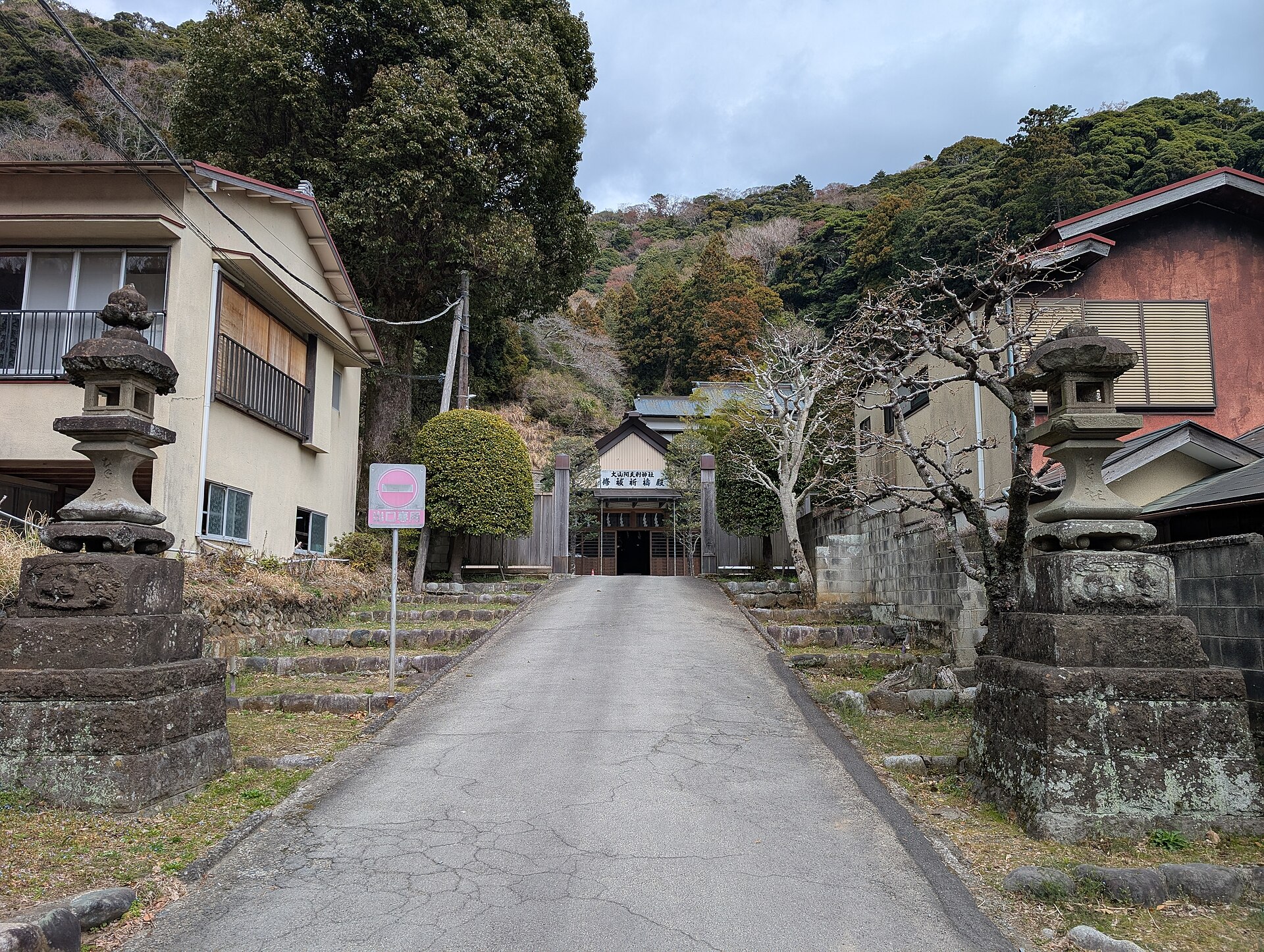
For Mount Ōyama, the workhorse is the bus: from the station's North Exit, go to Bus Stop #4 and take the bus bound for "Oyama Cable," which terminates at the stop of that name after about thirty minutes. From there you walk roughly fifteen minutes along Koma Sando, the old approach road lined with shops and tea houses, to the Oyama Cable Station. The cable car itself climbs through forest in about six minutes, with Oyama-dera Station a couple of minutes up the line and Oyama-dera Temple about a two-hundred-metre walk from it; IC cards are accepted on the cable car as well as the trains and buses. Beyond that, the summit is a proper hike of roughly sixty to ninety minutes from the shrine, so bring water and suitable footwear. Walking pays off in specific places rather than as a way to cross the city: the shopping street a few minutes from the station, with its Shōwa-era atmosphere of old signboard buildings and privately owned shops, and the mountain paths, including the old cedar trail down toward Miyagase, which needs no permit but is a genuine mountain route — carry about a litre of water, as there are no reliable springs, and take care in winter when ice under the moss makes the going hazardous.
When to go
Isehara has a humid subtropical climate, so the seasons shape your visit in fairly predictable ways. Summers are warm, with temperatures peaking on average in August — the hottest stretch of the year. Winters are cool and January is the coldest month on average, but snowfall is light to nonexistent, so snow is unlikely to disrupt your travel plans.
September is the wettest month of the year, bringing the heaviest rain of the annual pattern. If you visit then, plan for wet weather and pack accordingly; at other times of year, rain is less of a concern.
Three days in Isehara
Day one: Arrive at Isehara Station on the Odakyū Odawara Line, which connects the city to Yokohama and Tokyo. From the North Exit, taxis and buses wait to carry you onward toward Mount Oyama. Settle into Isehara itself and get your bearings before the walking begins.
- Isehara Station, North Exit – your arrival point and transport hub
- Odakyū Odawara Line – links Isehara with Yokohama and Tokyo
Day two: Take the bus from the North Exit to Oyama Cable Station, then ride the Oyama Cable up the mountain. From the top, walk the Koma Sando approach to Oyama Temple. Summers here are warm and humid, while winters are bitterly cold, so dress for the season.
- Oyama Cable – the mountain railway
- Koma Sando – the approach route on foot
- Oyama Temple – the destination at the top
Day three: Use Isehara as your base for the wider area. Beyond the city lie Shōwa and Miyagase, reachable by road, and the IC makes driving practical. If you prefer to stay close, spend the day around Isehara Station before your departure.
- Shōwa – a nearby area to explore
- Miyagase – further afield, best reached by car