Ichinoseki
Introduction
Ichinoseki is a city in Iwate Prefecture, in the Tōhoku region of northern Japan. It ranks as the second most populous city in the prefecture, after Morioka, and spreads across a large area of roughly 1,256 square kilometres.
The source material for this guide is limited, so treat this page as a starting point rather than a complete portrait of the city.
Before you go
Ichinoseki is a compact city, and the downtown area where most of the entertainment is concentrated is easy to cover on foot. The surrounding countryside was merged into the city in 2006, but the town itself remains modest in scale. The main employers are the NEC, Sony and Fujitsu General Electronics factories, which draw many Brazilian migrants to the area.
Summers here are warm and winters cold, so pack clothing that suits the season you're travelling in. Before you arrive, check the local tourist association's multilingual guide site for orientation and practical information.
Getting there
Ichinoseki sits on the Yamabiko Shinkansen line, so you can travel directly from Tokyo or Ueno in roughly three hours, with stops at Sendai and other stations along the way. If you are coming from Sendai, the Shinkansen covers the trip in about half an hour; local trains and a highway bus are also available for budget-conscious travellers.
From Sendai, a bus to Ichinoseki departs on the hour and takes about 80 minutes. You board in front of the Sakurano department store on Aoba street, near the station's west exit.
Getting around
Ichinoseki Station is the transport hub for the whole city, handling Shinkansen, local rail, city buses and taxis in one place. The downtown around the station is compact enough to cover on foot, so once you're settled you can reach the central area without any vehicle. If you want to range a little further, bicycles are available for rent at the bicycle parking lot to the left of the station's west exit — look for the Rentakun (レン太君) sign next to the office.
For anything beyond the walkable centre, the bus network is the first thing to check, and there's a taxi pool at the station for short trips, late arrivals or places the buses don't conveniently reach. Trains do the heavy lifting for the surrounding area: the Tōhoku Main Line links the communities along the valley, while the Ōfunato Line branches off from Ichinoseki and serves the more rural parts of the city, including Geibikei. The station also doubles as a convenient base for excursions to Hiraizumi, just across the city's northern border.
Where to stay
For the greatest convenience, you'll find a couple of hotels directly in front of the station's west (main) exit. The Ichinoseki Green Hotel is clean and has an in-house restaurant, while the Sunroute Hotel is also clean, has its own restaurant and offers free high-speed internet in the rooms. The Toyoko Inn is easy to spot too, its blue neon sign visible from Ichinoseki Station.
If you'd rather stay near the scenery, Itsukushien is part of Geibikei Onsen and sits close to the famous gorge. Both room types are Japanese-style: the Satsuki-tei has a bath and toilet in the room, while the Yayoi-tei has a toilet but no bath, so you bathe in the hotel's onsen. Smaller hotels and ryokan are scattered throughout the city as well, including one that is the very ryokan where Emperor Meiji stayed on his trip to the north, give or take a few fires, floods and complete rebuildings.
Food & drink
For a quick meal, you'll find a handful of small izakaya-style places right in front of the train station, including Irohanihoheto and Ne-Ne-Ya. If yakitori appeals, Michinoku and Ippachi are both well known locally. A few good unagi restaurants sit within a short walk of the station, and for late-night eating there are ramen shops and the usual chains such as Yoshinoya and Sukiya, plus a McDonald's near SATY.
For drinking, Abanzale draws a younger crowd with its bi-weekly events, small dance floor and mostly hip-hop soundtrack, shifting to jazz on quiet nights; the English-speaking owner is friendly and works as a DJ. To reach it, walk down O-machi to Top Wellness and turn left — it's the only bar on the street, with a light on its sign. Bothy, straight out of the station past the underground walkway and up the stairs on your right, serves good food with a nice alcohol selection and usually plays old rock and roll. Sugar Bar, reached by turning right at the traffic lights after the walkway, has perhaps the best alcohol selection in the city, friendly owners, excellent pasta and pizza, raw ham cut at the counter, jazz on the stereo and cigars if you're interested. Dozens of hostess bars and snacks cluster around the station too — best avoided if you don't understand how they work; Ageha and Ichigo are among the more popular.
What to see and do
Ichinoseki's standout sight is Geibi-kei Gorge, reached by a short walk from Geibikei Station on the JR Ofunato Line. Flat-bottomed boats carry you upstream past Buddhist rock carvings to a scenic stretch where you can step ashore, take in the views and buy ceramic stones to throw at a hole in one of the rocks for good fortune; the round trip, including the stop, runs about ninety minutes. Genbikei Gorge, whose name translates roughly as "Gorge of Harsh Beauty", is known for white water rushing over rocks and a few waterfalls, and for dango sent across the river to customers by overhead cable. The surrounding area has many hot spring hotels and ryokan.
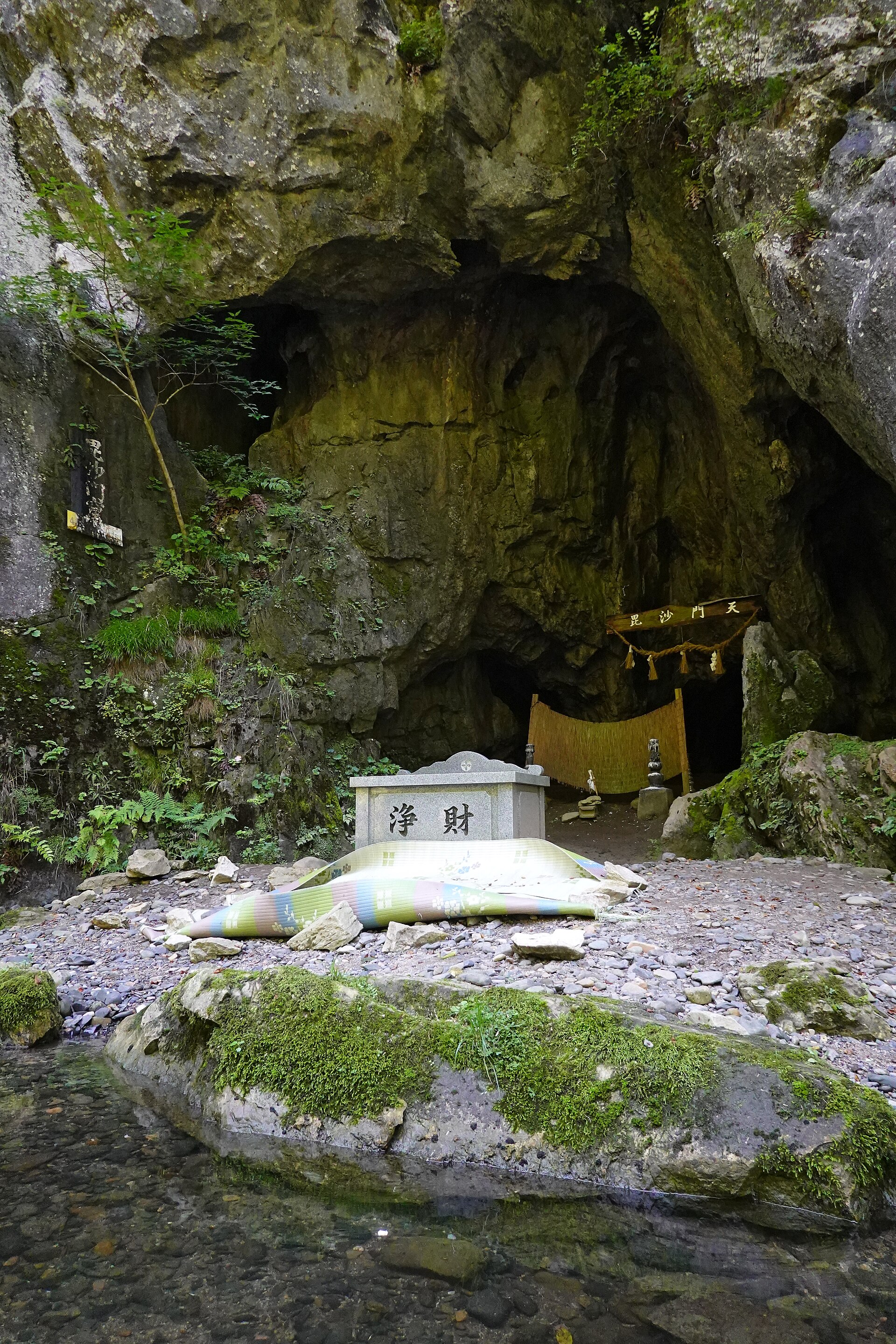
For museums, the Ichinoseki City Museum holds a permanent collection of objects and artifacts from the city and prefecture, including a katana exhibit, alongside special exhibits. The Okago Christian Martyrdom Museum, closed Mondays, tells the history of Christianity in Okago and the wider Tohoku region; the surrounding memorial park also has a museum housing crucifixion statues (closed in winter), a history trail lined with quotes and letters from Christian figures, and Okago Church. The Ashi Tozan Memorial Museum is dedicated to the life and works of a man who wrote a criminal code while imprisoned. The Ichinoseki City Folk Museum, set in a closed elementary school, exhibits daily life among farmers, mountain dwellers and river valley communities, and is free. Outdoors, climb the long flight of stairs to Haishiwa Shrine, at the top of a densely wooded hill with giant, thousand-year-old trees, or walk the straight path west of the station to Tsuriyama, a large hill lit by lanterns at night during cherry blossom season and offering an overview of the city and station from its summit park. Yugen-do Cave, discovered in 1980, contains rock formations and fossils and is rumoured to have sheltered Japanese Christians during the Edo period.
When to go
Ichinoseki has a humid climate, so plan around warm summers and cold winters rather than expecting mild weather year-round. Summer is the warmest stretch, peaking in August, when you can count on the year's higher temperatures. If you visit in September, just after the summer peak, be prepared for the heaviest rain of the year, since it is the wettest month.
Winters are cold, with January the coldest month and also the driest, so a winter visit tends to be cold but comparatively dry. If you want to avoid both the summer heat and the wettest weather, keep in mind that the rainy peak in September and the cold of midwinter shape the rest of the year.
Three days in Ichinoseki
Day one: Arrive in Ichinoseki by Yamabiko Shinkansen from Tokyo or Ueno, or connect through Sendai if coming from further south. Settle into a base in the city — the Ichinoseki Green Hotel, Sunroute Hotel and Toyoko Inn are all convenient options — then spend the afternoon getting your bearings around Ichinoseki Station. For dinner, look for a local restaurant serving Japanese dishes; Satsuki and Yayoi are names worth noting.
- Yamabiko Shinkansen from Tokyo or Ueno
- Connection via Sendai
- Ichinoseki Green Hotel, Sunroute Hotel, Toyoko Inn
- Satsuki, Yayoi
Day two: Head out to Geibikei and Hiraizumi, the two highlights within easy reach of the city. Geibikei offers a river gorge experience, and Geibikei Onsen is nearby if you want to soak afterwards. Hiraizumi rewards a slower pace with its historic sites. Return to Ichinoseki in the evening; Itsukushien is a good choice for a traditional Japanese meal.
- Geibikei
- Geibikei Onsen
- Hiraizumi
- Itsukushien
Day three: Use the Tōhoku Main Line or rent a car — Rentakun is a local option — to explore further afield before departing. If time allows, Morioka is reachable by Shinkansen for a half-day extension. Summers here are warm and humid, so plan outdoor activities for the morning. Catch your Shinkansen back toward Tokyo or Sendai in the afternoon.
- Tōhoku Main Line
- Rentakun
- Morioka
- Shinkansen to Tokyo or Sendai