Higashihiroshima
Introduction
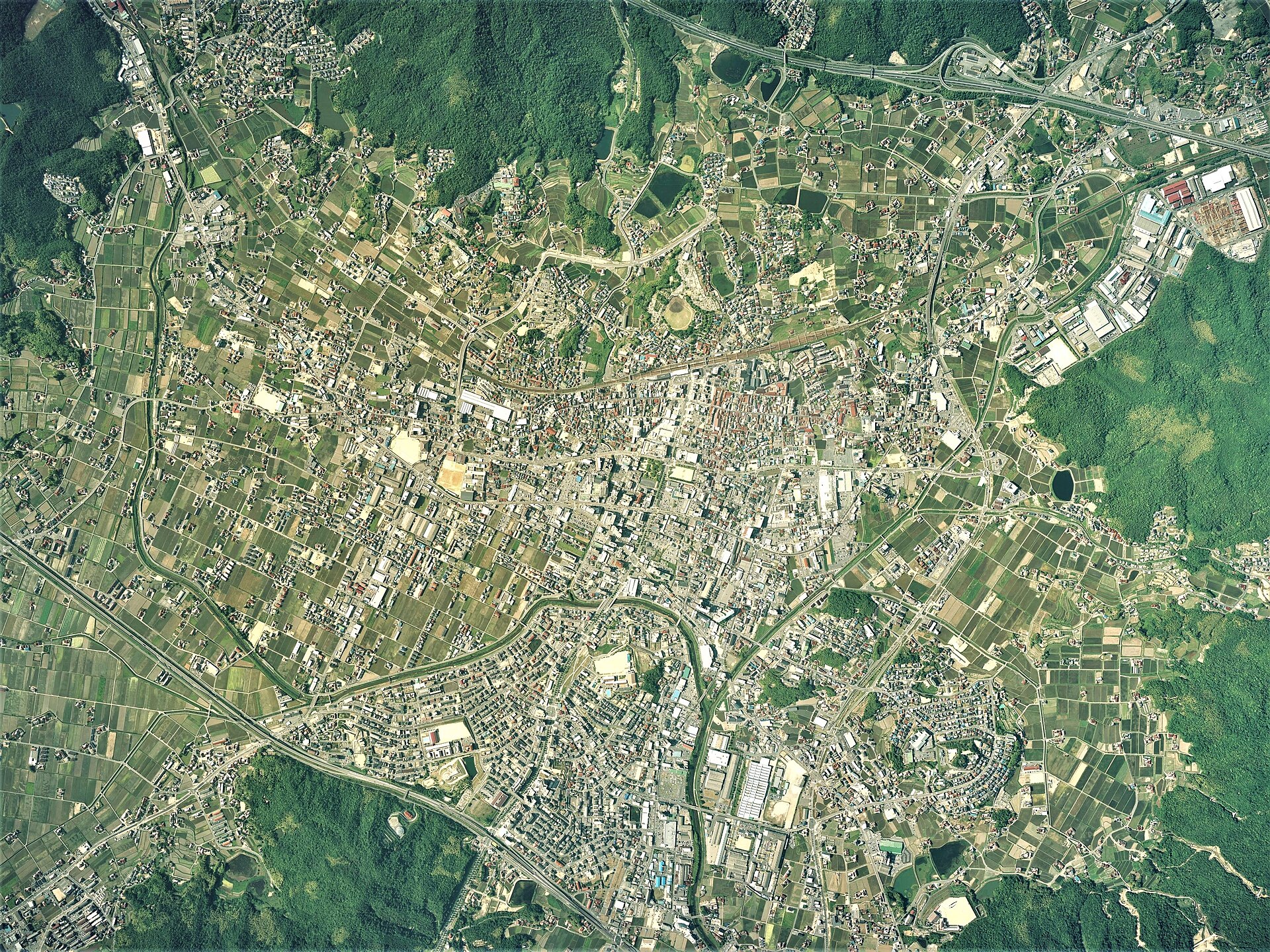
Higashihiroshima is a city in Hiroshima Prefecture, Japan. It spreads across a large area of roughly 635 square kilometres, giving it a low population density and a landscape that mixes settled districts with open country.
If you are planning a visit, expect a quieter, more spread-out side of the prefecture than the region's better-known urban centres, with life distributed across the city's households rather than concentrated in a single core.
Before you go
Higashihiroshima is a university town, home to Hiroshima University, and sits next to Hiroshima, which makes it a commuter town for the city as well. Before you go, note that the local tourist association runs a Japanese-only guide site with basic navigation in English. The sake breweries put out an excellent walking map, in both English and Japanese, listing all the breweries along with dozens of restaurants and several shops. Pick one up as soon as you can: the English version appears to exist only as a free paper copy handed out at the breweries, while the online brewery map is in Japanese only.Getting there
Saijo is straightforward to reach from Hiroshima and works well as a day trip from the city. The train is the simplest option: JR Saijo Station sits on the Sanyō Main Line, and the ride from Hiroshima takes around 35 minutes.Getting around
Trains are the backbone of travel in and around Higashihiroshima, operated by JR West. Three lines serve the city: the San'yō Shinkansen, which stops at Higashi-Hiroshima Station and connects you to the national high-speed network; the San'yō Main Line, running through Hongō, Kōchi, Nyūno, Shiraichi, Nishitakaya, Saijō, Jike and Hachihonmatsu; and the Kure Line, which serves the coastal side at Akitsu and Kazahaya. For most trips, you'll use the San'yō Main Line to reach Saijō, the key station for the central sights — about a 35-minute ride from Hiroshima, making the city a manageable day trip. Buy tickets at station machines or counters in the usual JR West way, and if you're doing a lot of rail travel in the region, check whether a Japan Rail Pass or a regional JR West pass covers the lines you plan to use. There is no metro or tram network, so rail and road are your options.
Buses fill the gaps between rail stations and the scattered basins and towns that make up the wider city, and they're the practical way to reach places that aren't on a rail line; a sensible approach is to take the train to the nearest station and continue by bus from there. You generally pay on boarding or alighting depending on the operator, and IC cards are widely usable, but confirm fares and passes locally since coverage varies by route. Taxis suit short trips where buses are infrequent or when you're carrying luggage, particularly around the stations; ride-hailing apps have limited presence here, so taxis from a station rank or arranged through your accommodation are more dependable. Central Saijō itself is very easy on foot — it's quite flat, and the major attractions, including the Sakagura Dōri district near JR Saijō Station with its namako walls and Sekishu Gawara red-tile roofs, sit within roughly a couple of kilometers of one another, so you can arrive by train, explore the breweries and surrounding streets on foot, and head back the same way. Outside the central basin, the low density and hilly terrain make walking less practical, so combine rail or bus with your walking beyond the core. If you're arriving by air, the usual pattern is an airport limousine bus from Hiroshima Airport to a major rail station, then a train to Saijō or Higashi-Hiroshima; confirm current timings locally, as airport bus schedules are coordinated with flight arrivals.
Where to stay
Where to stay in Higashihiroshima is straightforward: the city's accommodation is concentrated around Saijo, and the pickings are practical rather than plush. A no-nonsense business hotel, Hotel Sunrise21, sits on Showa-machi in Saijo, just over a 2 km walk south of the main station — a manageable stroll if you're travelling light, though you may prefer a taxi with luggage. Rooms here are aimed at working travellers, so expect the essentials done well rather than resort-style extras. Book ahead if your visit coincides with a busy period in Saijo, as the town's business-hotel stock is limited and fills quickly.Food & drink
Saijo is the heart of eating and drinking here, and sake runs through both. The local specialities are built on it: bishu-nabe is a hot pot made with sake, originally a brewer's dish cooked for brewery staff, while kome-kara is fried chicken whose batter includes sake and rice powder. For these, head to Kuradokoro Taru, an izakaya a short walk south of Saijo Station, which serves both dishes in a casual, pub-like room with heated tents, Western-style seating and tatami floors, and a crowd of locals drinking in quantity. Kuromboya, in Saijo Honcho, takes a different tack with yoshoku — Japanese-style Western cooking — including hamburger steak and tonkatsu. To drink, the seven breweries along the Sakagura-dori walking tour are the obvious draw. Tasting at all of them in the middle of the day, up to five cups apiece, is enough to stagger even the hardiest visitor, so plan the walk accordingly.What to see and do
In Saijo, the area to explore is Sakagura-dori, the street of sake breweries just south of the JR station. Seven breweries stand close together here, along with shops and cafes, and you can walk between them in a loop of roughly twenty to thirty minutes. The breweries welcome visitors for tastings and sell bottles of their sake, so you can sample as you go and take a bottle home. The architecture is part of the appeal. Look for the red brick chimneys rising above the low classical buildings, twelve of them in all, and the red akagawara tiles on the roofs. The walls carry distinctive black and white namako lattices, and balls of Japanese cedar leaves, known as sugidama, hang from the eaves of the breweries.When to go
Higashihiroshima has a humid subtropical climate, so plan around two distinct seasons rather than a single ideal window. Winters are cool to mild, with January the coldest month on average; the lowest temperatures of the year fall then, though extremes are rare. Summers are hot and humid, and August is the hottest month on average.
Rain matters most in July, the wettest month of the year, so if you want to avoid the heaviest downpours, look at other parts of summer or at the milder winter months. Otherwise, pack for humidity and sudden rain if you visit in midsummer.
Three days in Higashihiroshima
Day one: Base yourself in Saijo, the sake-making heart of Higashihiroshima, and start at JR Saijo Station on the Sanyō Main Line. Trains on the JR West network also connect via the Shinkansen at Higashi-Hiroshima Station, so you can arrive from Hiroshima or further afield on the Sanyō Main Line. Pick up a Japan Rail Pass before you travel if you plan to ride the Shinkansen, and use the local lines for the smaller stops.
Day two: Head out along the lines that thread through the city's smaller districts. The Kure Line runs toward Akitsu and Kazahaya, while the Sanyō Main Line serves Hong, Kōchi, Nyūno, Shiraichi, Nishitakaya, Saij, Jike and Hachihonmatsu. Buses fill the gaps between the stations. Hiroshima University sits within the city, and you can spend part of the day around its campus before returning to Saijo for the evening.
Day three: Use Saijo as your final base and explore its sake breweries and streets on foot. If you have time before your train, ride the Sanyō Main Line back toward Hiroshima or continue on the Kure Line to the coast. Japanese and English signage at the stations makes the network easy to navigate, and the Japan Rail Pass covers the Shinkansen leg if you are heading onward.