Ota
Introduction
Ōta is a city in Gunma Prefecture, Japan, covering an area of roughly sixty square kilometres. It is a substantial population centre within the prefecture, with well over a hundred thousand households.
Before you go
Before you go, it helps to know that the local tourist association runs a partly bilingual guide site, which is the most useful starting point for planning your visit. Because the information available in English is limited, you should expect to rely on Japanese-language sources for some details and plan accordingly.Getting there
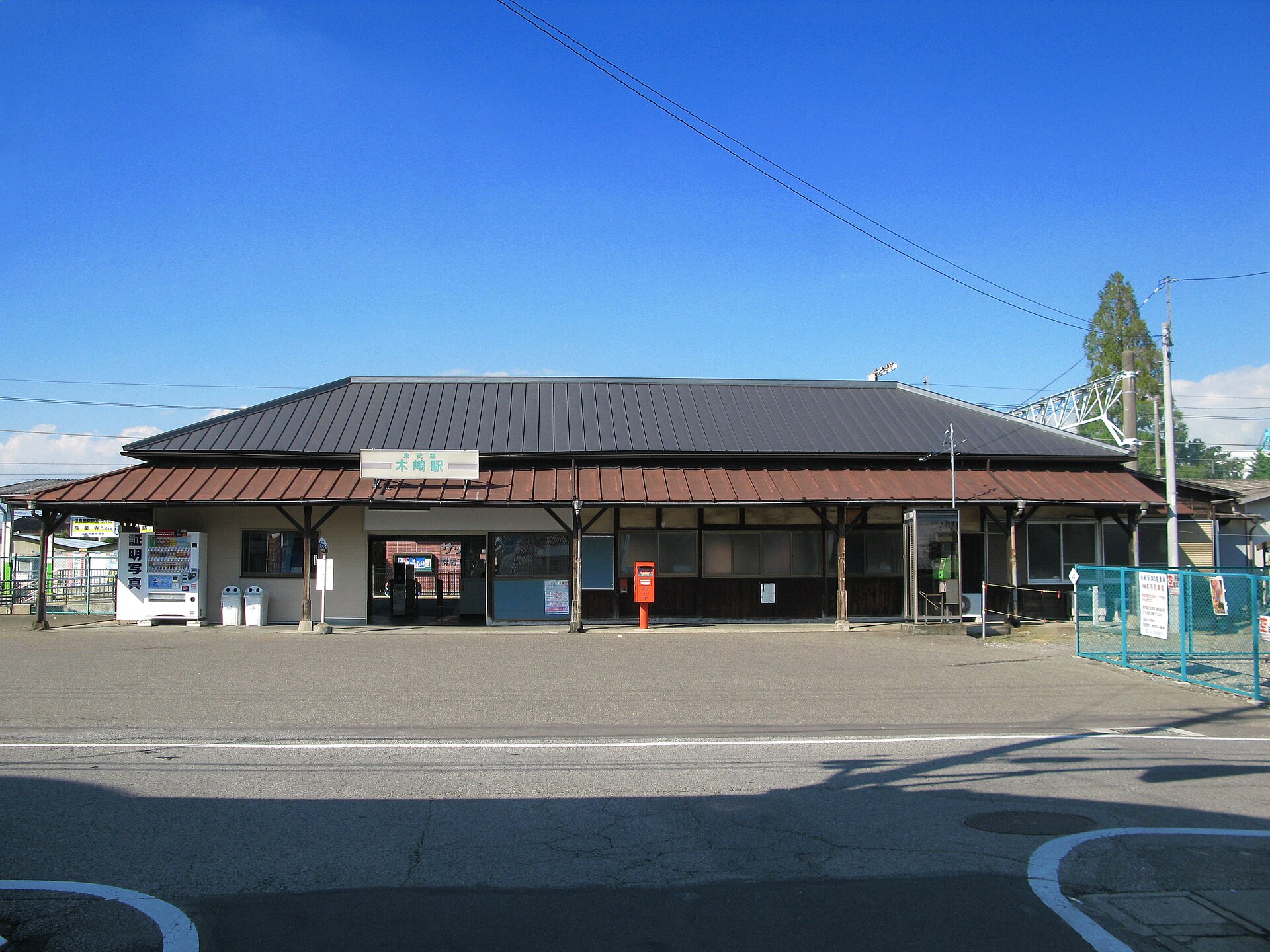
Ota sits on Tobu's Isesaki Line, roughly 80 kilometers from Tokyo and 30 kilometers from Maebashi, the capital of Gunma Prefecture. The most comfortable approach is the direct Ryomo limited express from Asakusa station in Tokyo. These services run every 30 minutes during the mornings and evenings and hourly during the middle of the day, taking 90 minutes to reach Ota. Local Tobu trains are the slower alternative: with a few transfers along the way, the journey takes about 2¼ hours.
If you are arriving from Narita airport, the Maple Bus Liner is the easiest option, leaving almost every hour. The trip takes roughly 3 hours.
Getting around
Ota is a car-oriented city, shaped by its automotive heritage, and public transport within it is thin. The Tobu Isesaki Line is your way into Ota rather than a dense network for moving around it, and there are few stations inside the city. Buses tend to run only on main thoroughfares, so they are useful for reaching principal roads and central areas but will not reliably get you to destinations off the main routes; check the routes serving your specific area before committing to a car-free stay. Walking works well only within central Ota or within a single neighbourhood. For anything beyond that, you will want wheels. If you are staying outside central Ota, renting a vehicle is the most logical option, and Toyota Rent-a-car has two locations in the vicinity of the station, with various sizes of vehicles available. This is the most flexible way to reach Subaru-related sites, outlying areas, and anywhere the bus network does not cover. Taxis are a reasonable fallback for short trips or places buses do not serve, but do not count on app-based ride-hailing being widely available. To get into Ota in the first place, the Ryomo limited express from Asakusa on the Tobu Isesaki Line is the quickest rail option, while local Tobu trains are cheaper but require transfers and take considerably longer; from Narita, the Maple Bus Liner coach runs directly to Ota.Where to stay
Plan your overnight stay around the wider area rather than expecting a range of choices within the city itself.
Food & drink
Ota's signature dish is Ota-Yakisoba, a local take on fried noodles worth seeking out while you're in town. For drinking, head to the south side of Ota Station, where you'll find a concentration of bars and the largest hostess bar district in Northern Kanto. Many of the hostess bars are effectively Japanese-only, though some establishments—particularly those staffed by Filipinas—do occasionally welcome non-Japanese visitors. At the lower-priced clubs, expect to spend roughly 4000 to 5000 per hour including drinks, but be aware that some places may pad the bill, so keep an eye on your tab. For a more straightforward night out, United on Iida-cho, right down the main drag on the left side of the street, is a local sports bar catering mainly to Western and Japanese clientele—a good spot to sit back with a beer, watch the game, or shoot a round of pool, with an owner and staff who speak English and are extremely hospitable. Ebony, on Route 407 behind Sushi-ro, is Ota's largest dance club and has served the area's large South American population for over a decade; the clientele is usually Brazilian and Peruvian, with many hostesses from around the world dropping in on Saturday nights after 2am. The drink menu is sparse, but the 70s disco interior and atmosphere alone make it worth a visit.What to see and do
Ota rewards those willing to move between its downtown and the surrounding hills and hot spring country. Northwest of the centre stands Daikoin Temple, founded in the early 17th century and popularly known as Kosodate Donryu, or the child-raising Saint Donryu. Further out in the same direction lies Yabuzuka Onsen, the city's hot spring area, which began as the separate town of Yabuzukahoncho before being annexed by Ota. In the Yabuzuka Onsen area you can also visit the Snake Center, known for its collection of rare snakes. North of the downtown, Kanayama Castle sits atop Mt. Kanayama, a Kamakura-era stronghold on the mountain's summit. Closer to the city's ancient past is Tenjinyama Kofun, a large burial mound dating from around the 5th century. Note that the source material lists no specific activities for Ota beyond these sights, so plan your time around visiting them rather than expecting organised tours or events.Three days in Ota
Day one: Base yourself in Ota and use Ota Station as your starting point. The Tobu Isesaki Line connects Ota with Tokyo's Asakusa, and the Ryomo limited express links it to Maebashi and other parts of Gunma Prefecture. If you are arriving from Narita, the Maple Bus Liner is a direct option. Once settled, spend your first afternoon walking the streets around the station and trying yakisoba, the local dish Ota is known for.
Day two: Head out into the wider Northern Kanto region. The Tobu Isesaki Line and the Ryomo service make it straightforward to reach nearby cities, and local Tobu trains cover shorter hops. Buses and taxis fill in the gaps where the rails do not go. If you want more flexibility, Toyota Rent and Subaru are among the car rental options, though for many visitors the trains are enough.
Day three: Slow down and stay local. Ota has a sizable community of Filipinas and other foreign residents, and English is not always widely spoken, so a few words of Japanese help. Before you leave, plan your onward transport: the Tobu Isesaki Line back toward Tokyo, the Maple Bus Liner to Narita, or a train onward to Maebashi. Because Ota sits within easy reach of both Tokyo and the rest of Gunma Prefecture, it works well as a final stop before you move on.