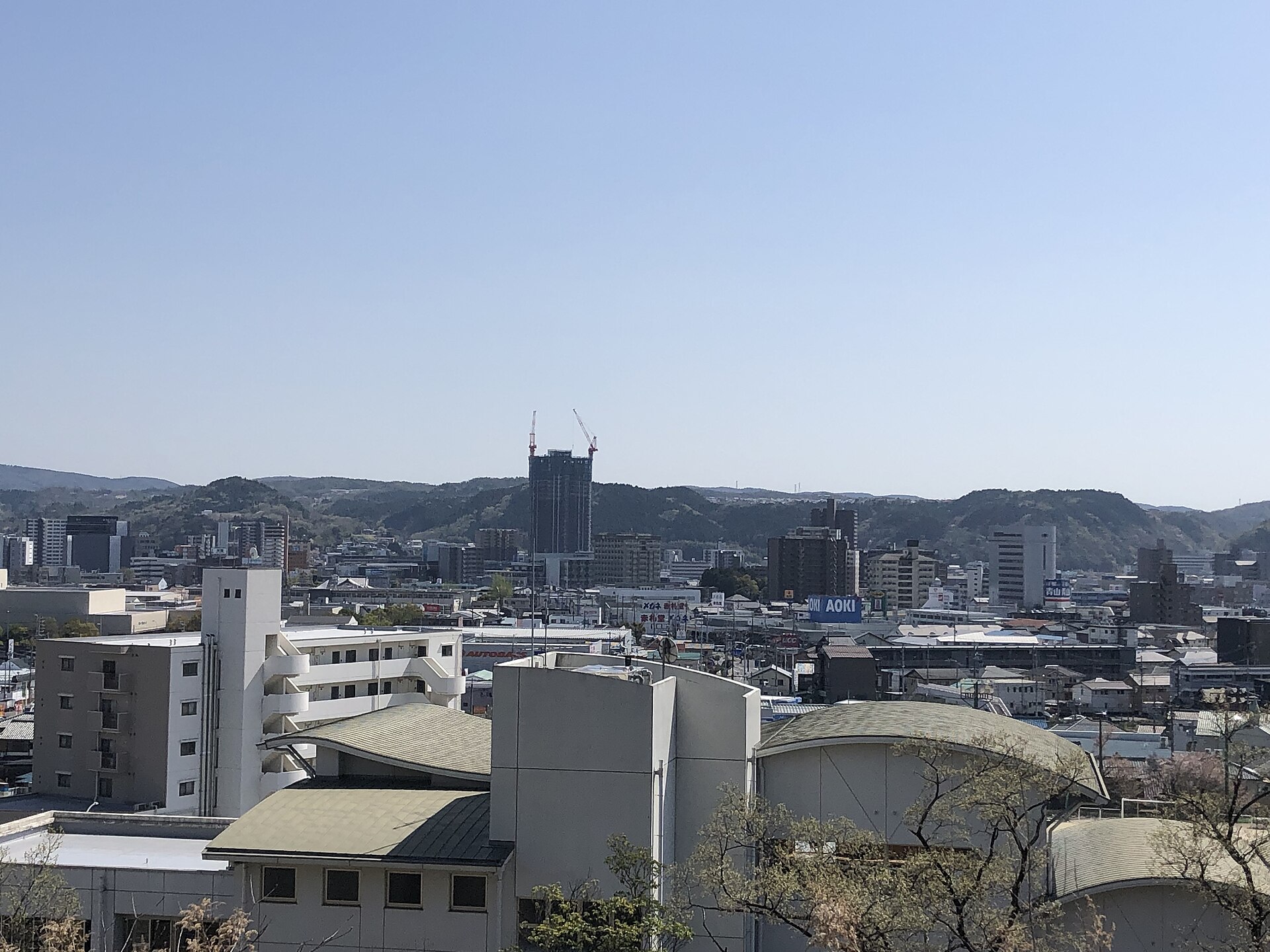
Tajimi
Introduction
Tajimi is a city in Gifu Prefecture, Japan, known above all for its production of Mino ware ceramics, particularly in the Oribe and Seto styles. If you have an interest in Japanese pottery, the city's kilns and ceramic traditions give you a reason to plan a visit around them.
Tajimi is also a member of the World Health Organization's Alliance for Healthy Cities (AFHC), a detail that reflects the city's civic priorities rather than its sights. The source material offers little on neighbourhoods, food or specific attractions, so treat this as a starting point and seek out more detailed local information before you go.
Before you go
Tajimi sits in the Mino area, which is known for its ceramics, and the city is no exception: the famous green pottery of Mino is on display at museums and cultural centres around town. Keep this in mind as you plan, since pottery is the thread that ties a visit together.
Tajimi is a smaller city, and it works well as a break from the pace of major cities. Before you set out, note that the local tourist association runs two guide sites — one in Japanese only and one in English only — so check the English site for practical details ahead of your trip.
Getting there
The nearest international airport is Nagoya-Centrair, from which you can reach Tajimi in as little as an hour by train. The best place to change between the Meitetsu Line and the JR Chūō Line is Kanayama, where there is a dedicated interchange gate, though note that most Shinano Limited Expresses do not stop there. If you have a Japan Rail Pass, exchange your voucher at the Central Japan Travel Center in the airport's Arrivals Lobby to save a detour to Nagoya station, though you will still need a separate ticket for the Meitetsu Line. In the unlikely event that you use the domestic-only Nagoya-Komaki Airport instead, take the bus to Kachigawa Station, from where the JR Chūō Line continues to Tajimi.
The most obvious way in is the JR Chūō Line, with frequent Local and Rapid trains from Nagoya taking between 35 and 45 minutes. Tajimi is also served by all Shinano Limited Express trains, which are faster from Nagoya but far more expensive, and more useful from the other direction, such as Kiso-Fukushima, Shiojiri, Matsumoto and Nagano. From Tokyo, allow around two and a half hours. The Taita Line runs to Mino-Ōta, where you can change for Gero, Takayama and Hida on the Takayama Line, or for Seki, Mino and Gujō on the non-JR Nagaragawa Railway; some Taita Line trains continue to Gifu, which is cheaper and sometimes faster than going through Nagoya, and stop at Unuma, a short walk over the Inuyama Bridge from Inuyama Castle. Long-distance buses for much of the country come into Nagoya, from where you should take the train, but a few services reach Tajimi directly: the Chūō Liner Kani-gō runs twice a day from Tajimi Station North Exit to Shinjuku, and other buses serve Tajimi Bus Stop on the Chūō Expressway, including services from Shinjuku and a daily bus to Iida that also stops at Magome. Tajimi Station is about a 25-minute walk from the expressway bus stop, and local buses are infrequent; a better option may be Mizunami-Tentoku Bus Stop, served by all the buses that serve Tajimi Bus Stop, from where you can walk 15 minutes to Mizunami Station and continue to Tajimi on the JR Chūō Line.
Getting around
Tajimi's public transport is modest, so plan on covering ground by car or taxi. Local buses exist but run infrequently and aren't always convenient for sightseeing; during daytime hours, Tōtetsu Bus reduces some local fares, which makes short hops cheaper than you might expect. Taxis are a straightforward choice if you're heading somewhere outside the main tourist route, carrying luggage, or travelling in a group. The central area around Tajimi Station is fine on foot, but some sights and transport links sit at the edge of comfortable walking range.
- On weekends and holidays, the Kikyō Bus Oribe Kankō Route runs several times a day from Tajimi Station South Exit to Eihō-ji Temple, Tajimi Shudoin, Ceramics Park and the Ceramic Art Museum for a flat low fare — the best option if you'd rather not deal with regular buses, taxis or a long walk.
- Tajimi Station is the hub: the JR Chūō Main Line connects to Nagoya and points north, and the JR Taita Line branches toward Mino-Ōta, where you can change for the Takayama Line or the Nagaragawa Railway; some Taita Line trains continue to Gifu.
- There's no metro or tram network — rail here means the two JR lines.
- Long-distance highway buses mostly feed into Nagoya, though a few stop at Tajimi Station North Exit or at the Tajimi Bus Stop on the Chūō Expressway; the latter is a substantial walk from the station with infrequent local bus service.
Where to stay
Tajimi is a small city and its accommodation is limited, so plan where you sleep before you arrive. The most straightforward choice for most travellers is Oustat Kokusai Hotel in the Hakusan-cho area, a comfortable hotel with its own onsen — a welcome way to unwind after a day exploring the city's ceramic heritage.
- Oustat Kokusai Hotel (Hakusan-cho): a comfortable hotel with its own onsen, convenient as a base for seeing the city.
- Tajimi Love Hotel Wow (Ichinokura, about ten minutes by car from the Tajimi interchange): a typical love hotel, fully automated with minimal direct contact between guests and staff. It offers robust room service with tasty food, and parking is available though the spaces are a little tight.
Food & drink
Tajimi's signature dish is koro udon, a cold udon served with ginger and green onions, and you can eat it at its birthplace, Shinanoya. For a broader meal, head to Naniwa on Sakaemachi, where dishes are served on local Minoyaki pottery — a fitting way to eat in the town known for its ceramics.What to see and do
Tajimi rewards travellers who slow down and look closely. Eihōji Temple, reached by bus from the station's north exit and then a short walk, is a fine place to see cherry blossoms in spring and vivid foliage in autumn; its small bridge over a pond is the centrepiece of the grounds. Nearby, the Tajimi Shūdōin, an old monastery from the early twentieth century, makes a pleasant contrast to the city's temples, and its gift shop sells wine and other items. If you want to experience an authentic Zen Buddhist morning service, Eihōji Temple holds one on the third Sunday of each month.
Ceramics are central to Tajimi's identity, and two venues let you explore them. The Mino Ceramic Art Museum displays beautiful Mino-style ceramics and has peaceful grounds to stroll through; note that it closes on Mondays. Further out, Ceramics Park Mino is home to the Museum of Modern Ceramic Art, and a lookout platform near the park gives a nice view over the city. To unwind afterwards, take a dip at Tenkō no Yu, a hot springs bathhouse with several different baths to soothe the stresses of travelling.
When to go
Tajimi has a humid subtropical climate, so the seasons shape your visit considerably. Summers are hot and humid, with August the hottest month on average; the city has recorded Japan's highest daytime temperature, so plan for intense heat and humidity if you come then. July is the wettest month, bringing heavy rain alongside the heat, so pack for both.
Winters are relatively cold, with January the coldest month on average. Expect chilly conditions if you visit then, and dress accordingly.
Three days in Tajimi
Day one: Arrive in Tajimi, a city in Gifu Prefecture known for its Mino and Oribe ceramics, and take your time settling in before exploring the streets and getting a feel for the place. If you are coming from Tokyo, the JR Chūō Line and Shinano Limited Expresses connect you via Nagoya, and a Japan Rail Pass can cover the journey. From Nagoya, the Meitetsu Line and JR lines run through Kanayama and Kachigawa Station, where local and rapid services continue onward. If you fly in, Centrair and Komaki Airport are the arrival points, and the Central Japan Travel Center in the Arrivals Lobby can help with onward connections. Keep your first day light and let the city introduce itself.
- Arrive via the JR Chūō Line, Shinano Limited Express, or Meitetsu Line
- Use the Central Japan Travel Center at the Arrivals Lobby for planning
- Spend the evening wandering Tajimi's streets
Day two: Give the day to Tajimi's ceramic heritage, the Mino and Oribe wares that define the city's character. The Taita Line is useful for reaching nearby areas, and the wider region connects onward toward Gero and Takayama if you want to extend your loop. English signage and information are available at the main stations, so navigating is straightforward. Take your time and let the pottery tradition set the pace of the day.
- Explore Mino and Oribe ceramics in Tajimi
- Use the Taita Line for nearby connections
- Consider onward travel toward Gero and Takayama
Day three: Use your final day to connect with the wider region. The Shinano Limited Express runs toward Kiso, Shiojiri, Matsumoto, and Nagano, while services also reach Fukushima, making a day trip feasible. If you are heading back toward Nagoya, the Meitetsu Line and JR Chūō Line via Kanayama and Kachigawa Station keep you well connected. Tajimi's participation in the Alliance for Healthy Cities and the World Health Organization's Healthy Cities network reflects a community-minded spirit worth keeping in mind as you wrap up your visit.
- Day trip via the Shinano Limited Express toward Kiso, Matsumoto, or Nagano
- Return via Kanayama and Kachigawa Station on the Meitetsu or JR Chūō Line
- Allow time for a final look around Tajimi before departure