Trapani
Introduction
Located on the west coast of Sicily, you will find a historic city that serves as the capital of its namesake province. Established by the Elymians, this coastal destination maintains its character as an important fishing port and acts as your primary gateway to the nearby Egadi Islands.
Before you go
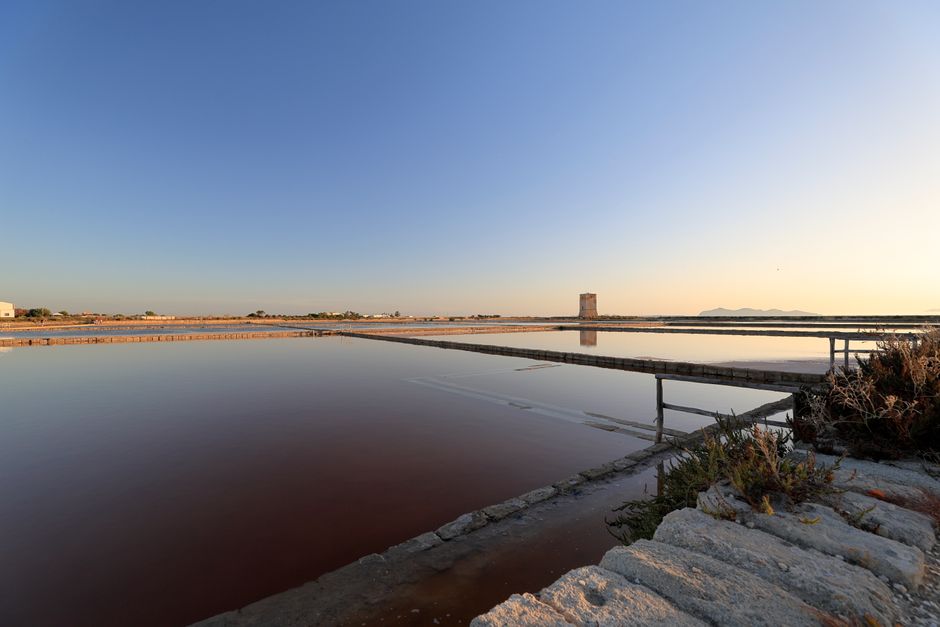
Prepare for a city shaped by its maritime history, where the urban layout preserves Arabic influences and Baroque churches rise above former trading quarters. You will experience a relaxed pace of life characterized by morning markets and evening strolls along the seafront. The landscape is defined by a blend of old and new, from restored façades to modern cafés set into medieval structures. Beyond the city limits, you can explore the nearby salt pans, the coastal countryside, and the Aegadian Islands.
The local culture is deeply rooted in religious traditions, particularly during Holy Week when processions unite neighborhoods and families. You can also experience seasonal festivals, music performances along the waterfront, and a growing diversity of cultural events. To enjoy the Mediterranean climate, plan for warm coastal breezes and abundant sunshine, while noting that the nearby hill town of Erice often experiences cooler temperatures and mist.
Getting thereYou can reach Trapani through several modes of transport, as it serves as a major gateway for western Sicily and the Aegadian Islands. If you arrive by air, the local airport in Marausa offers domestic and seasonal European routes with short bus or taxi transfers to the city. Alternatively, you can fly into Sicily's main international airport and take a direct coach to Trapani.
For those traveling by sea, you can arrive at the cruise terminal located beside the historic centre or use the fast ferry terminal for connections to the Aegadian Islands and Pantelleria. Rail travelers can utilize the regional terminus which provides coastal connections toward Palermo. If you prefer road travel, long-distance buses offer frequent service from various nearby towns and the Palermo airport, while the A29 motorway connects the city to Palermo by car.
Getting around
You will find that the historic centre of Trapani is compact and largely flat, making it easy for you to navigate the area on foot. Most major sights, including museums, restaurants, beaches, and ferry terminals, are situated within a short walk of one another.
For longer journeys or specific destinations, several transportation options are available:
- Local buses connect the old town with the suburbs, beach areas, and the Erice cable-car station.
- Taxis can be found at ranks near the port, main squares, and the station; you may also use app-based ride services.
- Cycling is an option along the seafront, though it is less practical within the narrow streets of the historic district.
- The Erice Cable Car provides a way to reach the upper destination from its lower station.
Where to stay
You can find a variety of accommodations situated in and around the historic centre, where many lodgings are housed in restored historic buildings. Your options include small hotels, serviced apartments, and bed-and-breakfasts that offer unique architectural features.
- Stay in a boutique guesthouse within a restored building to enjoy contemporary Sicilian cuisine or relax in a villa set within large historic gardens with pools.
- Choose a serviced residence featuring studio and junior-suite apartments, some of which provide sea views or terraces.
- Select an art hotel located in a restored palace that offers spa facilities, a wine cellar, and a rooftop terrace.
- Opt for a family-run, eco-friendly bed-and-breakfast near the Pepoli Museum that provides bicycle rentals and a shared lounge.
- Stay at a hotel in the historic centre where the reception can arrange airport transfers and equipment for activities like diving or windsurfing.
Food & drink
Experience a robust coastal Sicilian food scene where you can enjoy fresh seafood, traditional street snacks, and local specialties like couscous and Trapani-style pizza. Many restaurants are concentrated in the historic centre around Corso Vittorio Emanuele. You can choose from various dining styles, including deli-style eateries serving cured meats and sandwiches, family-run trattorias offering rustic fish dishes, or waterfront spots where you can enjoy seafood with views of the sea. For a taste of local tradition, seek out panelle and potato croquettes at portside locations or visit historic spots known for their traditional fish couscous reflecting North African influences.
Explore the local drink scene by sampling wines from the nearby Val di Mazara Wine Region, which produces varietals such as Grillo, Nero d’Avola, Inzolia, and Zibibbo. You can also enjoy aperitifs on panoramic terraces overlooking the sea or visit a sunset terrace bar to take in views of the Aegadian Islands.
- Stragusto: A summer food festival held in the former fish market featuring Sicilian and Mediterranean street food.
- Rosso Aglio & Bianco Sale: A gastronomic festival in Nubia dedicated to red garlic and Trap1ani salt, including guided visits to nearby salt pans.
What to see and do
Explore the historic centre of Trapani, where a dense concentration of museums, churches, and fortifications reflect a multicultural maritime past within easy walking distance. You can wander through the city’s diverse architectural landscape to see the Baroque grandeur of the Trapani Cathedral or the sculpted groups in the Church of the Holy Souls in Purgatory. For those interested in the city's seafaring history, visit the Ligny Tower, which houses a collection of maritime finds and prehistoric artefacts, or the nearby coastal fortifications like Colombaia Castle on its own small island and the Bastion of the Impossible.
The city offers a variety of cultural experiences through its unique exhibition spaces and civic landmarks:
- Explore the Pepoli Museum to view collections of coral art, jewelry, and ceramics.
- Visit the Museum of Optical Illusions or the contemporary art space at Palazzo San Rocco.
- View the astronomical clock atop the medieval Porta Oscura gate.
- Walk along the seafront to see the restored former fish market or the Liberty-style architecture of the Post Office Palace and Casina delle Palme.
- Experience the city's religious heritage at the Basilica of San Nicolò, the Church of Saint Peter, and the sanctuary housing the marble Madonna of Trapani.
Three days in Trapani
Day one, you can explore the historic heart of Trapani and walk along Corso Vittorio Emanuele to experience the local atmosphere. You might choose to visit the nearby town of Erice or take the Erice Cable Car for a different perspective of the surroundings.
Day two, you can travel beyond the city limits to see the Mediterranean landscape. You could opt for a trip to the Egadi Islands or the Aegadian Islands, or alternatively, head toward the island of Pantelleria.
Day three, you can explore the cultural heritage of the region by visiting the Pepoli Museum. If you prefer more active ways to see the area, you can choose cycling as a way to experience the Sicilian scenery.