Ragusa
Introduction
You will find Ragusa situated in southern Italy as the capital of its namesake province within the autonomous island region of Sicily. This city serves as a central hub for your exploration of the Sicilian landscape.
Before you go
Prepare for a physical journey through history as you navigate the distinct layers of Ragusa's past. You will find the city divided into two main areas: Ragusa Superiore, which features a grid pattern on a hillside, and Ibla, where the medieval street patterns were preserved even as palaces and churches were rebuilt in baroque style. While both areas merged into one township in 1927, you will find that most of the sights of interest and the more pleasing atmosphere are located in Ibla. Be prepared for your visit to involve many slopes and steps as you move between these two hilltop neighborhoods.
When planning your route, keep the following locations in mind:
- The Tourist Information Centre near the church dedicated to "the blessed souls in Purgatory" is located at Piazza della Repubblica.
- A second Tourist Information Centre is situated in a concrete building in the piazza below Ragusa Superiore cathedral.
Getting there
You can reach Ragusa by air via Comiso Airport, which serves low-cost and charter flights with car rental options available on-site. For broader connections across Europe, you may choose to fly into Catania-Fontanarossa Airport or Palermo International Airport.
If traveling by rail, the station is located in the south part of R Superiore near a bus stand. Trains run several times a day toward Gela and Syracuse, providing connections to other major cities like Palermo, Catania, and Messina. For those arriving by road, you can navigate from nearby cities such as Catania, Syracuse, or Agrigento/Gela via regional roads. You may also reach the city by bus from various locations including Modica, Noto, and Rome.
- The nearest seaport is Pozzallo, where fast ferries depart daily for Malta.
- Local buses operate from a stand near the railway station to transport you to nearby destinations like Modica and Syracuse.
Getting around
When exploring on foot, you should ignore directions intended for vehicles and instead navigate the city using the step streets descending from Via Roma. If you prefer to use public transportation, local bus services provide transit throughout the city with main hubs located at Nodo Zama near the intercity station and Nodo Piazza del Popolo next to the railway station. You can find tickets at various news stalls and tabacchi.
Depending on your destination, specific lines serve different areas:
- Buses 11 and 33 provide service toward Ibla during the day.
- Line 1 operates on Sundays and holidays.
- Line 3 runs at night.
Where to stay
You can choose from a variety of accommodations in Ragusa, including several hotels and many B&Bs located within the city. For those seeking a more rural experience outside of town, a selection of agriturismi is available.
Depending on your preference for atmosphere, you can find boutique mansions with restaurants, charming B&Bs featuring gardens or views, and hostels offering shared rooms.
Food & drink
Savor the authentic flavors of Sicily as you explore the culinary offerings in Ragusa Ibla. You can enjoy traditional Sicilian home cooking or find more economical local dishes where the atmosphere encourages you to relax and linger over your meal. For a unique twist on regional cuisine, seek out dishes that blend Sicilian ingredients with Slovakian influences. If you prefer a high-end dining experience, an upmarket restaurant nearby offers a sophisticated menu, though booking is essential.
Depending on your preference for atmosphere, you can find various dining options including pizzerias with friendly staff or establishments offering simple menus. For a drink, most pubs are located in the historic Ragusa Ibla district or in the seaside atmosphere of Marina di Ragusa. You can also find a bar near the bus stop that remains open late.
What to see and do
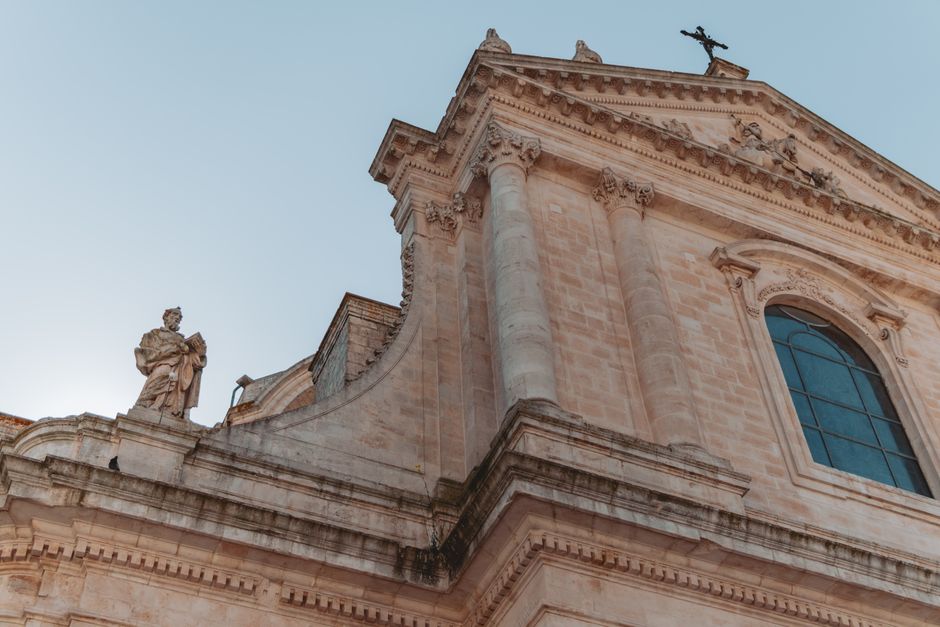
Explore the historic heart of Ragusa Ibla, where you can wander through a striking landscape of narrow streets, steep winding steps, and old churches. You can admire the Duomo di San Giorgio, a jewel of baroque architecture at the center of the district, or visit the Portale di San Giorgio to see its weathered Gothic-Catalan carvings. For a moment of calm, find your way to the Giardini Iblei, public gardens featuring both Italian and English styles with views over the valley of the Irminio. History enthusiasts can explore the Scavi archeologici Ibla for Hellenistic-Greek and Roman ruins, or visit various historic sites such as the Chiesa di Santa Maria dell'Itria in the old Jewish quarter and the 13th-century Chiesa di Santa Maria delle Scale.
In Ragusa Superiore, you can experience the grandeur of the Duomo San Giovanni with its splendid organ and cross the arched Ponte dei Cappuccini. The Museo Archeologico Ibleo offers a deep dive into prehistory and antiquity across several sections. You may also choose to visit various palazzos, such as Palazzo Bertini or the Palazzo dell'Aquila. If you prefer an active experience, you can join guided tours to explore private spaces like the Circolo di conversazione or the theatre of Donnafugata. Depending on the season, you might encounter local cultural highlights such as piano concerts in churches, organ festivals, or various religious processions and celebrations.
Three days in Ragusa
Day one, you begin your journey in Ragusa. Explore the historic atmosphere of Ragusa Superiore and wander through the streets of Ibla to experience the local character of this Sicilian destination.
Day two, you can visit the Piazza Repubblica or stroll along Via Roma. These areas offer a sense of history as you navigate the heart of the city.
Day three, you can spend your final day exploring more of Ragusa Superiore before preparing for your departure from Sicily.