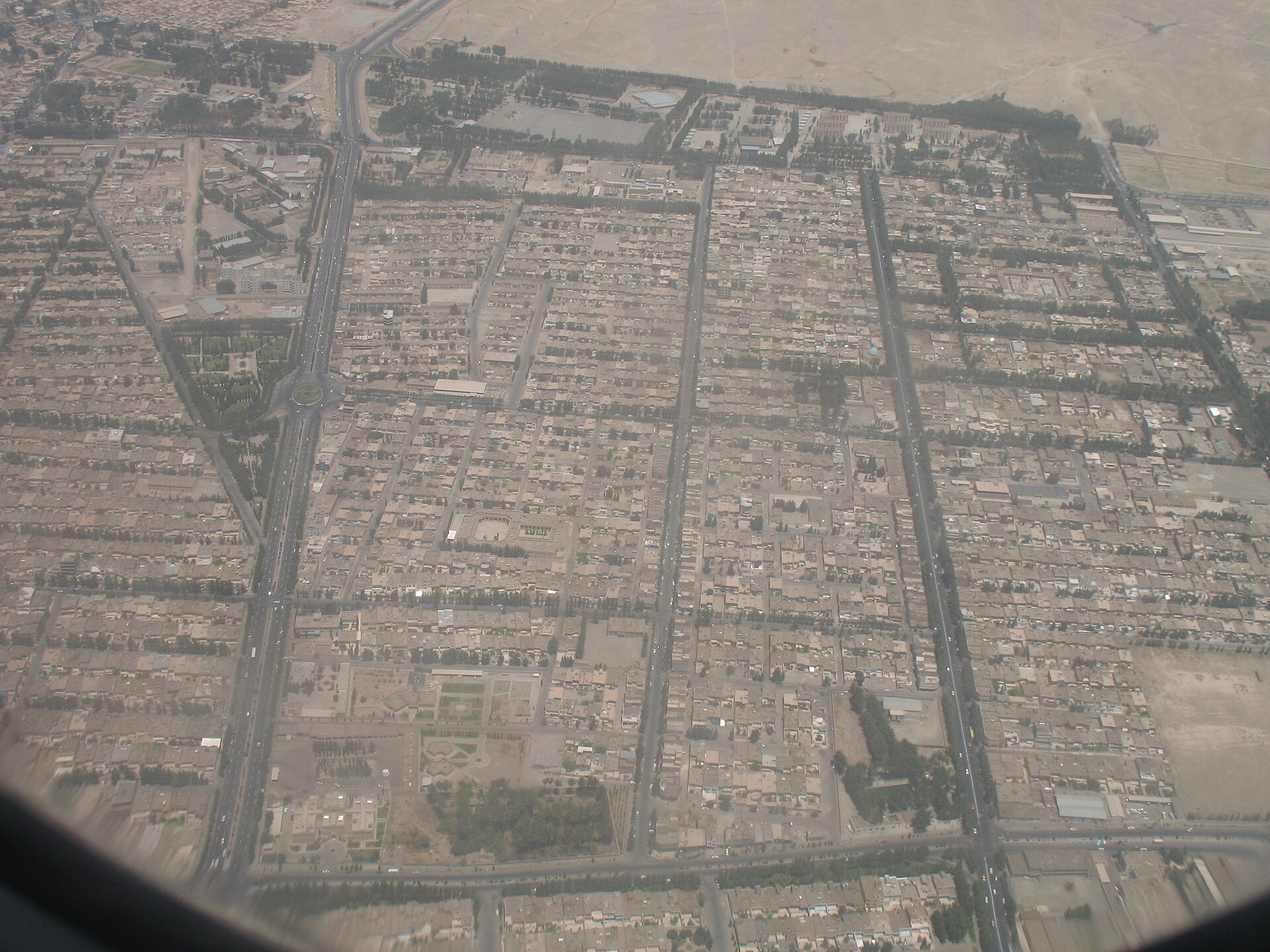
Birjand
Introduction
Birjand is the capital of South Khorasan province in Iran, and also serves as the seat of its county and district. It is a city whose reputation rests on what it produces and sends out into the world: saffron, barberry, jujube, and handmade carpets.
Those exports are the surest way to understand the place before you arrive. Saffron and barberry shape the local agriculture and the markets, jujube is another of the region's signature crops, and the handmade carpets reflect a long weaving tradition. Plan your time around these threads and you will be engaging with what Birjand is known for.
Before you go
Birjand sits in the east of Iran, in a region known for its distinctive architecture, its saffron, and its barberry. The city is also a base for exploring the surrounding desert, so plan your trip around the climate: summers are hot and dry, while winters can be bitterly cold, particularly at night. Dress modestly and respectfully, as you would anywhere in the country, and keep in mind that the local dialect and customs reflect the city's position on a historic crossroads between Iran, Afghanistan and the Indian subcontinent.
Getting there
Birjand International Airport (XBJ) receives connections from Tehran and Baghdad, making it the point of arrival for travellers flying in from either city.
Getting around
Birjand has no metro, tram or urban rail network, so plan on road-based transport — buses, taxis and walking — for all local journeys. The city's compact core and relatively calm traffic make it a manageable place to explore on foot, and walking is a reasonable way to cover short distances between nearby destinations. Base yourself centrally if you plan to walk, since many errands and sights are within reach on foot.
- Bus: Buses are the principal form of public transport for local travel. The network is modest in scale rather than a dense, high-frequency grid, and services are geared toward residents' daily routines, so frequencies and hours are more limited than in Iran's largest cities — plan around daylight hours where possible. Fares are typically low and paid per journey, either on board or with a local rechargeable card, so keep small change handy.
- Taxi: Taxis are the most flexible way to get around and the simplest option for reaching a specific address, the university campuses or the hospital area. Flag one on the street or pick one up at a stand; shared taxis follow common routes and private taxis take you door to door. Agree on the fare or confirm the meter before setting off, especially for longer trips across town.
- Ride-hailing: Apps used elsewhere in Iran generally work in provincial capitals, but coverage in a smaller city like Birjand can be thinner than in Tehran, so have a taxi as a backup.
- Airport transfer: Birjand International Airport sits in the north of the city, so the ride into the centre is brief rather than a long intercity haul. Take a taxi for the most direct and convenient transfer. Arrange your return to the airport in advance or ask your hotel to call a taxi, since the airport is small and on-demand options may be limited at quiet times.
Timing matters when you are on foot: the climate is cool and arid with hot summers and cool winters, plus a significant difference between day and night temperatures. In summer, walk in the early morning or evening to avoid the heat of the day. Winters are cool, and precipitation falls mostly in winter and spring, so carry a layer and be prepared for wet weather in those seasons. Because day–night temperature swings are large, a light jacket is useful even when the daytime is warm. Use taxis for anything time-sensitive, and buses when you are not in a hurry and want to save money.
Where to stay
For accommodation in Birjand, you have a couple of options. Sepehr Hotel sits on Jomhuri and offers a restaurant and pool on site, though you may find the wifi unreliable. Alternatively, Mountain Hotel is located in the Zolfaghari Brothers Tourist Village by Amir Shah Dam, south of the city. Built against a mountainside, it resembles a major fortification and is hard to miss. It has a pool, gardens, a restaurant and billiards.Food & drink
For a sit-down meal, head to Shamso Alemare Traditional Restaurant, where you can try some Iranian standards while looking out on an inner courtyard. It's a traditional restaurant, so expect the familiar repertoire of Iranian dishes rather than anything novel. The source lists no dedicated drinking establishments for Birjand, so plan your refreshments around your meals.What to see and do
For a sense of Birjand's history, start with the Furg Citadel in Furg Village, a citadel dating from the 12th century. In the city itself, the Birjand Castle sits on the northwest side, with ramparts and turrets of clay and brick; you can look down over the town from the top and have a meal at the restaurant there. It dates from the Safavid era, when the inhabitants were fighting off the Turks and Uzbeks. The Kolah Farangi Citadel is a Qajar-dynasty palace with ziggurat features, though it now serves as government buildings for South Khorasan, so there is not much scope for looking around. For a quieter stop, visit the Akbariyeh Garden & Museum on Moallem Street, behind the Library of Imam Reza. It is a UNESCO heritage site, with rows of pine trees and sunken terraces.When to go
Birjand has a cool arid climate, so plan around hot summers, cool winters, and a wide swing between daytime and nighttime temperatures that persists all year. Rain is scarce overall and falls mainly in winter and spring.
- Winter: Cool conditions prevail and much of the year's precipitation arrives now. Days can feel mild while nights turn cold, so pack layers for the sharp day-to-night difference.
- Spring: One of the two wetter parts of the year, with precipitation continuing from winter. Conditions are milder than in summer, and the wide daily temperature swing remains a feature.
- Summer: Hot to sweltering and the driest stretch of the year. The gap between daytime heat and cooler nights stays pronounced, so light clothing for the day and something warmer for the evening both earn their place.
Three days in Birjand
Day one: Base yourself in Birjand, the capital of South Khorasan in eastern Iran. Take a taxi from Birjand International Airport (XBJ), or arrange a ride through apps, and agree the fare before you set off. Buses also serve the city, with fares kept low. Once settled, use the day to get your bearings along Jomhuri and around the Sepehr Hotel, a handy orientation point. Dress modestly, as you would anywhere in Iran.
Day two: Plan a day around the water and the greenery. Head for Amir Shah Dam, a reservoir that draws locals in the warmer months. In winters it can be bitterly cold here, so time your visit accordingly. Alternatively, spend the afternoon at Zolfaghari Brothers Tourist Village, where you can slow down and take in the setting. Saffron is the region's signature crop, so look for it in the bazaars and in the food you eat.
Day three: Move between the city's edges and its quieter corners. The Mountain Hotel gives you a sense of Birjand's higher ground, while the centre keeps you close to Jomhuri and the Sepehr Hotel. If you are weighing onward travel, flights link Birjand with Tehran and Baghdad, and buses remain the cheaper option. Those with more time can look toward Afghanistan, just across the border, though the practical route runs through the city itself.