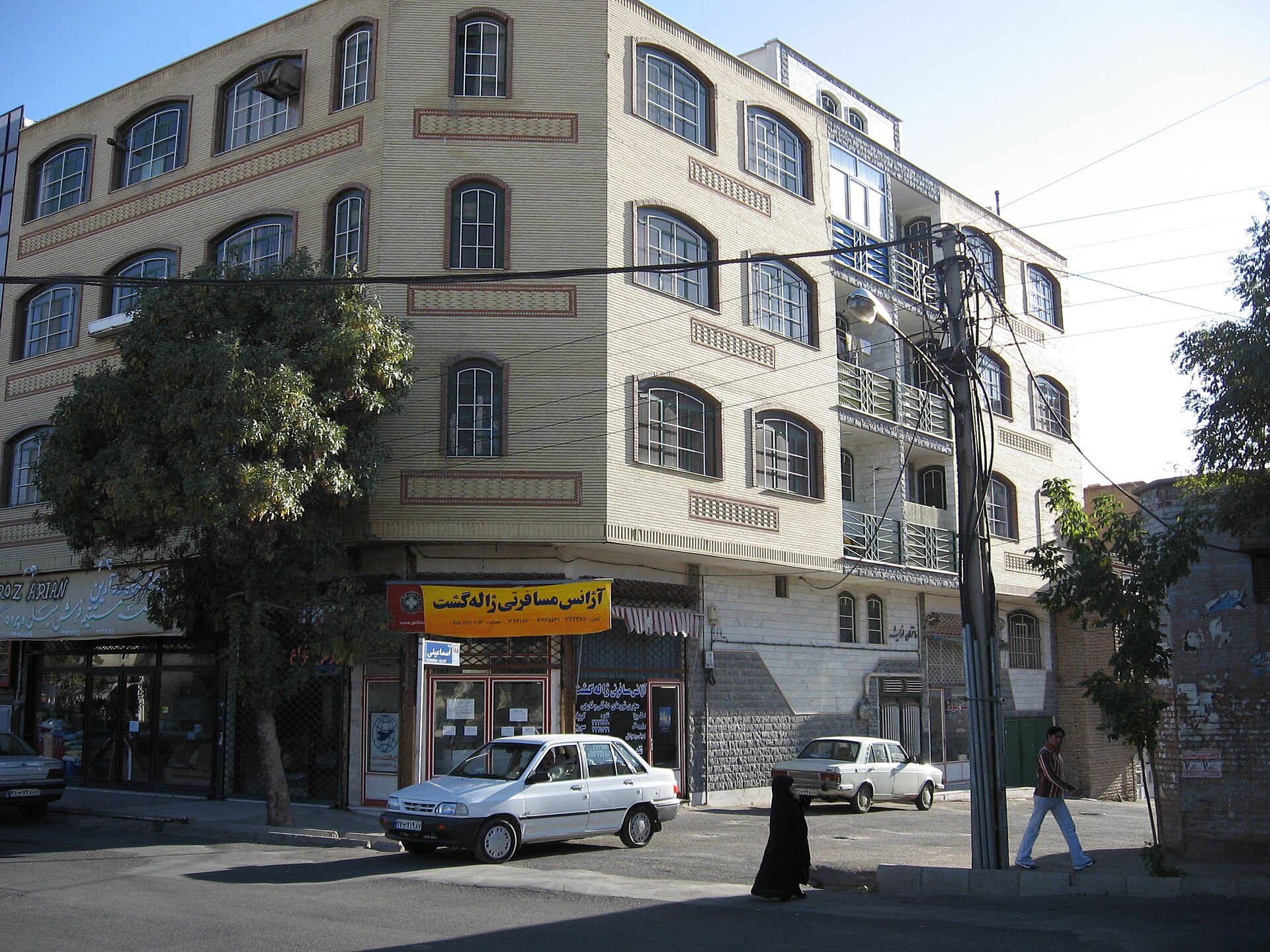
Zanjan
Introduction
Zanjan is the capital of both Zanjan province and Zanjan County, and it also serves as the seat of the Central District within that county. The city sits in northwestern Iran and functions as the administrative hub for the surrounding region.
If you are deciding where to base yourself in Iran, Zanjan offers an unusual distinction: a detailed survey conducted by Isna found that the city's residents report the highest level of happiness among the people of thirty other provinces across the country. That reputation for contentment is part of what gives the city its character for visitors passing through.
Before you go
Zanjan is primarily an Azerbaijani-speaking city, so the everyday language you will hear around you is Azeri, a Turkic dialect. Many residents, particularly among the younger generation, can also communicate in Farsi and, to some level, in English, which makes getting by as a visitor easier than the dominant language might suggest.
Getting there
Zanjan sits on the main rail corridor between Tehran and Tabriz, so the train is the straightforward way in: multiple daily services run from Tehran toward Tabriz and stop here. Two trains a week also arrive from Van in Turkey, with connections onward from Ankara for those coming from further west. The railway station (ایستگاه راه آهن بین المللی زنجان) is by the river on the southern edge of the city centre, within easy reach of the middle of town.
If you are arriving by air, Zanjan Airport (JWN) handles flights from Mashhad.
Getting around
Zanjan is a road-and-rail city, and that shapes how you move around it. The practical anchors are Zanjan Airport (JWN), Zanjan railway station, the bus terminal south of the city, and ride-hailing apps or hotel-arranged taxis for the first and last kilometres of any trip. The railway station sits by the river on the southern edge of the city centre, convenient for central hotels. The bus terminal is a distinctive four-floor circular building south of the city, handling routes that rail does not cover well, including Tehran, Tabriz, Qazvin, Rasht and the Caspian-side roads, plus Hamedan and Kurdistan-facing services when available. Confirm the operator, the terminal and the departure time, since the ticket is the final word on your instructions, and arrive early around Nowruz and on weekends.
For day-to-day movement, taxis and apps do most of the work. Snapp and Tapsi are the main ride-hailing apps in Iran, and Tapsi also offers a phone-request service on 1630; availability in smaller cities varies, so treat the apps as useful fare anchors rather than a guarantee. Hotel-arranged taxis are the better choice for late or early trips, for outings to Soltaniyeh or Katale Khor, for rural stops, for unclear addresses, and when you need a larger car. Confirm whether a quoted price is in rial or toman before you set off, and for a hired driver agree in advance on fuel, tolls, waiting time, the return leg and any extra stops. For Soltaniyeh Dome, agree the return ride and waiting time before departure, since drop-off taxis may not wait for you; Katale Khor Cave is a longer rural outing best treated as a driver day or an arranged tour, with water and snacks packed. Local city buses exist but are only really usable if you have confirmed the route, know the direction and the stop, have the correct payment method, and are travelling in daylight in comfortable weather. Walking works well in the city centre, the bazaar and short sightseeing zones, but it is not a practical way to cover the whole city, and it is not suitable if you are carrying luggage or staying at an edge-of-city hotel.
Where to stay
Zanjan offers a modest but functional range of accommodation, with most options clustered in the city centre and along the main routes into town. You'll find a handful of hotels serving business travellers and domestic tourists, alongside simpler guesthouse-style lodgings.
In practice, you should expect to choose between a small number of mid-range hotels in the central districts and more basic rooms on the outskirts. Booking ahead is advisable if your visit coincides with local holidays or peak travel periods.
Food & drink
In Zanjan you can try local dishes such as chaqur-Baqur, aush, and haleem, and finish with shirini, the sweets the city is known for. For a sit-down meal, look to Sadaf restaurant (1st branch) or Etminan restaurant, while chaqur-baqur is served in the Grand Bazar if you want to eat it where it is traditionally made. Sweets and cold treats are easy to find: Fard confectionery and Yashar confectionery cover shirini, and Jalil Khani ice-cream is the spot for a frozen dessert. If you want something quick, Garage fast food is an option.What to see and do
For a view over the city, head to the Qavazang complex, a hiking area known for its sunsets. In town, the Jāmeh Mosque of Zanjān, the Caravanserai Sangi and the Rakhtshurkhaneh are the historic sights to seek out; the last of these, an early 20th-century wash-house built by the brothers Mashad Akbar and Mashadi Esmail, now serves as Zanjan's Museum of Anthropology and preserves the memory of the women who once did the city's laundry there. Soltaniyeh, roughly 40 km southeast of Zanjan, is the standout excursion: its dome and the mausoleum of the 14th-century Il-khan Öljeitü form a UNESCO World Heritage Site, and the dome is among the largest brick domes in the world. If you would rather be active, Zanjan has one of the best indoor sport climbing walls in the Middle East, at the Enghelab sports complex, and the Katale (Catale) Khor cave lies within reach of the city. The landscape outside Zanjan is beautiful in its own right, so allow time simply to travel through it.Three days in Zanjan
Day one: Base yourself in Zanjan city and get your bearings in the Central District, where the bazaar and old streets give you a feel for the Azerbaijani character of the place. Many locals speak Azeri or Turkic as well as Farsi, and English is less common, so a few words of Farsi go a long way. Confirm your plans for the days ahead, and use Snapp or Tapsi to move around town rather than relying on walking everywhere.
Day two: Head out to Soltaniyeh and the Soltaniyeh Dome, the standout sight in Zanjan County. Give it proper time rather than rushing through, then return to the city for the evening. If you are visiting around Nowruz, expect things to be busier and confirm arrangements in advance.
Day three: Make the trip to Katale Khor Cave, the other major draw in the area. Local advice helps here, so ask before you set out. Zanjan sits between Tehran and Tabriz, with Qazvin, Rasht and the Caspian side to the east, and Hamedan and Kurdistan to the south, so you can continue onward by road, or fly out from Zanjan Airport (JWN) if you would rather not backtrack.