Shushtar
Introduction
Shoushtar is a city in the Central District of Shoushtar County, in Khuzestan province, Iran. It serves as the capital of both the county and the district, which makes it the administrative centre for the surrounding area.
Getting there
An overnight train from Tehran runs every second day, arriving at Shushtar railway station west of the city centre. If you are already in the region, you can also reach Shushtar by taxi from Ahvaz, combining it with Shush and Chogha Zanbil as a day trip.
Getting around
Shushtar is compact and its historic core is built around the Karun River and the Shushtar Historical Hydraulic System, so several key sights sit within walking distance of one another. Walking is one of the best ways to experience the city: the hydraulic system is the signature sight, and the Mostoufi House, a Qajar-era courtyard house overlooking the historic bridge on the Karun, is within walking distance of Salasel Castle, making a natural walking route. Because the city's history as an island city on the Karun left bridges and gates to the east, west and south, the river and its crossings shape how you move around, so expect to orient yourself by the water. Comfortable shoes are worthwhile, and the summer heat in Khuzestan makes early morning or evening walks more pleasant.
Public transport within Shushtar is limited. Buses exist as a local option, but the city is small enough that many trips are easier on foot or by taxi, so treat buses as a fallback rather than the primary way between sights, and ask at your hotel about current routes and how to pay. Taxis are the most practical way to get around and to reach places beyond the walkable core, including the railway station west of the city centre. There is no metro or tram network. The rail option most relevant to visitors is an overnight train from Tehran that departs every second day, so check the current timetable in advance and arrange onward transport from the station into the centre. Taxis are also the standard way to link Shushtar with Shush and Chogha Zanbil as a day trip from Ahvaz, the provincial centre and the region's practical gateway; for longer excursions, agree on a price and itinerary with the driver beforehand. Ride-hailing apps are not documented for Shushtar, so plan on traditional taxis.
Where to stay
Your only listed option is the Shushtar Traditional Hotel, also known as the Sarabi Hotel: a small hotel set inside a traditional house around two centuries old. Staying in a historic house of this kind puts you in the older fabric of the city rather than in a modern block, so expect the character of an old residence rather than purpose-built tourist accommodation.
Food & drink
For a sit-down meal, head to Mostoufi House, which serves Iranian dishes in a Qajar-era courtyard house overlooking the historic bridge on the Karoun River. It's within walking distance of Salasel Castle, making it an easy stop to combine with sightseeing in that part of town. The house also sells Iranian handicrafts such as pottery and tarmeh, so you can browse local work alongside your meal.
What to see and do
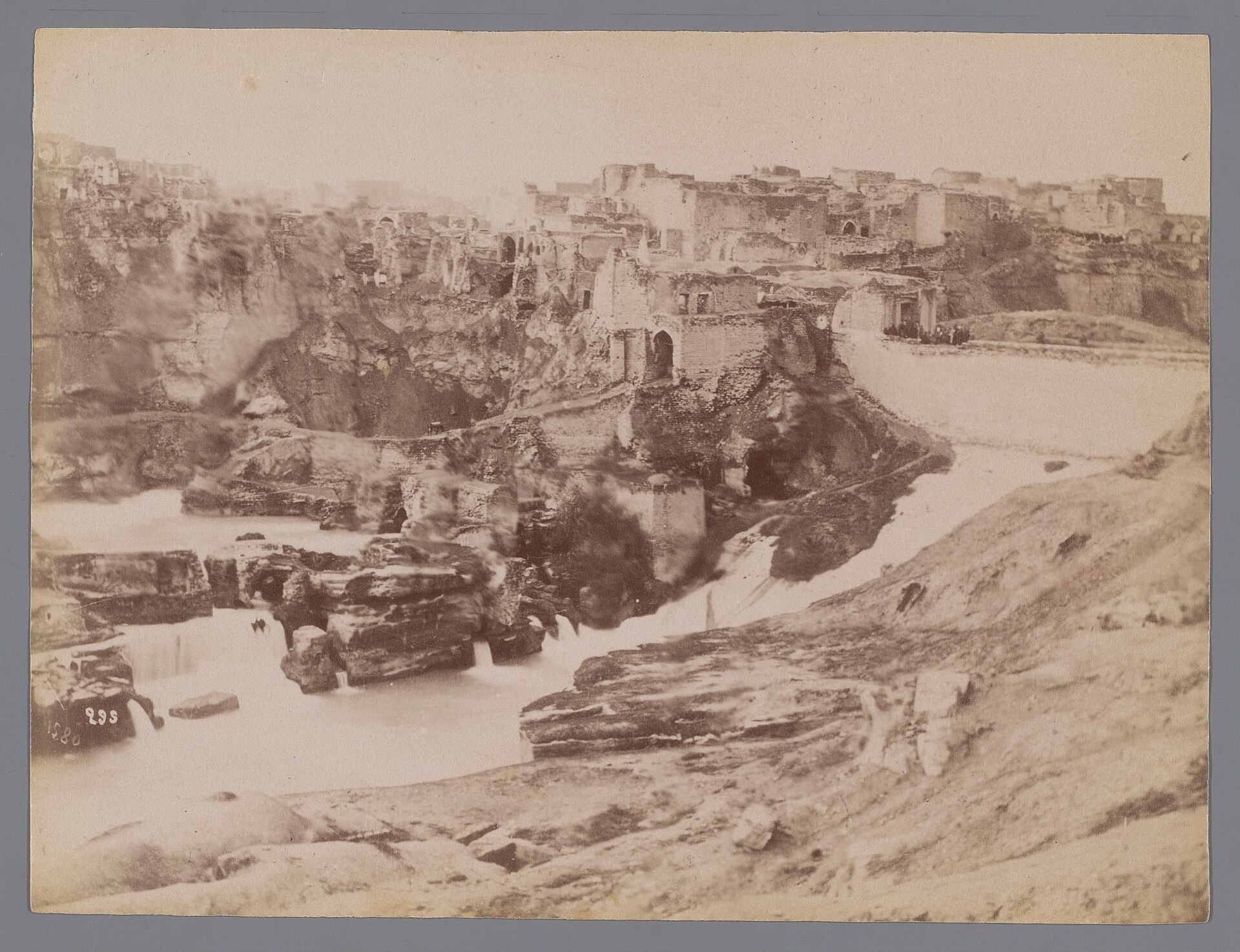
Shushtar's main draw is its ancient water system on the Kârun river, which earned UNESCO World Heritage status. The Historical Hydraulic System dates back to the 5th century B.C. under King Darius, and you can pair a look at it with the Band Mizan, the dam that splits the Kârun into two channels, the Gargar and the Shatit. The Band-e Kaisar, an ancient arc bridge built by the Romans in the 3rd century AD, is another stop worth seeking out.
Salasel Castle, also part of the UNESCO listing, is now almost completely in ruins, but its tunnels and cellars remain open to explore. On the water itself, you can go swimming, boating or kayaking.
When to go
Shushtar has a hot semi-arid climate, so timing your visit depends largely on how you handle heat and rain. The rainy season runs from November to April, and almost all of the region's rainfall falls during this stretch, so expect wet spells to shape your outdoor plans. This period overlaps the mild winter months, when daytime conditions are comfortable but nights can occasionally bring frost. There is no snow.
The dry hot season is essentially rain-free, and the core summer months bring extremely hot conditions. If you travel then, plan around the heat and expect dry, dusty surroundings. For the most comfortable balance, aim for the mild winter window within the rainy stretch, and keep some flexibility in your itinerary for wet days.
Three days in Shushtar
Day one: Start in Shushtar itself, in Khuzestan, and get your bearings on foot. Walking is the best way to take in the Shushtar Historical Hydraulic System, a UNESCO World Heritage site linked to King Darius, and the Karun River that runs through the city. Look in on the Mostoufi House, a Qajar-era building, and Salasel Castle. In the evening, settle into a traditional hotel or the Sarabi Hotel and eat Iranian food.
- Shushtar Historical Hydraulic System
- Mostoufi House
- Salasel Castle
- Karun River
Day two: Use Shushtar as your base for the wider county. Buses and taxis are public options, or you can ride out to nearby sites; comfortable shoes help. Head for Chogha Zanbil, and consider Shush and Ahvaz if you have time. Return to Shushtar for the night.
- Chogha Zanbil
- Shush
- Ahvaz
Day three: Spend a slower day around the water. Walk along the Karun River and look at Band Mizan, then revisit the hydraulic system at your own pace. If you are staying on, the Central District of Shushtar County makes an easy base, and Tehran is a long journey away, so plan your onward travel.
- Band Mizan
- Karun River
- Central District