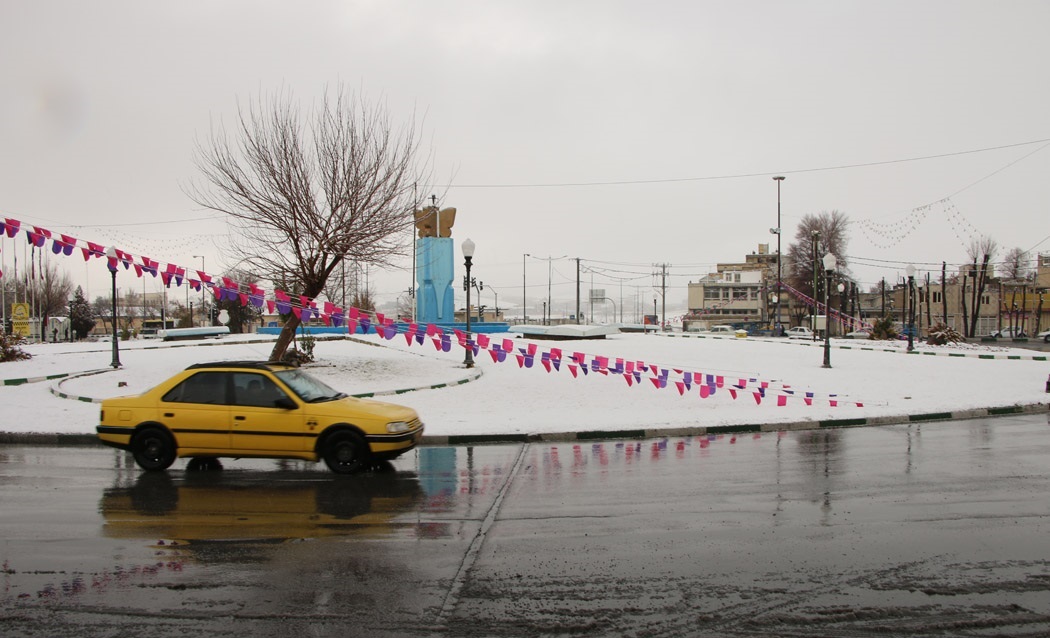
Shahr-e Kord
Introduction
Shahr-e Kord is the capital of Chaharmahal and Bakhtiari province in Iran, and also serves as the seat of both its county and its central district. It is the largest city in the province, and it sits about 90 km from Isfahan, one of the country's major urban centres.
Getting around
Shahr-e Kord has no metro, tram or intracity rail, so you get around by bus, taxi or on foot. The Shahr-e Kord Bus Organization runs the city's bus fleet across its routes, and this is your main public-transport option in town. Fares are low by international standards, though buses can be unreliable in heavy traffic. Taxis are the other main way to move around and are relatively cheap; shared taxis usually carry four passengers, many use taximeters, and route-based taxis charge according to an official tariff, while hiring a taxi exclusively costs more. App-based ride-hailing is well established in Iran, with Snapp and Tapsi the largest providers, and TBT (Bisim) taxis can be summoned by phone and are usually cheaper than app taxis, though less common where app taxis operate.
Central Shahr-e Kord is compact and easy to cover on foot, and walking costs nothing. Keep the altitude in mind: at over 2,000 metres you may notice the elevation, especially on your first day or two, and the climate shapes how pleasant walking is, with hot summer days, cool summer nights, cold winter days and freezing winter nights. Cycling is not a practical option, since there is little cycling infrastructure in the country. If you arrive at Shahrekord Airport south of the city, the onward journey into town is short, and your options are the same ones that serve the rest of the city: taxis, including app-based ride-hailing and TBT taxis, and, depending on your route, the local bus network.
When to go
Shahr-e Kord has a continental Mediterranean climate, so the seasons shape your visit sharply. Summers bring hot days but cool nights, with July the hottest month and the year's record high falling in mid-July. Winters are cold by day and freezing at night, with moderate to high humidity; January is the coldest month and extreme cold is possible.
- Spring is when the year's rain arrives: April and May are the exception to the otherwise dry planting seasons and bring the main rainfall, so pack for wet weather if you travel then.
- Summer suits you if you prefer hot days offset by cool evenings.
- Winter demands serious cold-weather clothing, especially at night, when temperatures can plunge.
Three days in Shahr-e Kord
Day one: Start in central Shahr-e Kord, the heart of Chaharmahal and Bakhtiari province, and get your bearings on foot before the day warms up. Summers here are Mediterranean in feel, while winters turn bitterly cold, so plan your walking for spring or the milder weeks of summer. For longer hops across central Shahr-e Kord, taxis and ride-hailing apps such as Snapp and Tapsi are the easy way to get around, and the Shahr-e Kord Bus Organization covers many routes if you prefer to ride with locals.
Day two: Give the day to the countryside around Shahr-e Kord, where the Bakhtiari landscapes and mountain air are the main draw. Spring, especially April and May, is the most comfortable time to be out and about; July can be warm and dry, and January is bitterly cold. Keep some cash for fares and small purchases, and note that TBT and Bisim are among the local transport options if you are moving between towns in the province.
Day three: Slow down and take in everyday life in Shahr-e Kord, browsing the bazaar and central streets rather than rushing between sights. Cycling is a pleasant way to cover short distances in the milder months, and taxis or the app-based services fill in the gaps. If you are heading onward to Isfahan or flying out, Shahrekord Airport serves the city, and the bus organization connects Shahr-e Kord with other parts of Iran.