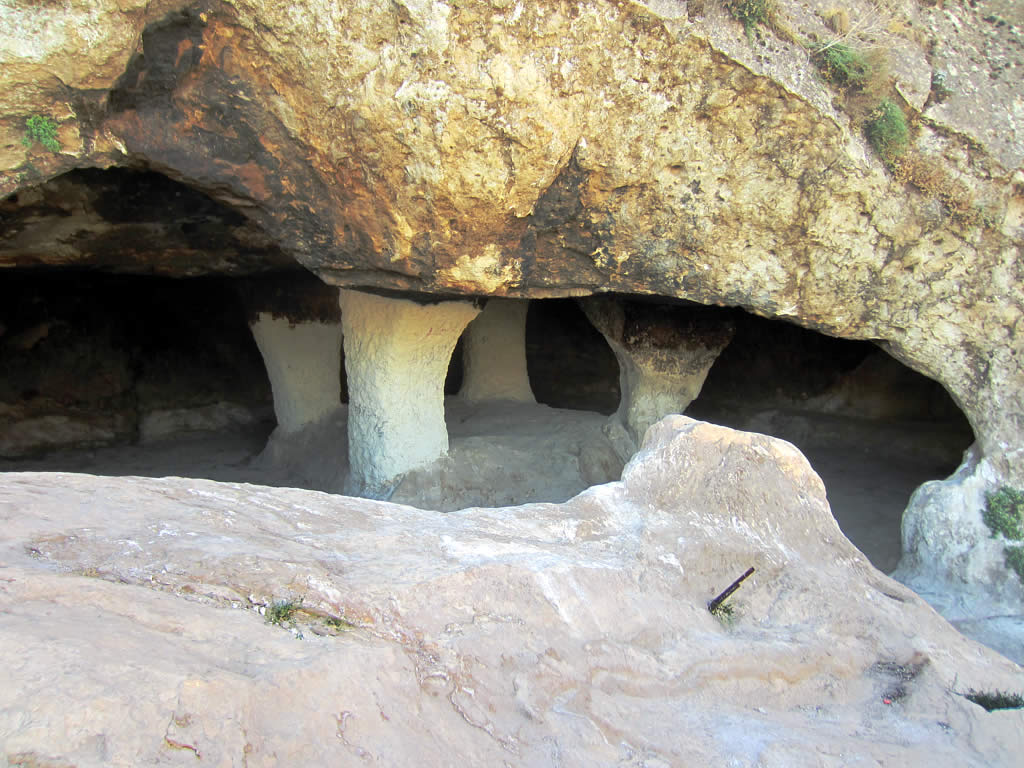
Dihok
Introduction
Duhok is a city in the Kurdistan Region of Iraq, and it serves as the capital of Duhok Governorate. If your travels through Iraq take you into the Kurdistan Region, Duhok is one of the main urban centres you may pass through or use as a base.
Getting around
Duhok has no rail, metro or tram network, and none exists anywhere else in the Kurdistan Region, so plan on road-based transport only: taxis, buses, minibuses and shared taxis. Public transport information is scarce — there are no fixed timetables and almost nothing published online — so you will be asking around locally, at your accommodation or at the station, to find out what is running and when. English is not widely spoken; most people speak Sorani Kurdish, so a translation app on your phone is genuinely useful.
Taxis are the most straightforward way to get around the city and between nearby towns, with fares typically negotiated or agreed before you set off, so it helps to have a rough idea of the going rate and small dinar notes to hand. City buses are cheaper than taxis but untimetabled, so treat them as a way to save money rather than time. For intercity travel, minibuses and shared taxis link the main cities of the region; shared taxis can be faster and more comfortable at a higher price per seat. Note that the "garaj" (bus station) in Kurdish cities is generally located far from the city centre, so you will usually need a local bus or a taxi to reach it. If you are travelling on an Iraqi Kurdistan-only visa, confirm with the driver that the route does not cut through Federal Iraq before you board; army checkpoints sit between cities, where soldiers check passports, generally quickly and courteously.
Walking works well in the compact older centre, where sights such as the Duhok Gallery and the city's festivals — Newroz gatherings, the Akitu procession starting in front of the Virgin Mary Church, and the provincial festival around Nowruz Square — cluster in walkable public spaces. For anything beyond the centre, expect to take a taxi or a bus, as the city spreads out and the intercity bus station in particular is well away from the middle of town.
When to go
Duhok has a hot-summer Mediterranean climate, which splits the year into a sweltering, virtually rainless summer and a cool to cold, wet winter. Rain is heaviest in late winter and early spring, and the city sees around two or three snowy days in a typical year, with snow more severe in the surrounding uplands. If you visit in winter, expect cold, damp conditions and pack for wet weather.
- Winter: The coldest, wettest stretch of the year, with rain heaviest in late winter. Bring wet-weather gear, and expect snow in the uplands around the city.
- Spring: Precipitation remains heavy into early spring before easing, so it is still a wet period to visit. Conditions are milder than the depths of winter, though the uplands can still see snow early on; rain gear is worth carrying.
- Summer: Sweltering and virtually rainless, so heat is the main thing you meet. Rain does not return until late autumn, meaning this whole stretch stays dry. Plan around the heat if you are outdoors.
- Autumn: The dry summer breaks when rain returns in late autumn, marking the start of the cooler, wetter half of the year. Expect the first wet weather after months of dryness.
Three days in Dihok
Day one: Start in Duhok, the city at the centre of Duhok Governorate in the Kurdistan Region of Iraq. Get your bearings on foot, since walking is a good way to take in the character of the city, and use taxis for the longer hops across town. Begin around Nowruz Square, a natural first stop, then visit the Virgin Mary Church. If you want an indoor pause, the Duhok Gallery is the place to head. Note that Kurdish is the language you will hear around you, in both Sorani Kurdish and the other Kurdish forms spoken locally, though English is widely understood in public settings.
Day two: Give the day to the city's calendar and its festivals. Newroz and Akitu both belong to Duhok's year, so time your visit around one of them if you can, and let the celebrations shape your route rather than the other way round. Between events, return to the streets around Nowruz Square and the gallery quarter, and keep the pace slow. Conditions matter here: summer is sweltering, so plan heavy walking for the cooler hours, while winter brings rain and precipitation, so bring a layer and something waterproof.
Day three: Use your last day to understand where you are. Duhok sits in the Kurdistan Region, part of Iraqi Kurdistan, and the wider country beyond it is usually referred to as Federal Iraq; the distinction is worth keeping clear as you talk to people and read around the place. Spring and autumn are the gentlest seasons for wandering, with a Mediterranean pattern of wet winters and dry summers. Expect warm, dry days for most of the year and plan accordingly, then finish with a final walk through the city before you leave.