Umm Qasr
Introduction
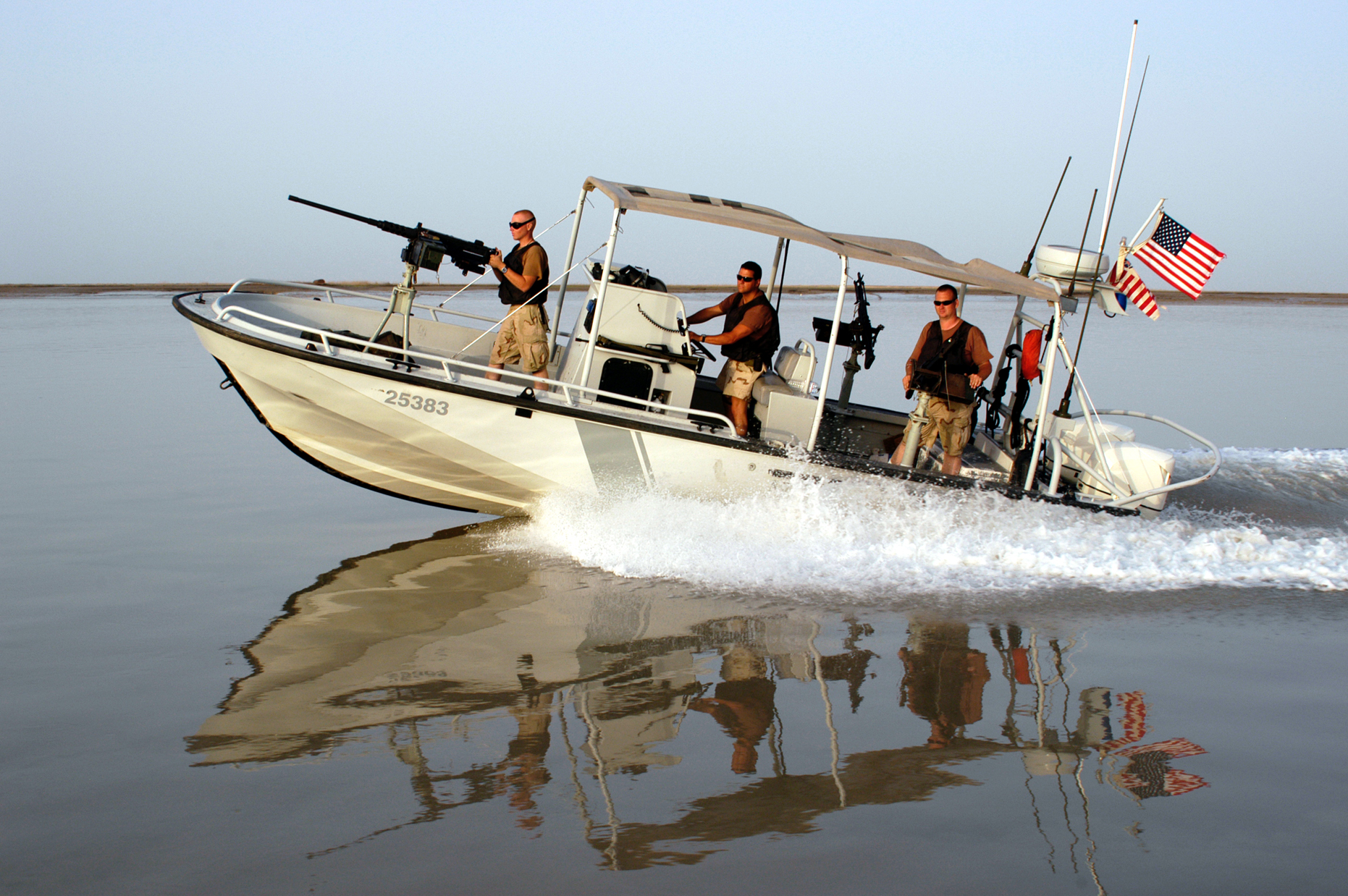
Umm Qasr is a port city in southern Iraq, standing on the canalised Khawr az-Zubayr, part of the Khawr Abd Allah estuary that leads to the Persian Gulf. A small inlet separates it from the border of Kuwait.
Before the 1991 Persian Gulf War, a bridge across the waterway linked the port with Kuwait. The source gives no detail on what you can see or do in the city itself, so treat this as a starting point rather than a full picture.
Before you go
Umm Qasr sits on the canalised Khawr az-Zubayr, part of the Khawr Abd Allah estuary that opens into the Persian Gulf, and only a small inlet separates it from the border with Kuwait. Check the warning on the Iraq article for information on the security situation before you make any plans, and let that guidance shape your decision about whether to travel at all.
Getting there
Umm Qasr is reached by sea: the town is served by Umm Qasr Seaport, so arrivals by water are the practical way in. Plan your onward transport from the port itself, since the source gives no other approach.
Getting around
Umm Qasr is a compact, planned port town, so getting around is mostly a matter of short trips rather than long journeys. The town is grouped into a few main neighbourhoods — North Indian Camp (Hindi Court) in the north, South Indian Camp to the west, and the Port/Customs Office area with its housing and offices — and much of everyday life sits within walking distance of where people live and work. Walking is a sensible way to cover short distances within a neighbourhood, but the desert climate is hot, with limited winter rainfall, so plan around the heat. For the port or anywhere beyond your immediate area, you'll need road transport.
- Rail: A branch of the Iraqi Republic Railways links Umm Qasr to Basra, running from Shouaiba Junction near Basra via the port of Khawr az-Zubayr. It's a conventional freight and regional line, not a local metro or tram, and there's no in-town rail service — treat it as a regional option and confirm locally before relying on it.
- Buses: There's no documented city bus network or transit pass. Intercity road transport toward Basra and Al-Zubair is the realistic public-transport option, with residents regularly heading to Basra for services the town lacks, notably higher education. Arrange and confirm any bus or shared transport locally rather than assuming a published schedule.
- Taxis and ride-hailing: No taxi fleet, ride-hailing app, or formal car service is documented. Short point-to-point trips are the norm given the town's size, with the port and customs area a key destination alongside the residential neighbourhoods. Arrange rides on the ground and agree your destination and fare in advance, especially for the port or trips toward Basra.
- Airport: Umm Qasr has a civil aviation airport (ICAO code ORUQ), but no terminal facilities, shuttle, or fixed airport-to-city procedure is described. Organise your own transfer — a taxi or pre-arranged pickup — and confirm locally what transport is operating on the day you arrive.
Where to stay
The source material for Umm Qasr contains no accommodation information, so there is nothing to say about where to stay.Food & drink
For eating out, the Tourist Port Restaurant is the option the source notes for Umm Qasr, and it is the only place named here. Beyond that, the source gives no detail on cuisine, local dishes, or drinking establishments, so you will find nothing further to plan around from this material.
What to see and do
Umm Qasr is a port town, and its sightseeing is modest: the source material lists no specific monuments, museums or historic sites to visit. Plan your time around the town itself and the working harbour atmosphere rather than a checklist of attractions.
For organised recreation, the Umm Qasr Sports Club is the one named venue in the source, and it is the obvious place to head if you want to watch or take part in sport during your stay.
When to go
Umm Qasr has a hot desert climate, so the timing of your visit makes a real difference. Winter is the wetter stretch of the year, when most of the modest annual rainfall arrives. Expect occasional rain rather than a soaking season, along with milder conditions than at any other time of year — the most comfortable window for exploring the city and its surroundings.
Summer is the driest part of the year, with very little rainfall, and the desert climate makes this the harshest stretch for a visit. If you travel then, plan around the heat and expect dry conditions throughout.
Three days in Umm Qasr
Day one: Start in Umm Qasr itself, the port town on the Khawr Abd Allah where Iraq meets the Persian Gulf near the Kuwait border. The town's character is bound up with the water and the seaport, so begin by getting your bearings around the port area and the Customs Office, then walk through the neighbourhoods known as North Indian Camp, Hindi Court and South Indian Camp to see how the settlement spreads away from the docks. In the evening, eat at Tourist Port Restaurant.
- Umm Qasr Seaport and the Customs Office
- North Indian Camp, Hindi Court and South Indian Camp
- Tourist Port Restaurant
Day two: Turn to the transport that ties Umm Qasr to the rest of Iraq. Iraqi Republic Railways links the town toward Basra by way of Shouaiba Junction, and intercity buses also serve the route, so plan a day trip to Basra and back. Arrange taxis locally for short hops, and check schedules before you set out, since services are limited.
- Iraqi Republic Railways toward Basra via Shouaiba Junction
- Intercity buses
- Taxis for short trips
Day three: Head inland to Zubayr (also spelled Zubair), the nearby town that gives its name to the surrounding district, and use it as a base for seeing more of the area beyond the port. Note that there is no short airport option here, so organise your onward travel in advance. Before you leave, return to the Khawr for a last look at the water that defines the town.
- Zubayr (Zubair)
- The Khawr
- Onward travel arrangements