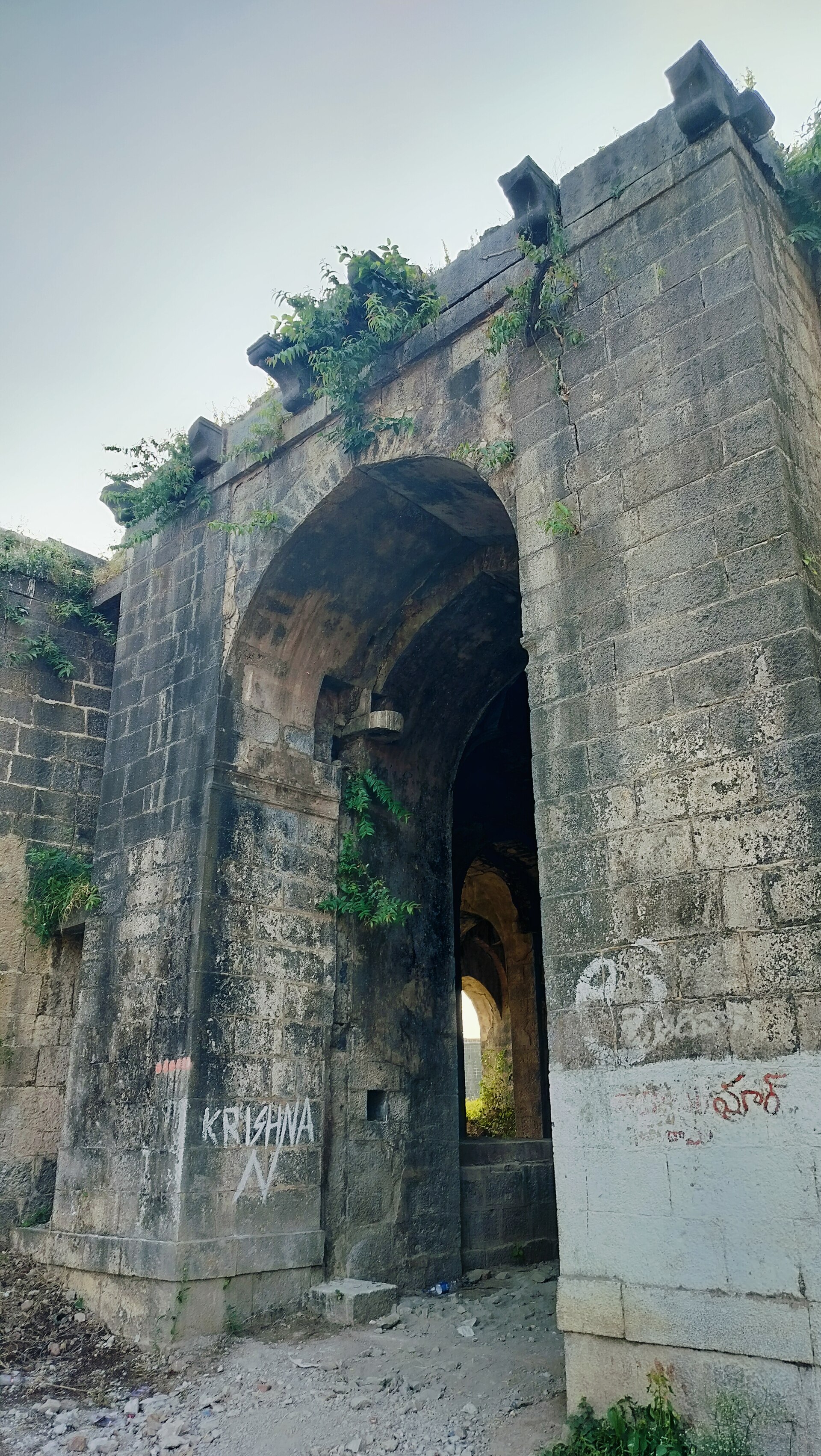
Adilabad
Introduction
Adilabad is a city and the district headquarters of Adilabad district in Telangana, northern India. Telugu and Urdu are the official languages, and you will also hear Marathi, Lambadi, and Gondi spoken by sections of the population. The city sits roughly 304 kilometres north of Hyderabad, the state capital, and is also within reach of Nizamabad and Nagpur.
Adilabad is known for its extensive cultivation of cotton, the region's major agricultural crop, and is often called the "White Gold City" for the economic importance of cotton production. Bela Town, about 30 kilometres away, is known for cotton cultivation, with many cotton ginning mills and textile industries established there; Bela cotton clothes are popular in Telangana and Maharashtra.
Before you go
Adilabad sits in Telangana, though its past is bound up with Maharashtra and then Andhra Pradesh before the state was formed, so expect a borderland character shaped by more than one regional tradition. The Godavari separates the district from its neighbours, and the surrounding land is mineral-rich, with coal, iron ore, limestone and clay all worked here. Cotton drives much of the local trade, which is why the town is known as the "City of Cotton".
The district is also home to tribal communities such as the Gond and Lambada, whose languages have no script of their own. If you want to understand that side of the area, the fort at Utnoor, roughly 55 km from Adilabad, was built by the Gond kings who once ruled here, and Utnoor also serves as the operational headquarters of the Integrated Tribal Development Authority. Plan your trip around the fact that this is a district capital with a working, trade-driven rhythm rather than a tourist town.
Getting there
Adilabad is served by the Alidabad train station, which you can reach on the overnight Krishna Express (17405). That service connects to many regional cities and ends in Thirupati; it arrives daily at 6:15AM and departs daily at 8:45PM. The city is also a stop on the Nandigram Express (11402), which runs from Nagpur to Mumbai and stops in Adilabad daily at 1PM.
If you prefer the bus, you have plenty of options: the city bus station is well served with lines to and from Hyderabad, Nagpur, Nizamabad and many other places.
Getting around
Adilabad is compact enough that walking works well in the central areas, where shops, landmarks and places to eat sit within easy reach of each other. Outside the core, distances grow and the heat of the day makes a short ride more comfortable, so pair walking with auto-rickshaw hops. Local buses are the cheapest way to get around the city itself, and the city bus station is the main public transport hub, with lines connecting Adilabad to surrounding towns and across the region. Auto-rickshaws and local taxis are the standard way to cover short distances quickly, especially with luggage or when heading to a specific address; agree on the fare before you set off, as is customary across India. App-based ride-hailing is not something to count on here, so plan on auto-rickshaws, local taxis, or transport arranged through your hotel. Telugu and Urdu are the official languages, Marathi is widely spoken and understood thanks to the proximity to Maharashtra, and Hindi is used as well, which makes asking for directions or buying tickets straightforward.
For day trips to places outside the city, such as Kuntala Waterfall or Kawal Tiger Reserve, hiring a car and driver for the day through your hotel or a local travel operator is the most practical approach, since public transport to these sites is limited. The same applies to Mavala Lake and its adjacent park south of the city, and to the district's waterfalls and forest areas: plan on motorised transport rather than walking. Adilabad has no metro or tram system, and no operational airport of its own, so arrivals by air mean flying into Nanded, Nagpur or Hyderabad and continuing overland by road or rail; the simplest approach is a taxi or bus from the airport to the relevant railway station or bus terminal, or a direct car transfer. Because these are long legs, allow a full day and confirm schedules in advance.
Where to stay
The source material for Adilabad contains no accommodation information, so there is nothing to say about where to stay.Food & drink
Adilabad's everyday food is built on rotis and rice: wheat roti and jawar roti are staples, served alongside rice. For something sweet, look for mahua laddu.
To drink, mahua (gulmohar) is used to make a local drink known as ippa kallu, and toddy is also available — the kawal toddy is considered the best of them.
What to see and do
Adilabad town itself has a number of mosques and temples, but the sights most worth your time lie in the surrounding villages. Because several of these places are small and have few places to stay, it makes sense to visit them as day trips from town rather than trying to overnight there.
- Kuntala Waterfalls, roughly 30 km out, are the highest in Telangana and a popular day trip not only from Adilabad but even from Hyderabad. Legend ties the falls to Shakuntala, beloved wife of King Dushyanth, who are said to have fallen in love in these surroundings, and Shakuntala is said to have bathed near the waterfall. To get there, take a bus to Neredikonda and a taxi or rickshaw from there.
- Jainath Temple, about 21 km out, is a temple complex showing all the architectural treats of the Jain temple style, with stone inscriptions in Prakrit, including ten ślokas, or verses.
- The surrounding area is full of natural beauty, known for green forests, rivers, waterfalls and wild animals. Besides Kuntala, there are the Pochera and Sadarmaat waterfalls, and there are many wild animal sanctuaries. The ghat roads and the cotton fields near Kerameri are worth seeking out.
- The Goddess Saraswati temple stands on the banks of the Godavari in the temple town of Basar, and is the only Saraswati temple in the whole of South India. Basar, Utnoor and Keshlapur are pilgrimage centres with temples.
- For trekking, head to the Mitte Waterfalls, around 45 km from Utnoor.
Three days in Adilabad
Day one: Arrive in Adilabad, known as the White Gold City for its cotton, and get your bearings in Bela Town and Bela. Telugu, Urdu, Marathi, Lambadi and Gondi are all spoken here, so you will hear several languages in the markets. In the evening, try local dishes and settle in before an early start.
- Walk through Bela Town and Bela
- Ask locally about auto services and apps for getting around
Day two: Head out to Kuntala Waterfall on the Godavari for a day in the countryside. On the way back, stop at Utnoor, where the Integrated Tribal Development Authority is based, to learn about Gond and Lambada communities.
- Kuntala Waterfall
- Utnoor and the Integrated Tribal Development Authority
Day three: Spend the morning at Kawal Tiger Reserve, then return to the city for a final look around before your onward journey. Trains such as the Krishna Express, the Nandigram Express and services toward Hyderabad, Nizamabad, Nagpur, Mumbai and Thirupati connect the city with the rest of Telangana, Maharashtra and Andhra Pradesh.
- Kawal Tiger Reserve
- Plan your onward train from Adilabad