Deoghar
Introduction
Deoghar is a city and municipal corporation in the Indian state of Jharkhand, and it also serves as the administrative headquarters of Deoghar district. It is a holy place of Hinduism, and the sacred temples of the city make it a destination for both pilgrimage and tourism.
The city is primarily known for Baidyanath Temple, one of the twelve Jyotirlingas of Shiva, a principal deity in Hinduism. Deoghar is held sacred by followers of Hinduism regardless of sect, so your visit centres on its temples and the devotional life that surrounds them.
Getting there
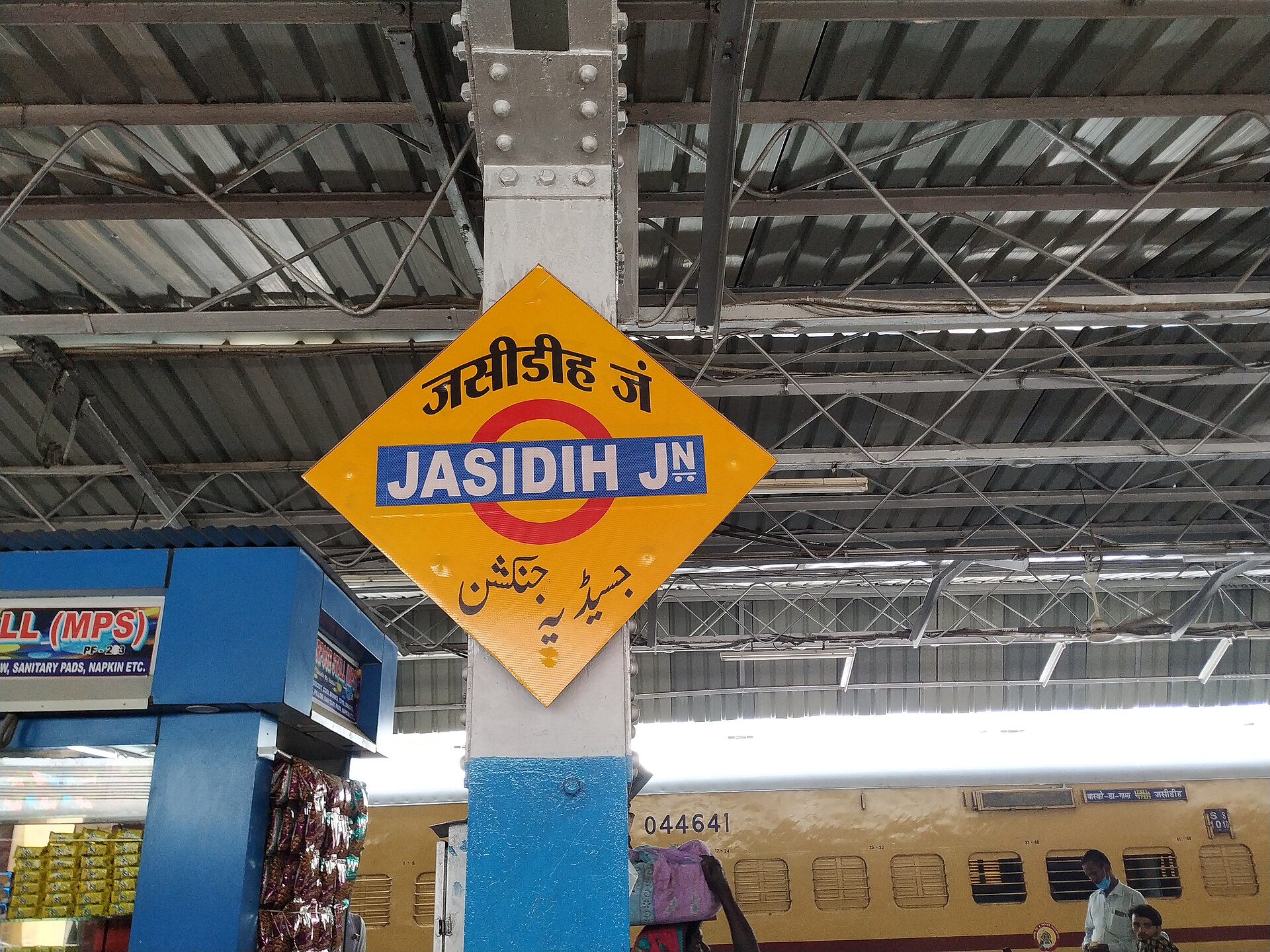
Deoghar Airport (DGH) opened in 2022 and has flights from the metro cities. By rail, three stations serve the city: Deoghar Junction, Baidyanathdham Deoghar and Jasidih Junction. Deoghar Junction sits on the Rampurhat–Jasidih line, while Baidyanathdham Deoghar is the terminus of a short branch line from Jasidih Junction, which lies on the Howrah–New Delhi main line. Express services stopping at Jasidih include the Howrah Rajdhani Express, Howrah Duronto Express, New Delhi Duronto Express, New Delhi Rajdhani Express, Poorva Express, Vibhuti Express, Bagh Express, Kumbha Express, Amritsar Mail, Patna Jan Shatabdi Express, Patna Vande Bharat Express, Howrah Jan Shatabdi Express and Howrah Vande Bharat Express; Deoghar Junction is served by the Jasidih Express from Rampurhat and the Godda Intercity Express from Ranchi.
From Jasidih Junction, local up-and-down trains run to Deoghar every few hours, and the branch line also carries trekkers that take passengers on a per-person fare basis. Auto-rickshaws wait just outside Jasidih station; shared autos and reserved autos are both available, though the collapse of the road bridge between Jasidih and Deoghar means they take a longer alternative route. The local train from Jasidih is the best way to reach Deoghar. By road, regular buses run from the surrounding towns, and the city is connected to Kolkata, Giridih, Patna, Dumka, Madhupur, Ranchi and Shimultala.
Getting around
Deoghar has no metro or tram, so getting around relies on road transport: auto-rickshaws, e-rickshaws, cycle rickshaws, taxis and buses. The town is compact, with most significant sites within a short radius of each other, so short hops dominate your day rather than long cross-city journeys. Auto-rickshaws are the most common way to get around; they are unmetered, so fares are negotiated or charged at fixed local rates, and you will find them clustered near Baidyanath Dham temple, the railway stations, the bus stand and the larger hotels and lodges. Shared autos run fixed routes with multiple passengers and are the cheapest way to cover short distances, while private autos cost more. E-rickshaws are battery-operated, quiet and low-speed, increasingly common around Baidyanath Dham Chowk, the tower, railway station–hotel routes, local markets and residential neighbourhoods, with generally fixed and cheaper fares. Cycle rickshaws still operate near the old marketplaces, the narrow temple lanes and residential areas — slow, but useful for elderly travellers, very short distances and lanes cars cannot enter. Tongas are also part of the local mix. Agree the fare before you set off and carry small cash, since digital payments are limited.
There are no app-based ride-hailing services in Deoghar; taxis and private cabs are booked through local drivers, travel agencies or your hotel, and are used mainly for railway station pickups and drops, airport transfers and full-day sightseeing, including trips to Basukinath and Trikut Parvat. Deoghar does not have an extensive city bus network, so do not plan on buses for getting around within town; what buses offer is regional and intercity connections from the main bus stand to surrounding towns and districts including Jasidih, Madhupur, Dumka, Giridih, Ranchi and Bhagalpur. Shared vans run set routes between Deoghar and the surrounding districts — cheaper than private cabs and faster than buses. Walking is genuinely practical: the temple area, local markets, dharamshalas and hotels sit close together, and during peak pilgrimage season walking can be faster than driving because traffic near Baidyanath Dham becomes congested. During the Shravan Mela, car traffic is restricted near the temple, designated drop points come into force, more e-rickshaws are put on, and traffic police control the routes; pilgrims are advised to walk short distances, use the designated transit zones and avoid peak hours. Transport availability is limited at night, and traffic jams are common during festivals.
Where to stay
Deoghar's accommodation is concentrated around the Baidyanath Temple, with a large cluster of budget hotels and ashrams within easy walking distance of the shrine. Hotel Bharti sits very close to the temple, while Joty is near the West entrance gate and Saraswati Ashram, on Mansarowar Road near the Mandir, offers budget rooms and is also described as a good place to eat. Other budget options in the same bracket include Hotel Anand, Hotel Samrat, Hotel Yatrik, New Grand Hotel, Hotel Prova and Nataraj Vihar, the last run by Jharkhand Tourism. At the upper end of the local range, Hotel Yasoda International offers more expensive rooms. For something a little different, Sewa Dham stands opposite Nandan Pahar, about two kilometres from Satsangnagar Chowk. It is ashram-type accommodation run by a trust, with non-AC rooms and big halls, plus a single kitchen providing vegan food that groups may use on request.Food & drink
Most visitors eat where they stay, but Deoghar also has plenty of small eateries, and a handful of local specialities worth seeking out. In the mandir lane you will find the parathas of Luchhu Shah, flour parathas filled with sattu and potato and blended with pure deshi ghee; ask anyone along the lane and they will point you to the shop. Sweet-toothed travellers should not miss the peda, a milk-based sweet that is the town's signature, or the rabri made from condensed milk, which is available throughout the year. Bel ka morabba is another Deoghar speciality, sold from September to March, and the local langra aam is a seasonal fruit you should not pass up. Tilkut, made from til and sugar crushed together, appears mostly from December to February.
For something to drink, try the dahhi ki lassi on the mandir lane, a cool yoghurt lassi that is also famous in Deoghar. Much of the town relies on groundwater, so it is wise to carry a bottle of mineral water during your journey.
What to see and do
Baidyanath Temple is the centre of Deoghar's identity, a temple built on a single rock and dedicated to Shiva as a Jyotirlinga. Its legend tells of Ravana receiving the lingam from Shiva and losing it when a Brahmin set it down here, where it stayed fixed. During the month of Sawan, pilgrims walk a long route on foot from Ajgaibinath in Bhagalpur district to offer Ganges water at the shrine, and the town becomes extremely crowded, so casual travellers are advised to avoid those months. Elsewhere in and around town you can visit the Naulakha Mandir, a Radha-Krishna temple on the outskirts, the Universal Temple of Sri Ramakrishna at Ramkrishna Mission Vidyapith in Williams Town, where morning prayer and evening services are held, and the Satsang Ashram, which has a museum, a zoo and a sarva dharma mandir. The Prabhu Jagadbandhu Ashrama offers short stays in a cool, quiet setting, and Balanand Ashram Yogashala is a yoga institution. For day trips, Trikut Hill lies about 16 km away and is the source of the Mayurakshi River; vehicles reach the base, then you walk up or take the ropeway, and in the rainy season the hill is wrapped in cloud with waterfalls and streams visible from July to September. Nandan Pahar is a picnic spot with basic rides on a small hill, reached on foot from the base, while Tapovan, about 8 km out, has caves and many monkeys and was a place of meditation for Balanand Brahmachari. Fuljhari Pahar, roughly 48 km away, is a hill of around 800 m that is safe for climbing, and Harila Joria, 8 km away, is known for its Shiva temple. Rikhia Ashram at Village Pania Pagaar is the tapobhumi of Swami Satyananda Saraswati, founder of the Bihar School of Yoga.Three days in Deoghar
Day one: Arrive in Deoghar and settle into the rhythm of this Jharkhand pilgrimage town. If you come by air, Deoghar Airport (DGH) puts you within easy reach of the centre; by rail, Deoghar Junction or Jasidih Junction are your gateways, with Jasidih well connected to Howrah, New Delhi, Kolkata, Patna, Ranchi and Giridih by services such as the Howrah Rajdhani Express, Howrah Duronto Express, New Delhi Duronto Express, New Delhi Rajdhani Express, Poorva Express, Vibhuti Express, Bagh Express, Kumbha Express, Amritsar Mail, Patna Jan Shatabdi Express, Patna Vande Bharat Express, Howrah Jan Shatabdi Express, Howrah Vande Bharat Express, Jasidih Express and Godda Intercity Express. From Jasidih Junction, an auto is the simplest way into town. Spend your first afternoon orienting yourself around the temple quarter and getting a feel for the lanes that lead toward Baidyanathdham Deoghar.
Day two: Give the day to Baidyanath Temple, the heart of Deoghar and one of the Jyotirlingas, where Shiva is worshipped and where the town's identity as a centre of Hinduism is most tangible. Take your time rather than rushing the visit, and let the surrounding streets fill the rest of your day. Rampurhat is another rail option if you are planning onward movement, but for a three-day stay the temple and its neighbourhood are enough to occupy you fully.
Day three: Use your final day to move at a slower pace through Deoghar itself, revisiting the areas around Baidyanathdham Deoghar that you passed on the first two days. When it is time to leave, head back to Deoghar Airport, Deoghar Junction or Jasidih Junction, depending on how you arrived, and connect onward to Howrah, New Delhi, Kolkata, Patna, Ranchi or Giridih.