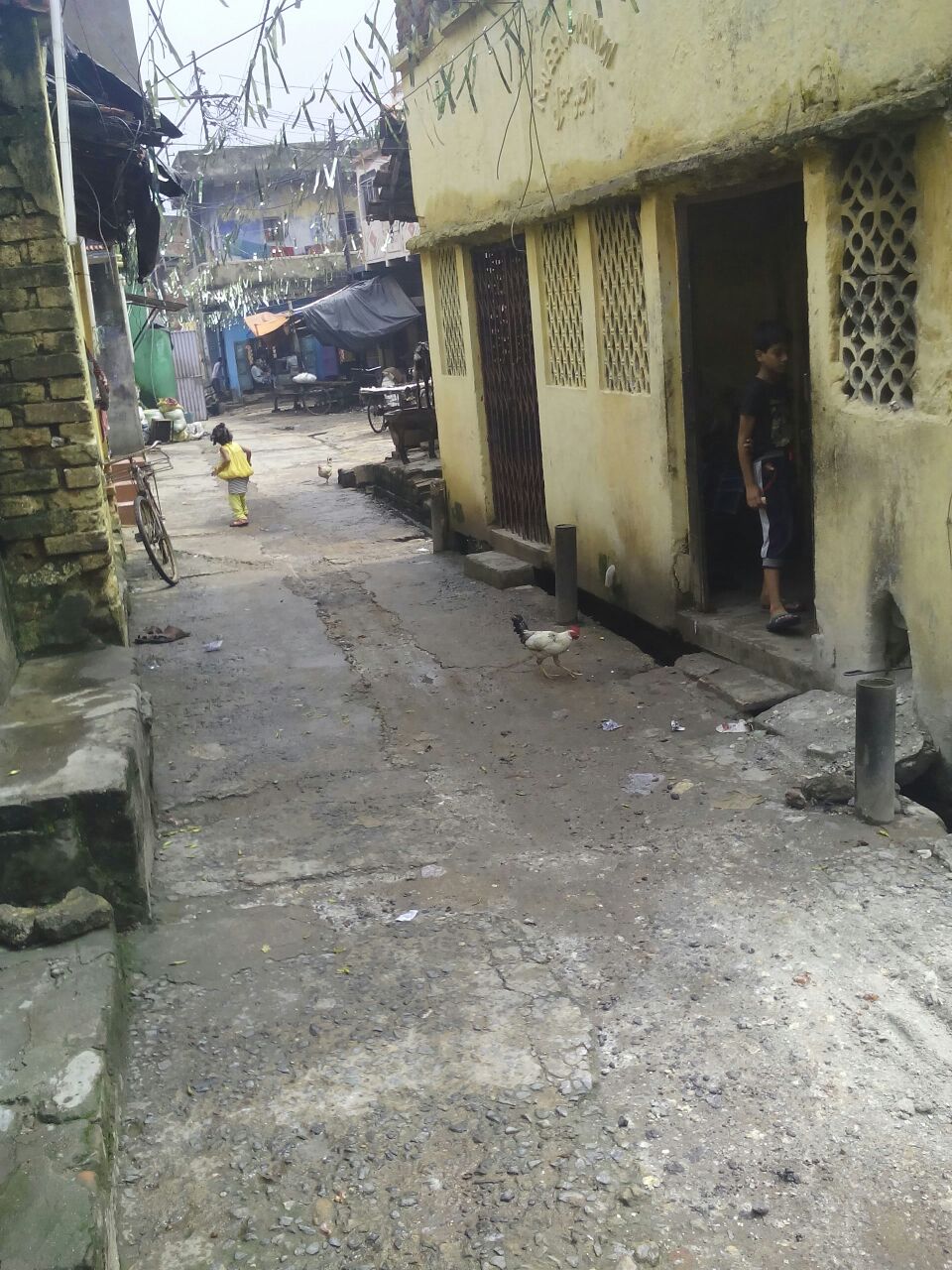
Kulti
Introduction
Kulti is a neighbourhood of Asansol, in the Paschim Bardhaman district of West Bengal, India. It falls under the administration of the Asansol Municipal Corporation, placing it within one of the state's larger urban centres rather than standing as a town in its own right.
Before you go
Asansol is an industrial and mining centre in Eastern India, and its character has been shaped by coal mining, the railways, and the growth of the IISCO steel plant at Burnpur. Knowing this helps you set your expectations: this is a working city rather than a resort town, so plan your visit around its industrial heritage and its role as a transport hub in the region. The name is pronounced AH-shahn-shohl in Bengali, which is worth remembering when you ask for directions or buy tickets. Beyond that, the source offers little practical detail, so gather your own information on how to reach the city and where to stay before you travel.Getting there
Asansol is the transport hub for this part of the region, and most visitors arrive through it. The nearest commercial airport is Kazi Nazrul Islam Airport in Durgapur, roughly 35 km away by road; Kolkata's Netaji Subhas Chandra Bose International Airport is the nearest international gateway. A general aviation airport at Burnpur handles small planes.
By rail, Asansol Junction sits on the Howrah–Delhi main line, and most trains stop there. Daily direct trains either start from or pass through Asansol, with several weeklies and bi-weeklies reaching far-off destinations such as Kanyakumari, Bengaluru, Ahmedabad and Dibrugarh. From Adra or Bardhaman, short-distance passenger and local trains are ideal. Trains are generally crowded, so book a reserved seat in advance; some long-distance trains also offer reservation from Howrah. The station has AC and non-AC retiring rooms, a dormitory, escalators at platforms 2 and 7, Wi-Fi, a 24/7 food plaza and an air-conditioned premium lounge.
By bus, air-conditioned Volvo and SBSTC buses, along with non-air-conditioned buses, leave daily from Esplanade in Kolkata for Asansol via Durgapur. Book tickets in advance, online or at the spot before departure; online bookings can be made through portals like Redbus. By car, Asansol lies on the historic Grand Trunk Road, and the Durgapur Expressway (NH 19) is another option from Kolkata.
Getting around
Kulti is a neighbourhood of Asansol, so plan your movements around the wider Asansol area: the main railway station, the long-distance bus stand and the commercial airport all sit in or near Asansol rather than in Kulti itself. Within Kulti and between nearby localities, short trips are made by road, using hired cars, auto-rickshaws or cycle rickshaws, all of which are readily available. Auto-rickshaws suit short hops, cycle rickshaws are good for very short local trips, and hired cars are the better choice for longer journeys across Asansol or to outlying destinations. Fares are not calculated by meter, so agree the hire charge with the driver before you board — this applies to auto-rickshaws and cycle rickshaws as much as to hired cars.
Kulti has its own railway station, while the area's rail hub is Asansol Junction on the Howrah–Delhi main line, where most trains stop and from which daily direct trains to different parts of India start or pass through, including several weeklies and bi-weeklies. For shorter regional travel, such as from Adra or Bardhaman, short-distance passenger and local trains are the ideal choice; book a reserved seat in advance, because trains are generally crowded. There is no metro or tram network here, so build your plans around trains, buses and road transport. Long-distance buses connect the area with Kolkata, with air-conditioned Volvo and SBSTC buses and non-air-conditioned buses leaving daily from Esplanade via Durgapur and arriving at the Asansol City Bus Stand, your starting point for continuing to Kulti by auto-rickshaw, cycle rickshaw or hired car. Taxis follow the Kolkata pattern — Ambassador cars painted yellow and blue — and are readily available at the railway station and at certain other fixed points, with fares likewise unmetered. Walking works for short local errands but not for covering the wider area, and app-based ride-hailing is unconfirmed, so rely on taxi ranks and hired cars instead.
Where to stay
Asansol's accommodation clusters around the GT Road corridor and the streets near the railway station, with the densest concentration of budget options in and around Bastin Bazar and the Asansol Market area. There you'll find simple lodgings such as Hotel Glossy, Hotel Gloster, Hotel Paramount, Hotel Plaza and Hotel Sadab, while Hutton Road, Station Road Morh and Nuruddin Road add further choices including Hotel Ajanta, Hotel Atithi, Hotel Geetanjali and Hotel Mousumi. A handful of budget addresses sit slightly away from the centre, among them Hotel Durga on Apcar Garden's Sen Raleigh Road, Hotel Rajshree on Shiv Mandir Road, Hotel Sarita and Hotel Shradhanjali on GT Road, and Burnpur Guest House over in Burnpur.
If you want more comfort, the mid-range bracket spreads along Burnpur Road and the GT Road approaches. Hotel Asansol Inn sits on Police Colony Lane off Burnpur Road, Hotel Ispat International has its address on Burnpur Road, and Hotel Asansol International occupies a spot on GT Road East at Murgasol. Kanyapur Road and the Kanyapur area near the NH2 bypass are home to The Hindustan Residency and Jubilee Resorts, while Hotel Shreshtha International lies further along GT Road at Kumarpur and Hotel Parbati International is within easy reach of the railway station.
What to see and do
For a sense of the city's religious heritage, head to the Bishnu Temple in Garui, a stone temple built over a platform with a Bengal hut-shaped roof and an arched entrance, dating to around the 14th century CE. A stone known as "Narayan shila" is worshipped here as the temple's deity, and the site is maintained by the Archaeological Survey of India. The Ghaghar Burhi Temple, a small shrine dedicated to Goddess Kali, is the oldest temple in Asansol. Industrial history is on display at the IISCO Steel Plant in Burnpur, operated by the Steel Authority of India, while the Susanta Ray Wax Museum and the Vidyasagar Art Gallery offer indoor options. For leisure time, Nehru Park in Burnpur sits on the banks of the Damodar River, about 14 km from Asansol railway station. Inside you'll find a cast iron statue of Nehru cast by IISCO, an eatery, and a large pond with boating facilities, plus fine views of Biharinath Hill. Satabdi Park, roughly 2 km from the railway station, offers paddle boating and a few rides for children, making it a pleasant spot to spend an evening. Panifala, about 7 km from the city centre, is a picnic spot with a lake for boating and a garden of flowers. If you want to catch a newly released film, Manoj Talkies is one of the biggest cinema halls around.Three days in Kulti
Day one: Arrive in Kulti, a town in Paschim Bardhaman, West Bengal, in Eastern India. If you come by air, Kazi Nazrul Islam Airport in Durgapur and Netaji Subhas Chandra Bose International Airport in Kolkata are the nearest options; by rail, Asansol Junction connects to Howrah, Delhi, Kanyakumari, Bengaluru, Ahmedabad and Dibrugarh, with trains from Adra and Bardhaman also serving the area. SBSTC Volvo and AC services from Esplanade can be booked through Redbus. Settle in, then walk the town and get your bearings.
Day two: Use Kulti as your base for the surrounding industrial belt. Asansol, under the Asansol Municipal Corporation, is close by, and Burnpur is home to IISCO. The region's Bengali character and its place in Eastern India's story are part of what you are here to see.
Day three: Spend a final day between Kulti and Asansol before you leave. Whether you depart by rail from Asansol Junction or by air from Durgapur or Kolkata, allow time for the journey, and book your onward travel in advance.