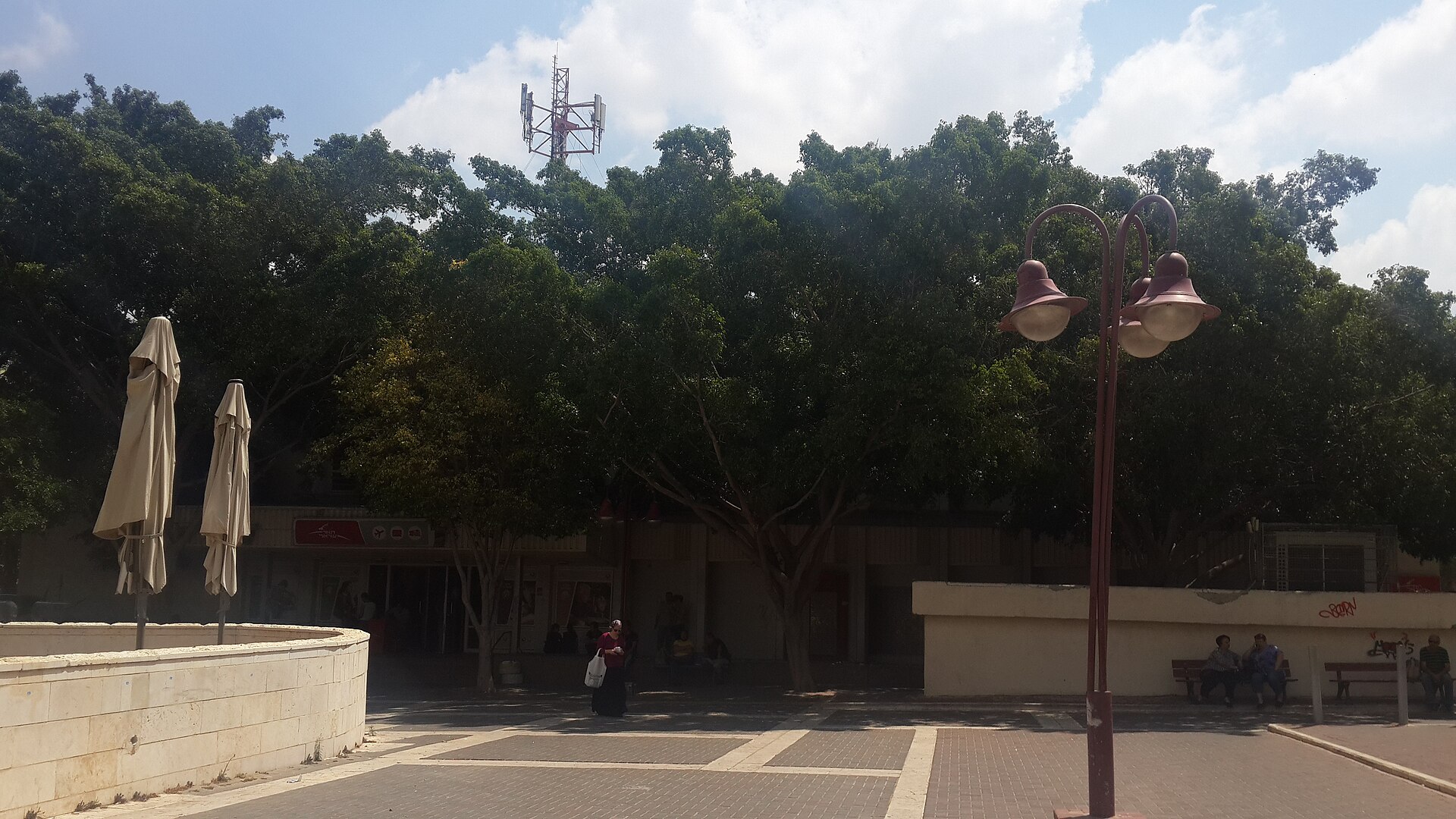
Petah Tiqva
Introduction
Petah Tikva, also spelt Petah Tiqwa, sits in the Central District of Israel, a short distance east of Tel Aviv. Founded in 1878, mainly by Haredi Jews of the Old Yishuv, it became a permanent settlement in 1883 with the financial help of Edmond Rothschild.
Getting around
Public transport is the backbone of getting around Petah Tikva, and the city is generally described as centrally located with good public transport in most areas. Buses and trains will cover most of your trips, with taxis, shared taxis (sherut) and walking filling the gaps. Because Petah Tikva is divided into many neighborhoods and covers a fairly wide area, confirm which neighborhood or junction your destination is near before you set out — the central bus station, the train stations and the highway junctions are distinct points and are not interchangeable. Some of the most useful intercity services stop at junctions on the edge of town rather than at the central bus station, so a stop's name matters as much as its existence. Car rental within the city itself has historically been limited, with the nearest alternative in neighboring Bnei Brak, so arrange a car in advance rather than assuming you can pick one up locally.
The train runs through Petah Tikva, making rail one of the simplest ways to reach Tel Aviv and, from there, the rest of the country; the typical pattern is to ride into Tel Aviv and transfer to other routes. Buses are the workhorse of local and regional travel, with frequent services to Tel Aviv running via the Arlozorov bus station and the Center-Savidor train station, both key interchange points. The frequent Haifa–Jerusalem bus route passes through the city, stopping at Ganim Junction (Tzomet Ganim) and Sirkin Junction (Tzomet Sirkin) rather than the central bus station, and buses from Jerusalem to Haifa stop along Route 40 on the eastern edge of town. Shared taxis run alongside the buses on some routes, including the Tel Aviv corridor. Set up a stored-value card or multi-ride pass early, since the same system generally covers both trains and buses. Walking works well within individual neighborhoods and for the last stretch from a stop to your destination, but the city is sprawling rather than compact, so use buses, trains or a taxi for longer legs. Fares and route numbers change over time, so confirm current details locally or in a live journey-planning app before you travel.
Three days in Petah Tiqva
Day one: Base yourself in Petah Tikva, in the Central District of Israel, and use the town as your starting point. Begin with the older core, where Petah Tikva's origins lie - it was founded by Haredi Jews of the Old Yishuv with support from Edmond Rothschild. Get your bearings on foot, then look at the bus and shared taxi options that connect the town to Tel Aviv and the rest of the country. Because Petah Tikva sits close to Tel Aviv, you can reach the coast easily, but give the town itself a full day first.
Day two: Head out by bus or car toward the coast and spend the day in Tel Aviv. Buses run frequently, and the route via Bnei Brak is one option; the Arlozorov and Savidor centers in Tel Aviv are useful arrival points. If you prefer to stay local, walk the streets around the center of Petah Tikva instead and get a feel for how the town works as a place to live rather than just pass through.
Day three: Use the junctions to plan a wider loop. Ganim Junction (Tzomet Ganim) and Sirkin Junction (Tzomet Sirkin) are the local reference points, and from there routes run north to Haifa and southeast to Jerusalem. Shared taxis and buses both serve these directions, so check fares and set times before you go. If you have only a half day left, keep it simple: a final walk through Petah Tikva, then a bus or shared taxi onward.