Baubau
Introduction
Baubau sits on the southwest coast of Buton island in Southeast Sulawesi, a city that grew from the former capital of the Sultanate of Buton into the economic centre of the Buton Island region. It remains the cultural heart of the Butonese people, and its layered past includes a spell as the seat of the colonial administration of Eastern Sulawesi and, until 1955, as capital of the wider region before that role passed to neighbouring Kendari.
Part of the city's area is water, and it was granted city status in 2001. Come expecting a working provincial city rather than a resort, one whose identity is bound up with Butonese culture and its sultanate heritage.
Getting around
Baubau is compact and largely flat in its centre, and most neighbourhoods are connected within a twenty- to thirty-minute walk. The historic core around the old palace district and the waterfront are the natural places to base yourself, putting markets, guesthouses and transport within easy reach. There is no rail, metro or tram network, so all movement within the city and to and from it is by road or by water. Tourist infrastructure is limited and English is not widely spoken, so sort out your transport options early and keep some flexibility in your plans. The dry season, roughly May to September, is the easiest time for getting around; the wet season from November to March can bring delays.
The mainstay of local public transport is the angkot, a shared minivan running fixed routes through the city. Angkots connect the main bus station with the central city, and other routes thread through town; a ride from the bus station into central Baubau takes roughly fifteen to twenty minutes depending on traffic, while rides within the city typically take five to fifteen minutes. Services run roughly from 6 am to 6 pm, so plan evening trips another way, and there are no passes or advance tickets — you pay the fare on board. For door-to-door trips, the most common option is the ojek, a motorcycle taxi that is quick for short hops and widely available; agree the fare with the driver before you set off. Ride-hailing apps are not something to count on here, so treat the ojek and angkot as your practical everyday options and arrange any longer road journeys through your guesthouse or at the bus station. Walking is genuinely the practical way to reach most places in the centre, linking the market district, the waterfront and harbour, and the old palace area, though the tropical heat makes the cooler morning hours worth using. If you arrive by sea, the waterfront and central market district are close at hand; arrivals by air finish their journey into the city by road, with the angkot from the main bus station the budget option and an ojek or pre-arranged car the simpler choice if you are carrying luggage. Carry small cash for angkot and ojek fares, confirm angkot destinations with the driver or conductor before boarding, and allow extra time in the wet season when transport can be delayed.
Three days in Baubau
Day one: Start in Baubau on Buton Island and get your bearings on foot, since walking is the easiest way to settle into the town. Angkots provide local rides if you need them, and services are concentrated where you would expect in a town of this size. English is not widely spoken, so carry a few phrases and be patient with directions.
- Walk around Baubau to get oriented
- Use angkots for longer hops across town
- Keep English simple and carry written place names
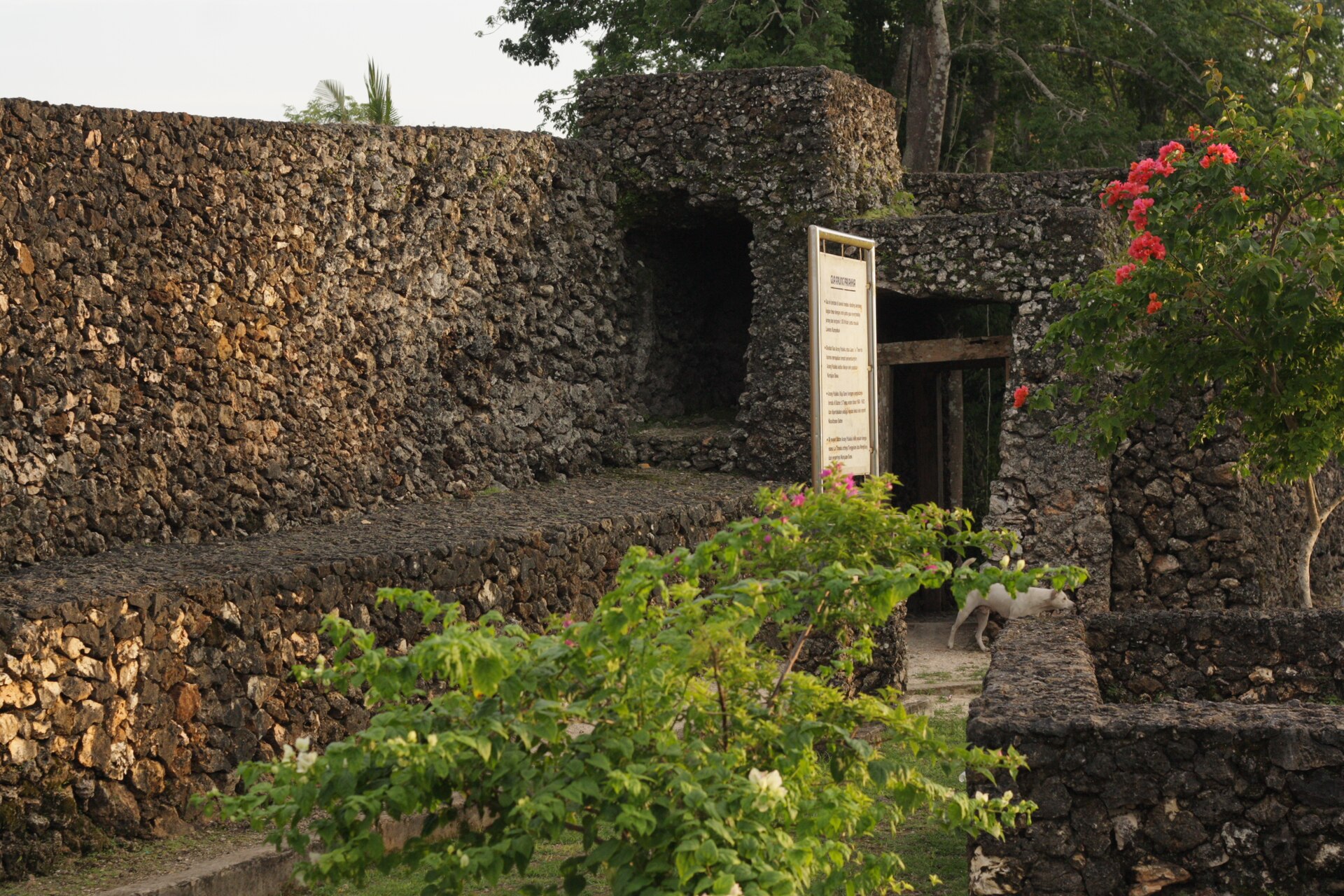
Day two: Turn to the Sultanate, the historical heart of Buton and the reason many visitors come to this part of Southeast Sulawesi. Take your time rather than rushing between stops, and ride an angkot when the walking adds up.
- Explore the Sultanate's sites in Baubau
- Ride angkots between stops
Day three: Look beyond Baubau toward the rest of Buton Island and the wider region of Eastern Sulawesi, with Kendari as the main city on the mainland side. Tourist services are limited, so plan your transport before you set out. The months from May through September, and again in November and March, are generally the more comfortable times to travel; carry what you need for warm, humid days.
- Plan onward transport toward Kendari or elsewhere on Buton Island
- Carry essentials for warm, humid weather