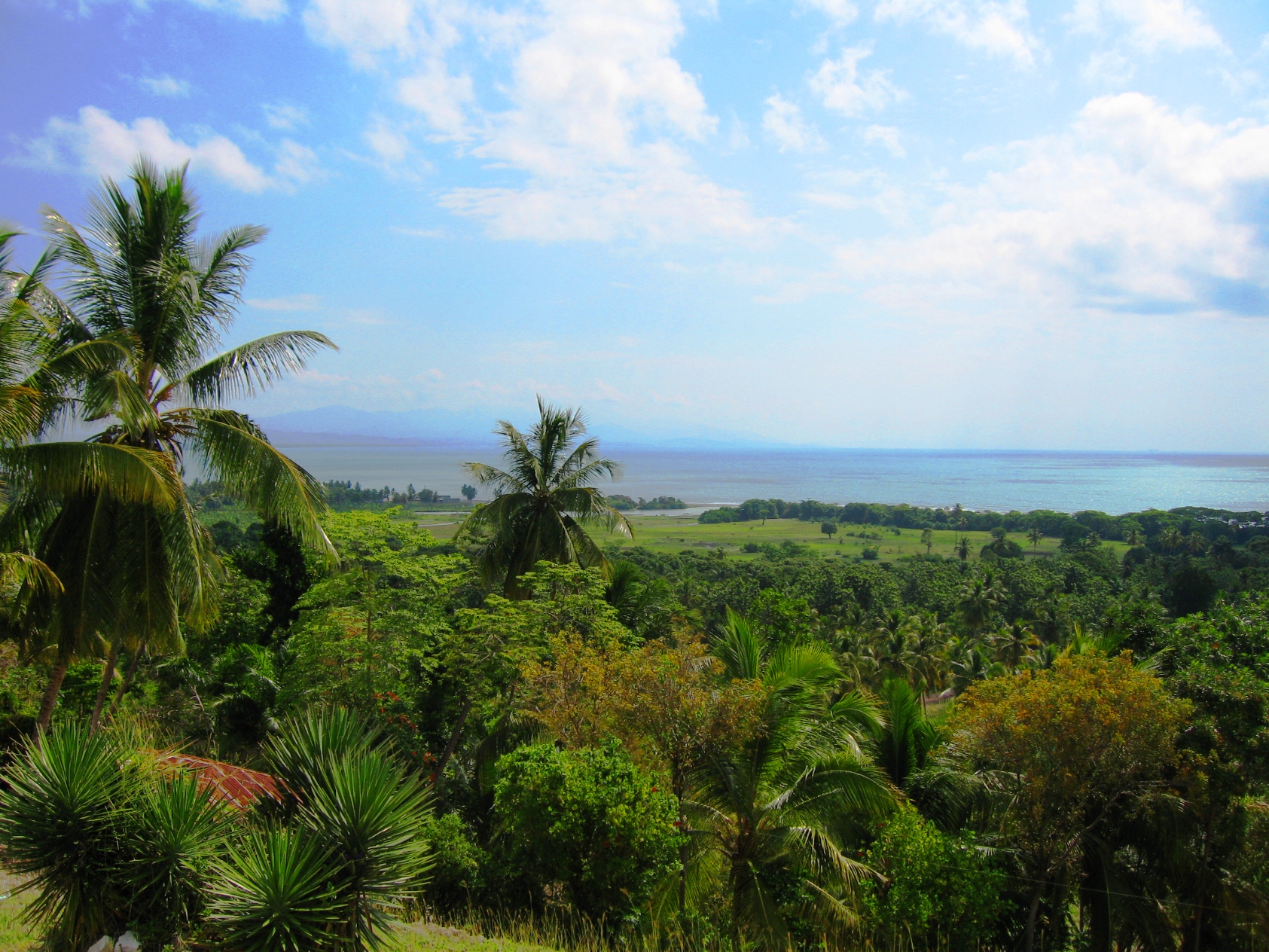
Les Cayes
Introduction
Les Cayes, also called Aux Cayes, is a commune and seaport in the Sud department of Haiti, set apart from the political turmoil of the capital, Port-au-Prince. That distance has helped it become one of the country's major ports, with export trade centred on coffee and sugarcane.
The city is the world's largest supplier of vetiver, the ingredient used in perfume and fragrance manufacturing, and it also ships out smaller quantities of bananas and timber. Come for a working port town whose character is bound up with what it grows and sends abroad.
Getting there
Antoine Simon Airport, named for a Haitian president born in Les Cayes, receives flights from the capital. If you are coming overland, you can reach the city by bus, by tap-tap or in your own car. Cycling the route is also done, though it is not considered particularly safe.
Flying from the capital takes only 20–30 minutes. Public transportation can stretch the trip to around four hours, while a private car covers it in roughly two and a half to three hours.
Getting around
Les Cayes is a walking city at its heart: the town centre, the market and the waterfront are all easy to cover on foot, and comfortable shoes are worth packing for the tropical heat. Greet sellers, drivers and passers-by before you launch into a question, and ask permission before photographing people or their goods. After dark, stick to lit, populated streets rather than solitary walks.
For anything beyond the centre, you'll rely on shared transport. Tap-taps — brightly painted minibuses — run fixed routes linking suburbs and outlying towns, and along with moto-taxis they're how you reach Port-Salut, Camp-Perrin and the beaches. Flag one down where there's space, or pick it up at a tap-tap or bus station, and ask the driver first ("Bonjou, [destination]?") naming the area you're passing through. Say "Padon!" if you bump someone in the crush, call "Mèsi!" to signal your stop, and pay at the end — change comes back through the window. Moto-taxis are the most common way around the city itself: quick and cheap for short hops, with the fare agreed before you board and small notes in hand since drivers are often short on change. Longer moto rides are considered dangerous and no helmets are provided. There are no street-hailable taxis, so for longer or more comfortable trips book a private driver in advance through a travel agent, your hotel or a tourism desk, with the price negotiated beforehand. Boats leave from the town wharf for Île-à-Vache, and public water taxis connect southern towns and landmarks that roads don't reach; private operators cost considerably more. Carry small Gourdes notes for fares and market purchases, and keep in mind that English isn't widely understood, so a few phrases of French or Haitian Creole go a long way.
Where to stay
Lodgings are concentrated on Île à Vache, reached via Route Nationale #2. Two options are listed for the island: Abakka Bay and Port Morgan, both on Île à Vache.
Food & drink
The source material for Les Cayes contains no information on where or what to eat, so there is nothing to describe here.What to see and do
The source material for HT-12-les-cayes contains no listings under See or Do, so there is nothing to describe here. Check back once the guide has been updated with places to visit and activities.Three days in Les Cayes
Day one: Start in Les Cayes itself, getting your bearings in the town before heading out along Route Nationale Two. Greet people with "Bonjou" in the morning and "Salut" later in the day; "Mèsi" and "Padon" will carry you a long way, whether you're speaking French, Haitian Creole or English. Tap-taps and motos are the easy way to get around, and boats leave from the port for Île-à-Vache, so ask about crossings early if you want to include the island. Carry gourdes for everyday expenses.
- Greet with Bonjou, Salut, Mèsi and Padon
- Get around by tap-tap or moto
- Ask at the port about boats to Île-à-Vache
Day two: Give the day to Île-à-Vache. Boats run from the port, and the crossing makes a natural full-day outing from Les Cayes. Take your time on the island and return to town in the evening.
Day three: Stay closer to Les Cayes. Cycling is a good way to see the surroundings at your own pace, and you can spend the afternoon around Camp Perrin if you want a change of scene. If you're flying out, Antoine Simon Airport is the departure point, and longer stays are easy to arrange through local lodgings.
- Cycle around Les Cayes and toward Camp Perrin
- Depart from Antoine Simon Airport if flying
- Arrange longer stays through local lodgings