Nice
Introduction
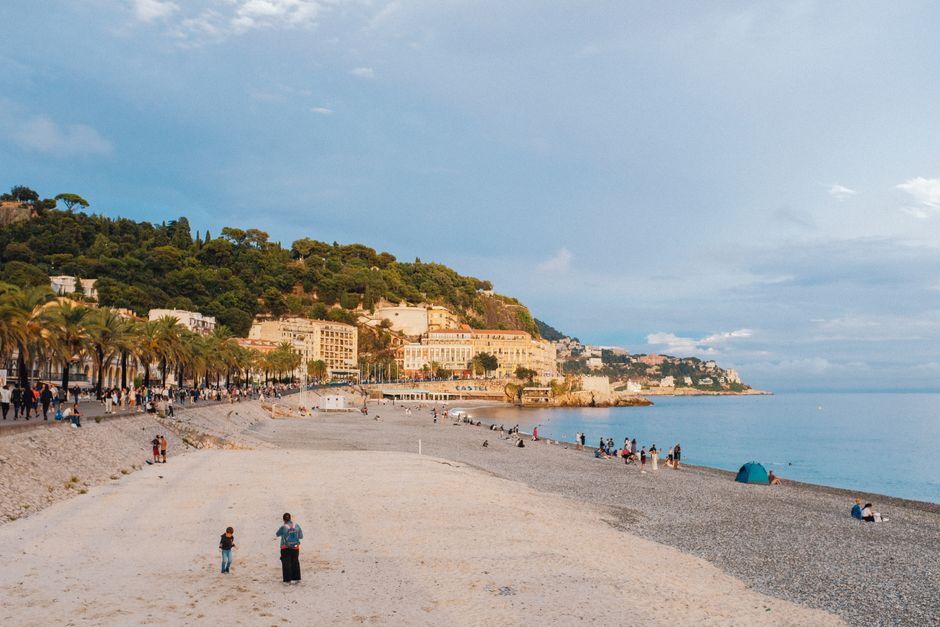
Nestled on the French Riviera along the southeastern coast of France, you will find Nice situated on the Mediterranean Sea at the foot of the French Alps. This coastal city serves as a major hub in the Provence-Alpes-Côte d'Azur region and sits just a short distance from the principality of Monaco and the French–Italian border.
The local airport acts as your gateway to this coastal destination, where you can explore an area that extends well beyond the administrative city limits.
Before you go
Prepare for a Mediterranean climate where winters are characterized by chilly, sunny days or milder, cloudy weather, and summers provide warm, dry, and sunny conditions. Note that spring features a slow warm-up, with winter-like temperatures persisting into April, while autumn brings a transition from warm September days to variable October weather and a mix of mild and cool conditions in November.
While you explore the city, make an effort to speak French as not everyone will speak English. Be mindful of your belongings in crowded areas such as bus stations, train stations, and tourist sites, where pickpockets often operate in teams. To stay safe, avoid certain neighborhoods like Arianne, Pasteur, and la Trinité at night, and exercise caution near the Thiers neighborhood and areas north of the airport. When traveling by car, do not leave valuables in your vehicle, particularly in underground parking lots. If you are targeted by theft, report the incident to the National Police Station located near the Nice Etoiles shopping center.
Getting there
You can arrive in Nice by plane at the Nice Côte d'Azur Airport, where you may enjoy beautiful views of the French Riviera during good weather. To reach the city center from the airport, you can take Tram 2, which connects both terminals to the Jean Médecin station. Alternatively, a local bus service travels along the seafront Promenade des Anglais to the old town, or you can walk to the nearby Nice St-Augustin station to catch a regional train toward the city center or neighboring destinations like Monaco and Cannes.
If traveling by rail, you can reach Nice via the SNCF network from Paris or other French cities. For those arriving by car, the A8 autoroute provides access from the west and Italy, while the scenic Corniches offer a panoramic coastal route from Menton. You may also reach the city via long-distance buses from Marseille and other European hubs, or by boat at the Gare Maritime de Nice for routes to Corsica.
Getting around
You can navigate the city and surrounding Riviera using an extensive network of buses and trams. The Lignes d'Azur system serves as the primary urban transport, while the Zou! network connects you to nearby towns and villages like Èze and Vence. These systems share a common ticket zone in certain areas, allowing for integrated travel between local and long-distance routes. While the tram provides frequent service through the heart of the city, connecting the train station and downtown areas, buses offer scenic coastal routes. Be mindful that bus schedules can be complex; they list departure times from the first stop on a route rather than your current location, so you should allow extra time for your journey.
For regional travel, the SNCF rail service provides reliable connections to coastal towns like Cannes and Monaco. If you prefer a slower, more scenic experience along the coast, certain bus routes offer a picturesque alternative to the train. For those exploring on two wheels, a public bicycle rental system is available throughout the city with various subscription options. While the town center's main attractions are clustered closely together and easily accessible on foot, some sites like the museum at Cimiez are better reached by bus. If you choose to drive, be prepared for heavy traffic and limited parking in the congested city center.
Where to stay
You can choose from a wide range of modern and traditional French hotels throughout the city. While the old quarter is primarily composed of apartments with few hotels available, you can find convenient accommodations between the main station and the promenade, specifically below Boulevard Victor Hugo and east of Boulevard Gambetta. For those preferring locations further from the seafront, the areas near the tramway along Avenue Jean Medicine or Avenue de la Republique offer practical options. If you prefer to stay closer to the airport, several hotels are located within walking distance of Terminal 1, though these require a bus journey or taxi to reach the city center.
Depending on your preferences, you can find various accommodations across different styles:
- For a budget-friendly stay, numerous youth hostels are available, including options in the heart of the city center, a former monastery with a lively atmosphere north of the town center, and a clean facility near the train station.
- Mid-range options include Art Deco buildings near the Promenade des Anglais, a cozy hotel with a bed-and-breakfast vibe in the city center, and various well-appointed properties. Some locations offer amenities like swimming pools or are situated in the Fabron district.
- For a more luxurious experience, you can stay at landmark hotels on the Promenade des Anglais, an upscale Italian chain in the city center, or a boutique hotel on Boulevard Victor Hugo. Other premium options include a hillside property overlooking the Baie des Anges and Old Village with private hot tubs, or a four-star hotel in the heart of the city.
Food & drink
Experience the vibrant flavors of Nice by exploring local specialties that define the region's culinary identity. You can enjoy street food staples like socca, a warm chickpea flour flatbread wrapped in paper to be enjoyed on a bench overlooking the sea, or a pan bagnat, which is a tuna fish sandwich filled with olives, boiled eggs, and fresh vegetables. For those seeking something unique, try a pissaladiere—a simple pizza topped with caramelized onions, garlic, anchovies, and olives—or a savory barbajuan stuffed with Swiss chard and ricotta. If you prefer a sit-down meal, the local cuisine features Mediterranean seafood such as sea urchin and octopus, hearty ratatouille, or a rich daube of beef slowly cooked in wine and herbs. You can also find diverse influences in the city, including North African dishes like fragrant tagine, couscous, and spicy shakshuka.
Savor essential Mediterranean staples by visiting local markets to gather ingredients for a picnic, such as fresh baguettes, assorted French cheeses, and various types of olives or tapenade. You might choose to pair your meal with a chilled rosé from Provence or Languedoc-Roussillon when the sun feels good on your skin, or try an anise-flavored pastis. For a sweet treat, seek out local pastries like tourtes aux blettes, which are tarts made with Swiss chard and nuts, or visit a nearby shop for gelato featuring unique flavors such as thyme, cactus, or lavender. In the Old Town, you can find various eateries serving everything from wood-fired pizzas to traditional French cuisine in welcoming atmospheres.
What to see and do
Experience the iconic coastline by walking along the Promenade des Anglais, where you can enjoy views captured in famous paintings and postcards. For a different perspective, climb the stairs or take the lift to the platforms of Colline du Château to overlook the city and the harbor. If you prefer exploring the urban landscape, wander through the maze of streets and alleys in Vieux Nice, home to the daily fruit and flower market at Cours Saleya and the beautiful Baroque Cathédrale Sainte-Réparate. You can also visit the older, upper part of the city, Cimiez, which houses several museums including the Musée Matisse and the Musée d’Archéologie de Nice.
Explore a variety of cultural sites and natural settings across the region:
- Visit the Museé Marc Chagall to see its stained glass windows or explore the four towers of MAMAC for modern art and panoramic roof terraces.
- Discover the botanical gardens and tropical glass house at Parc Phoenix, or visit the Musée des Arts Asiatiques located near the airport.
- Travel to nearby areas like Èze to see a cactus garden on a mountained village, or explore the coastal scenery of the Golden Triangle.
- Take a scenic train ride on the Train des Pignes through mountains and valleys, or walk the Cliff Walk along the coast toward Monaco.
Three days in Nice
Day one, you can begin your journey on the French Riviera by exploring the coastal charm of Nice. Take in the views of the Mediterranean Sea and experience the atmosphere of the Côte d'Azur.
Day two, travel toward the nearby region of Monaco or head inland toward the foothills where the influence of the French Alps begins to shape the landscape.
Day three, you can explore the local surroundings near Provence or enjoy the coastal scenery before your departure from the area.