Reims
Introduction
Located along the Vesle river, a tributary of the Aisne, you will find Reims situated in the Marne department. This city serves as a significant regional hub located to the northeast of Paris.
Before you go
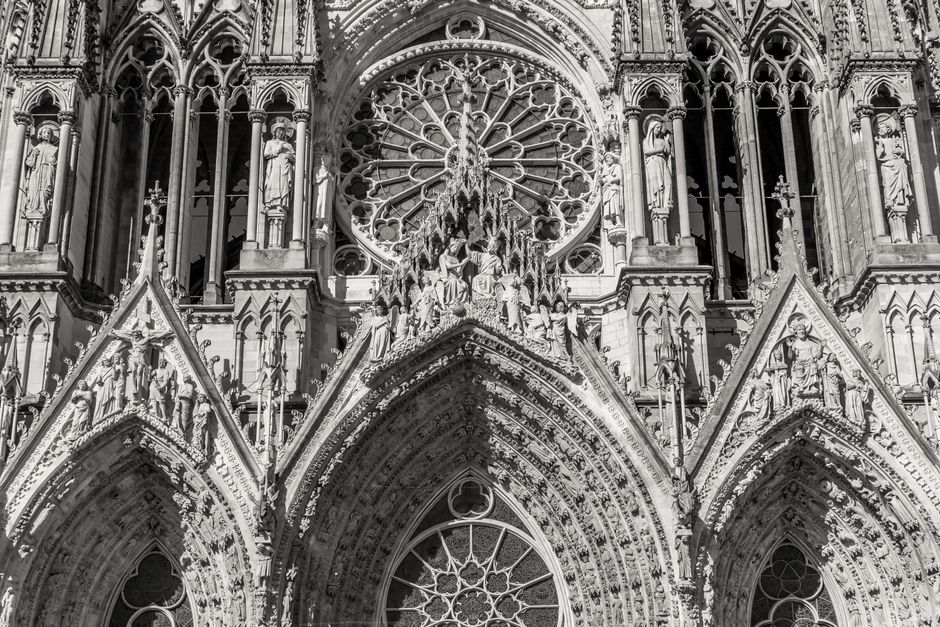
Prepare for a journey into the heart of the Champagne region, where you can explore a city cherished by the French for its charm and historic significance. You will find a rich history in the Reims Cathedral, a masterpiece of the European Middle Ages that served as the coronation site for nearly a millennium of French kings. While much of the original architecture was lost during World War I, you can now wander through streets rebuilt in an elegant Art Deco style.
When planning your visit to the local champagne houses, keep in mind that many of the major producers require appointments for tours and tastings. You can also explore the underground world where the wine is aged in chalk caves and tunnels dating back to the Roman period. The city center is compact and easy to navigate on foot, featuring numerous pedestrian-only streets within the shopping district.
Getting there
You can reach Reims by train from various major French cities including Lille, Bordeaux, Nantes, Strasbourg, and others. While regular train lines offer an alternative route with a transfer in Épernay, the high-speed TGV provides a faster connection to the city. If you arrive at the Champagne-Ardenne TGV station located just outside of town, you can access the central station via local train or bus.
If you are flying into the region, note that Reims does not have its own airport. You can fly into Paris Charles de Gaulle, which is a short high-speed train ride from the city, or choose nearby airports such as Paris Beauvoir or Châlons Vatry. When booking your rail journey, ensure you verify your specific arrival and departure stations to avoid confusion between the central station and the TGV hub.
Getting around
You will find the city center compact and easy to navigate on foot. For travel further afield, the reliable bus network provides a practical way to reach various destinations. You can purchase single tickets directly on the bus or opt for a carnet of ten tickets from local bars, tobacco shops, or newspaper shops. Day tickets are also available if you plan to use the bus multiple times throughout your day.
Taxis are an option for longer trips, though they must be booked in advance as they cannot be hailed on the street. If you wish to venture beyond the region, you can take a TGV train for a day trip to Paris, which requires booking your tickets ahead of time.
Where to stay
You can choose from a variety of accommodations depending on your preferred style of stay. For those seeking a more traditional hotel experience, options like the Best Western Hôtel de la Paix or the Holiday Inn Garden Court offer convenient locations, with the latter featuring a top-floor restaurant and underground parking. If you prefer an apartment-style stay, you can find accommodations in the city center. Backpackers looking for a basic, clean environment with communal facilities may opt for a hostel that provides a social atmosphere, though it maintains strict rules regarding smoking and alcohol.
If you prefer to stay near the Place d'Erlon, several hotels offer convenient access to nearby underground parking. You can find spacious rooms at the family-run Hotel Victoria, which features en-suite bathrooms and free wi-fi in its bar area. Other nearby options include the Grand Hotel du Nord and Hotel Cristal.
Food & drink
Explore a diverse culinary scene centered around the Place d'Erlon, where you can find everything from casual burger bars to Irish pubs. For a selection of ethnic cuisines including Chinese and Mexican, head toward the Opera cinema. If you prefer a relaxed moment, grab a baguette from a local patisserie like Petit Four and enjoy it by one of the city's fountains.
Depending on your preference for atmosphere and cuisine, you can choose from various dining styles across different neighborhoods:
- Experience traditional French fare or find mid-range options along Boulevard Foch.
- Visit the area around Place Stalingrad for more affordable pizzerias.
- Savor local specialties at establishments like La p'tite Cocotte or enjoy a meal at Brasserie Excelsior.
The local drink scene is defined by Champagne and a variety of pub experiences. In the city center, you can visit the Gin Pamp for live music or Cochon A Plumes for an excellent atmosphere. For those seeking a more traditional experience, the Stalingrad offers a quiet spot with live jazz on certain nights. If you prefer a lively night out, venues like LBee and La Bodega offer space to stay out later, while the Kilberry provides a friendly Irish pub atmosphere where locals gather.
What to see and do
Explore the historic architecture of the city center, where you can admire the towering Gothic Notre-Dame de Reims cathedral, famous for its height and stained glass windows. Nearby, visit the Palace of Tau to see a 13th-century Palatine chapel or view the Art Deco style of the Carnegie Library. Other notable landmarks include the Renaissance mansion known as Hotel de la Salle, the Gothic merchant house called Hotel des Contes de Champagne, and the late-Roman triumphal arch at Place de la République. For those interested in local history, the 17th-century Town Hall sits adjacent to an Art Nouveau building featuring mosaics of the champagne making process.
Experience the local culture by visiting various champagne houses and their underground chalk caves where the wine is aged. You can also explore the city's vibrant theater scene at venues like La Comedie or La Cartonnerie, or catch a film at the Opera cinema. If you enjoy motorsports, the site of the former Reims-Gueux Grand Prix circuit offers impressive views of historic grandstands and buildings. For a different atmosphere, visit the local market in the early morning to browse fish, meat, and cheese, or experience the festive spirit of the Christmas Fair in Place d'Erlon.
Three days in Reims
Day one, you can begin your journey by exploring the historic center of Reims. You can visit the Reims Cathedral to experience its architecture from the European Middle Ages and admire the local atmosphere.
Day two, you can travel through the region to see more of the landscape near the Vesle and Aisne rivers. You can also take in the local scenery as you explore the surroundings of the city.
Day three, you can spend your final day exploring the area around Place Erlon or preparing for your departure from the city via the TGV toward destinations such as Paris, Lille, Bordeaux, Nantes, or Strasbourg.