Jyvaeskylae
Introduction
Jyväskylä is the regional capital of Central Finland, set in the Finnish Lakeland. As one of Finland's larger urban areas, it makes a natural base for exploring this lake-studded part of the country.
Getting around
The centre of Jyväskylä is compact, enclosed by the waters of Jyväsjärvi, the wooded Harju ridge, Seminaarinmäki and Arena Square, so walking is a practical way to cover the core. Bear in mind that the wider landscape is hilly and forested — Alvar Aalto compared the slope of the Jyväskylä ridge to the mountain vineyards of Fiesole — so expect some climbs as you move away from the flattest parts of the centre.
For everything beyond the centre, green Linkki buses are the backbone of local transport, with no metro or tram network to navigate. The system is organised by the City of Jyväskylä and serves Jyväskylä itself along with Laukaa and Muurame, while Waltti tickets extend to Äänekoski, Hankasalmi, Toivakka and Petäjävesi; several nature destinations in the area can be reached by bus or train. Plan with the local traffic Trip Planner online or a printed booklet of timetables, and look for the yellow-and-black bus stop sign at the stop. Single tickets are issued by the driver and include free transfers between Linkki buses within a set time window depending on how many zones you cross; day tickets, season tickets and value loaded onto a Waltti card suit longer or repeated travel. You can pay in cash, by contactless card, with a Waltti card or via a mobile ticket in the Linkki app — install it and add your payment details before boarding. Tickets are also sold at the Linkki service point on Asemakatu and at Forum R-kiosks. The city also runs Linkki-VIP service transport, open to everyone, using low-floor mini-buses that charge the standard fare and can deviate from routes to reach a customer's door. For the airport at Tikkakoski, check the Trip Planner and timetable booklet for connecting services or arrange a taxi.
When to go
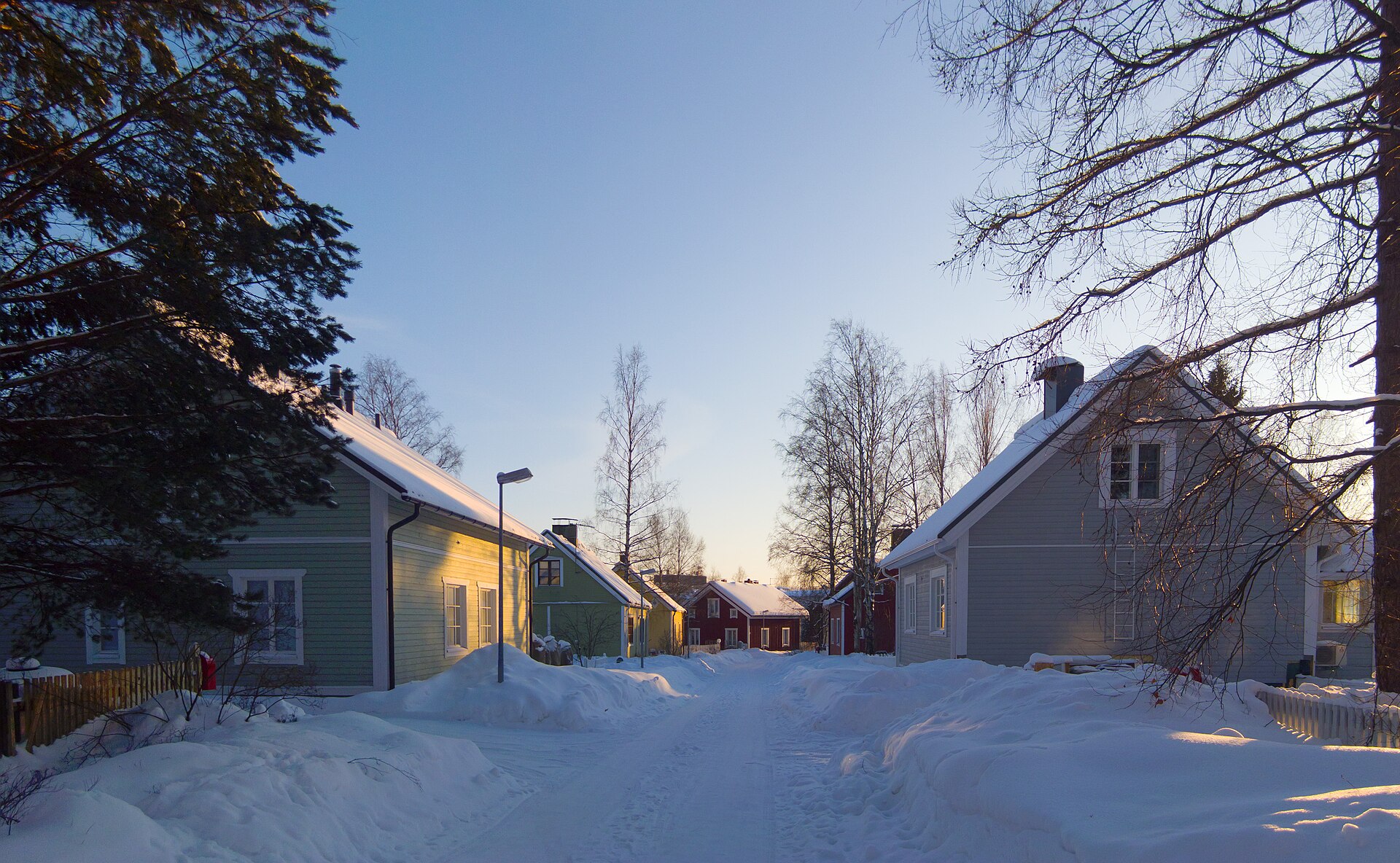
Jyväskylä has a subarctic continental climate, so your timing shapes the trip considerably. Winters are long, snowy, cold and dark, with midwinter daylight lasting only around five hours. Expect snow and cold, and plan around the short days rather than against them.
Summers are mild, and the season brings long daylight and white nights — midnight twilight rather than full darkness. If you want daylight to fill your days, aim for summer; if you want snow and accept the dark, winter delivers it.
Three days in Jyvaeskylae
Day one: Start in the city centre around Asemakatu and Arena Square, getting your bearings in Jyväskylä before heading up Harju for views over Jyväsjärvi and the surrounding Central Finland landscape. Spend the afternoon on Seminaarinmäki, where Alvar Aalto's buildings shape the campus, and finish with a walk along the lake shore.
Day two: Use the Linkki and Waltti tickets to plan trips out of town with the Trip Planner. Head to Muurame and Laukaa for a taste of Finnish Lakeland, or choose Petäjävesi, Hankasalmi or Toivakka if you want to explore further afield. Expect warm summers for these excursions and winters that are bitterly cold, so dress accordingly.
Day three: Visit Tikkakoski, home of the Finnish Air Force Academy, then return to the city for a last look at the harbour area by Jyväsjärvi. If you have time, the Forum and Asemakatu area make an easy final stop before you leave Jyväskylä.