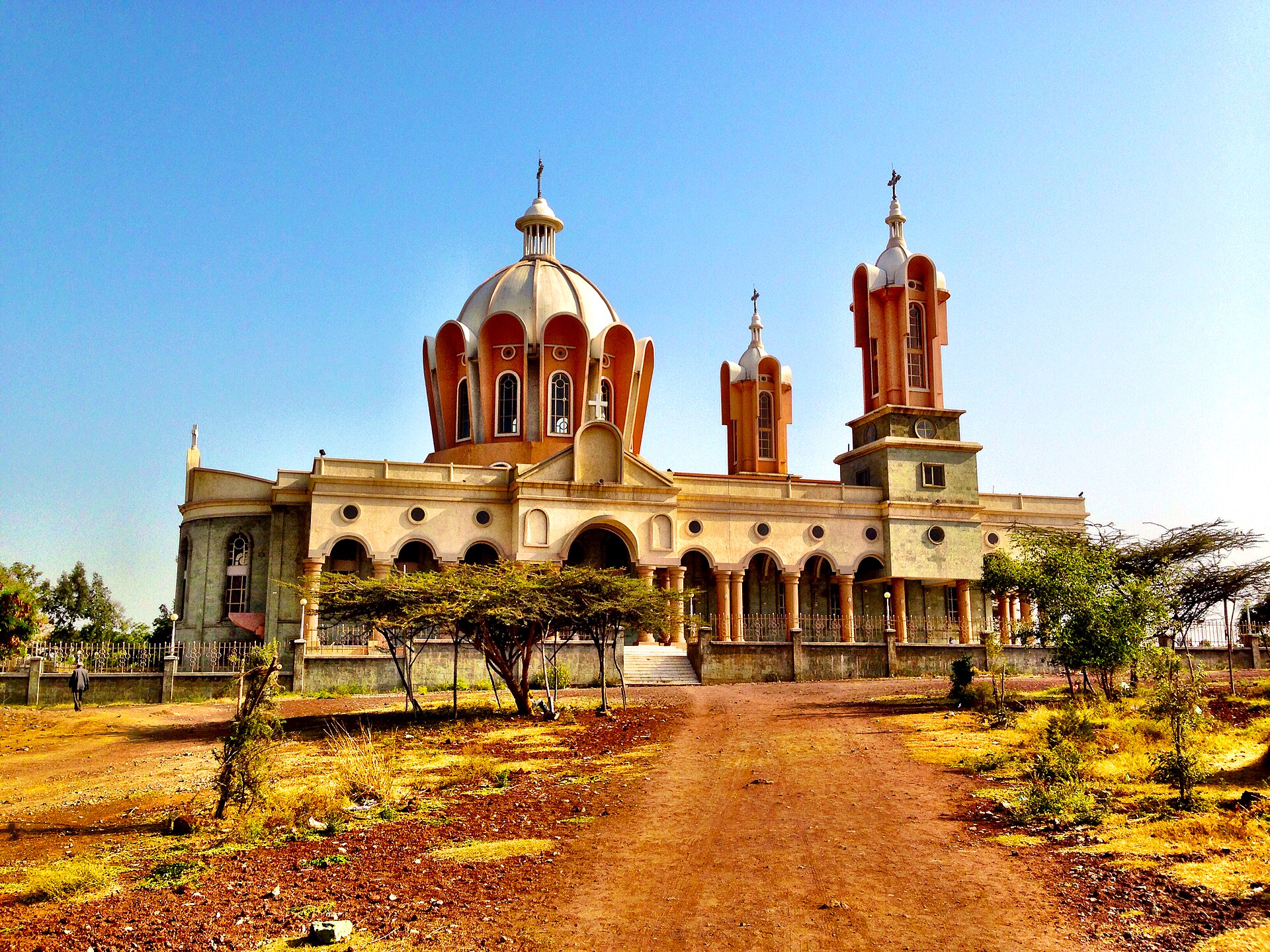
Nazret
Introduction
Adama, formerly known as Nazreth, is one of the cities of the Oromia Region in Ethiopia. It sits in the East Shewa Zone, southeast of the capital, Addis Ababa, in a landscape defined by two contrasting features: the base of an escarpment rises to the west, while the Great Rift Valley opens out to the east.
Before you go
Before you travel to this city, get to grips with its names. It was renamed Nazret, or Nazreth, after the childhood hometown of Jesus in the 1940s, then reverted to Adama in 2000, though many people still call it Nazareth. It also served as the capital of the Oromia region for a few years, until Addis Ababa, also known as Finfinne, took over that role again in 2005.
Expect the climate to shape your packing. Sitting at 1600 m altitude in the middle of the Rift valley, some 750 metres lower than Addis Ababa, the city is significantly warmer than the capital and other parts of the Ethiopian highlands. It is also much drier, thanks to its position between two mountain ranges, and sees many sunny days even in the middle of the rainy season. The result is a pleasant climate year round, with warm daytime temperatures and cooler nights.
Getting there
Adama sits about 100 km southeast of Addis Ababa on the main highway toward Djibouti via Dire Dawa. If you're starting from Addis, ask at your accommodation for the current best route: buses no longer leave from Le Gare downtown as older guidebooks claim, and the main southern/eastern terminal is out in Kality suburb, roughly 10 km from the center and still a fair distance from the LRT station of the same name. Reaching it takes more than half an hour by very crowded minivan from the city center, or considerably more by taxi. On the return leg you'll likely be asked where in Addis you're headed, and some drop-off points, such as Megenagna, put you closer to the center and near an LRT station.
Buses don't run to a strict timetable; the driver generally waits until the vehicle fills, which usually means departures at least once an hour, less often for minibuses. Confirm that the bus or minibus you board is an "Express" service, which runs non-stop via the toll road between Addis Ababa and Adama, covering the 80 km from the capital's outskirts in just over an hour, though Addis traffic can easily double that. Arriving in Adama, the minibus often stops a few times along the main road to let passengers off before turning right at the town center, so pick the stop nearest your intended area, since the bus terminal is a few kilometers from the center. The Addis Ababa–Djibouti railway also runs through the city, with daily trains in both directions and a railway station in Adama.
Getting around
Street names and addresses in Nazret are not discernibly marked, if they are used at all, so orient yourself by landmarks and by the main thoroughfare rather than by signs or house numbers. The Addis Ababa–Dire Dawa Road runs through the town and is the spine along which most local movement happens; it is pretty walkable by regional standards, at least in the city center, where the surrounding activity makes it easy to keep your bearings. The Addis Ababa–Djibouti Railway also passes through, with daily trains in both directions and the railway station as your point of access, but treat the train as an intercity link rather than a way of getting around within the city.
- Blue-and-white taxis run fixed routes along the major streets, cost less than one birr per person per ride, and pick up and let off other passengers along the way.
- You can hire a taxi privately, called a "contract", for a higher fare that you should agree upon in advance.
- Auto-rickshaws, known locally as "Bajaj" after their manufacturer, have largely supplanted horse-drawn carts (gari) as the cheaper alternative to public taxis. Drivers generally do not pester foreigners passing by, but some may ask for more than the agreed fare on arrival, so confirm the price before you set off.
- Buses and minibuses are the main way people travel between Nazret and other cities, including the connection to Addis Ababa. They do not follow a strict timetable; the driver generally waits until the vehicle fills, though departures tend to happen at least once an hour, and more often for minibuses. Ask for an "Express" service, which runs non-stop via the toll road.
- When leaving for Addis Ababa, you will likely be asked where in the city you are going; some drop-off points, such as Megenagna, are closer to the center and near an LRT station. On arrival in Nazret, the minibus often stops a few times along the main road before turning right at the town center, so choose the stop nearest to where you intend to stay, since the bus terminal itself is a few kilometers from the center.
Where to stay
Most budget travellers base themselves in the side streets off the main road, where inexpensive guesthouses cluster. Many are signposted in English and can be found on Google Maps, though you may need to walk around a bit if you arrive on a weekend, when visitors from Addis Ababa fill the town. Expect a clean room with a hot shower and an older television in a decent guesthouse building.
- Caneth Rift Valley Hotel – a modern, multi-level building along the Addis Ababa–Dire Dawa Road that shows signs of wear, particularly in the plumbing. The garden suite rooms are newer and quieter. There is a restaurant, an outdoor dining area, a small cafe and a large central courtyard; the hotel faces a filling station where truck traffic can be noisy.
- Safari Lodge Adama – a few blocks south of the Addis Ababa–Dire Dawa Road, fairly new and good value by Western standards. Well-kept rooms sit around a lush courtyard with a swimming pool and an observation tower, and there is a hotel restaurant.
- ODA Resort & Hotel – along the Addis Ababa–Dire Dawa Road, with a pool, a dining area and a wedding banquet room.
- La Residence Hotel – on Peacock Road, built as a smart, traditionally styled hotel, though it has faded somewhat since. It is rarely busy, so you could be alone there, and electricity and internet can be intermittent, but it remains comfortable and is one of the few hotels that can be booked online.
Food & drink
Nazret is known for its roasted beef dishes, and the local specialty to seek out is tibs, also called kurt — beef served raw or roasted. The city's famous restaurants specialize in these roasted beef plates, so this is the dish to build a meal around.
- Small restaurants along the main street serve inexpensive food, though the priciest meat dishes cost more than the cheap staples.
- Don't count on an English menu or on staff who speak enough English to help you — come prepared to navigate the language gap.
- Menus in Oromo use Latin script rather than Amharic, but the dish names differ considerably from what you may know from Addis, so do some research beforehand if you want to try truly local or Somalian delicacies.
For drinking, several cheap bars sit at and near the main road, where you'll see many visitors from Addis enjoying beer on a weekend. A few nicer, club-like bars stay open late, but beyond those there isn't much nightlife in town. As in the rest of Ethiopia, coffee is cheap, good and easy to find.
What to see and do
Nazret is a place to get outdoors rather than to tour sights. The surrounding mountains are the main draw, and climbing them is the activity most worth planning your time around. Kechema is the standout among them, and the climb rewards you with the scenery you came for.
- Climb Kechema, the pick of the surrounding mountains.
- Head into the other mountains around the city if you want more than one day on the trails.
When to go
Nazret has a tropical wet and dry climate, so plan your trip around rainfall rather than temperature. The year divides into a rainy season and a dry season, and each shapes what your days will feel like.
- Wet season: Downpours are frequent, and the ground and roads can turn muddy. Travel is still possible, but expect wet conditions — and a lush green countryside.
- Dry season: The rest of the year is markedly drier, with little rain and plenty of sun. This is the easier time for getting around and for outdoor sightseeing.
Three days in Nazret
Day one: Arrive in Adama, also known as Nazret or Nazareth, in the Oromia Region of Ethiopia. Reaching the city from Addis Ababa is straightforward: buses run from Megenagna, and the Djibouti Railway and the Addis Ababa–Dire Dawa Road both pass through. If you come by LRT to Kality, you can connect onward. Once settled, take a walk along Dire Dawa Road and get your bearings in the East Shewa Zone. Expect warm, dry conditions in this part of the Great Rift Valley.
- Arrive and orient yourself in Adama (Nazret)
- Walk Dire Dawa Road
- Note the Djibouti Railway and Addis Ababa–Dire Dawa Road connections
Day two: Use Adama as your base for exploring the Rift. The city sits in the Great Rift Valley, and its position on the road and rail line between Addis Ababa and Dire Dawa makes it a natural stopping point. Sitting at the edge of the Rift, you can take in the landscape that defines this stretch of Oromia. Confirm express services if you plan to continue toward Djibouti or Dire Dawa.
- Explore the Rift Valley setting around Adama
- Confirm onward transport toward Dire Dawa or Djibouti
Day three: Before leaving, spend a final morning in the city. Le Gare is a local point of reference, and the Blue Nile and Ethiopian Airlines connections are part of the wider travel network you may use. If you are returning to Finfinne, the express buses and the railway give you options. Reaching Addis Ababa is easy by road or rail, so you can plan your departure without difficulty.
- Final morning in Adama
- Return to Addis Ababa (Finfinne) by express bus or rail