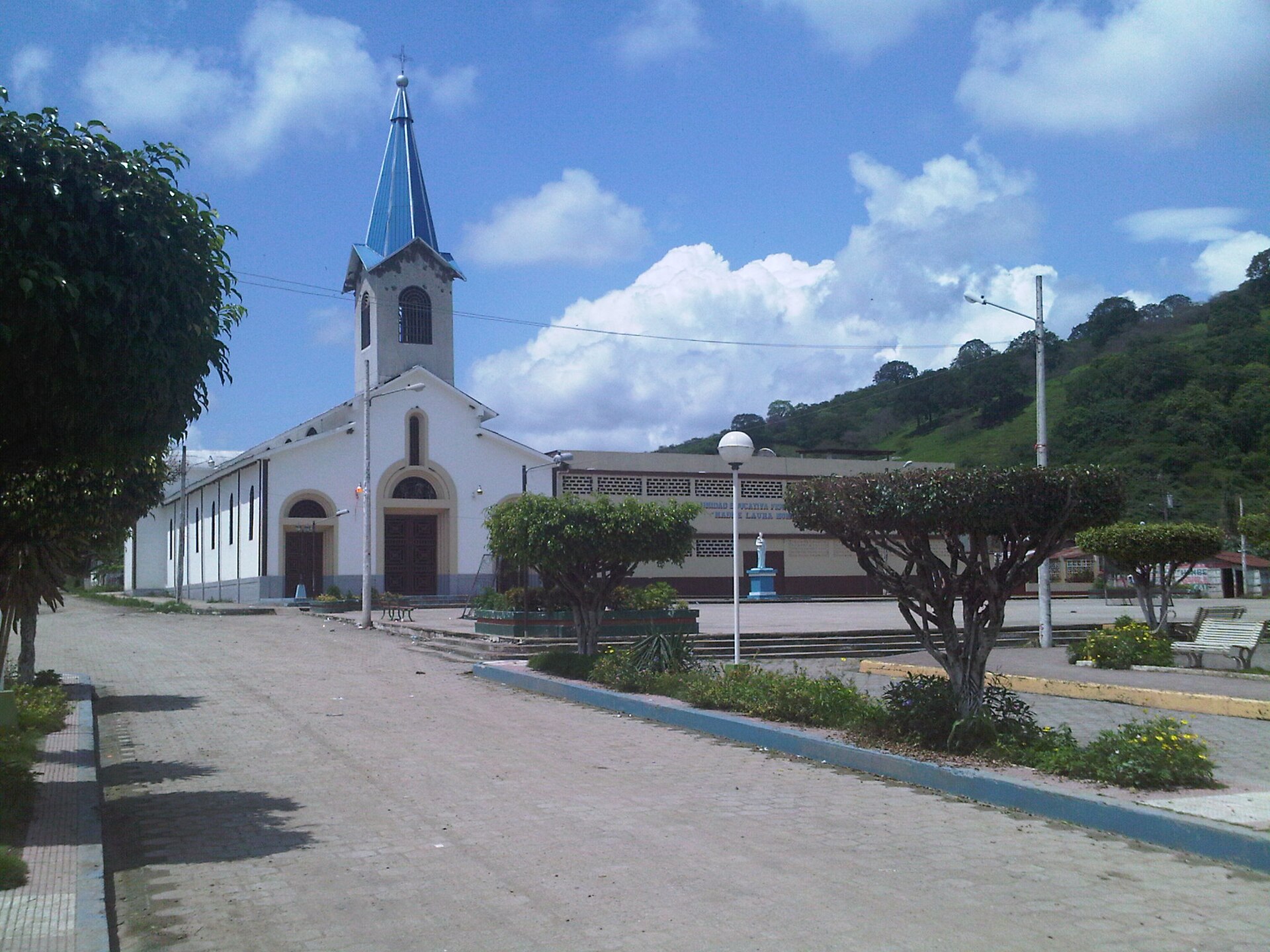
Portoviejo
Introduction
Portoviejo, also called San Gregorio de Portoviejo, is the capital of Ecuador's Manabí Province. It sits roughly 30 km inland from the Pacific coast, close enough to the sea to feel its influence while remaining a city of the interior.
The city is still known as the city of the "Royal Tamarind Trees," a name that recalls the tamarind plantations that once grew in the surrounding area.
Before you go
Portoviejo is the capital of Manabí province, founded by Spanish conquistadors in the 16th century and known for its royal tamarind trees. The city was badly affected by the 2016 earthquake, so it is worth checking current conditions before you travel and planning around whatever recovery work is still under way.Getting there
Portoviejo is served by buses from Manta, Quito and Guayaquil, so you can reach the city overland from several directions. Which route you choose depends on where you are arriving from, but all three connect you directly to Portoviejo by bus.
Getting around
Portoviejo has no rail, metro, or tram network, so you get around by bus, taxi, and on foot. Local buses run routes across the city and are the cheapest way to move around, with most parts of Portoviejo reachable by bus; fares are typically paid in cash on board, so keep small change handy. Taxis are straightforward, especially for trips that are awkward by bus or when you are carrying luggage, and it is sensible to agree on the fare or confirm the meter before setting off. Ride-hailing apps can be used where drivers are available, though availability may be more limited than in larger cities.
Central Portoviejo is compact enough that walking is practical for many points of interest: the Metropolitan Cathedral of Jesus the Good Shepherd and Central Park Vicente Amador Flor are both centrally located, so a downtown base lets you cover a good deal on foot. The climate is hot and semi-arid with a long dry season and a short wet season, so walk in the cooler parts of the day with water on hand. For outlying attractions such as the Mamey Ecological Park, the Forest Park in the north, or the botanical garden in the northeast, take a bus or taxi, and arrange your return trip in advance since taxis and ride-hailing may be less readily available outside the centre. Portoviejo's own airport is closed to commercial traffic, so you fly into Eloy Alfaro International Airport in Manta and continue by road, by taxi, or by intercity bus; a taxi from Manta is the simplest door-to-door choice if you arrive with luggage or late in the day.
Where to stay
Portoviejo's accommodation is concentrated along Manabí Avenue, the city's main artery, where you'll find the Hotel Ceibo Real at the corner of Pio Montufar Street. It's a practical base if you want to be on the main thoroughfare rather than tucked away in a quieter corner of the city, and the staff speak both Spanish and English, which makes check-in and local enquiries easier if your Spanish is limited. Both single and double rooms are available.
Food & drink
For hearty Tex-Mex barbecue, head to Che Cactus on Avenida Manabi in the Los Mangos sector, where the cooking is rich and meaty.What to see and do
Portoviejo's most central green space is La Rotanda Park, a convenient starting point for exploring the city on foot. Beyond the urban core, the coast is the main draw for active travellers.
- La Rotanda Park – a city park worth a wander
- Crucita Beach – one of Ecuador's best spots for paragliding and kite-surfing
When to go
Portoviejo is very warm to hot all year, so your choice of season is less about temperature than about rain. The lengthy dry season runs from May to December, when conditions stay very warm to hot and rain is scarce, making this the most predictable stretch for getting around the city and the surrounding area.
The wet season is short but erratic, shaped by the El Niño Southern Oscillation. In El Niño years rainfall can reach several times the long-term average, bringing heavy rain and the travel disruptions that come with it. If you want to avoid that uncertainty, plan your visit within the May-to-December dry season.
Three days in Portoviejo
Day one: Base yourself in Central Portoviejo, where the Metropolitan Cathedral of Jesus the Good Shepherd and Central Park Vicente Amador Flor anchor the city centre. Wander the streets around the park to get your bearings, then take a taxi to the Mamey Ecological Park or the Forest Park for a quieter look at the surrounding greenery. In the evening, eat along Avenida Manabi or near La Rotanda Park, where local places such as Che Cactus and Tex Mex serve straightforward food.
Day two: Head out early to San Gregorio and the Royal Tamarind Trees, a day trip that shows you the rural side of Manabí Province. Back in the city, use the afternoon to explore more of Central Portoviejo on foot, including Pio Montufar Street, and to sample Manabí cooking in the Los Mangos area. Taxis are the easy way to link these stops, and a ride across town is short.
Day three: Make for the Pacific coast at Crucita Beach, within reach of Portoviejo and a change of pace from the city. If you are leaving the region, Eloy Alfaro International Airport serves the area, with Manta, Quito and Guayaquil as the main reference points for onward travel. Spend your last hours back in Central Portoviejo, perhaps near Manabí Avenue, before you go.