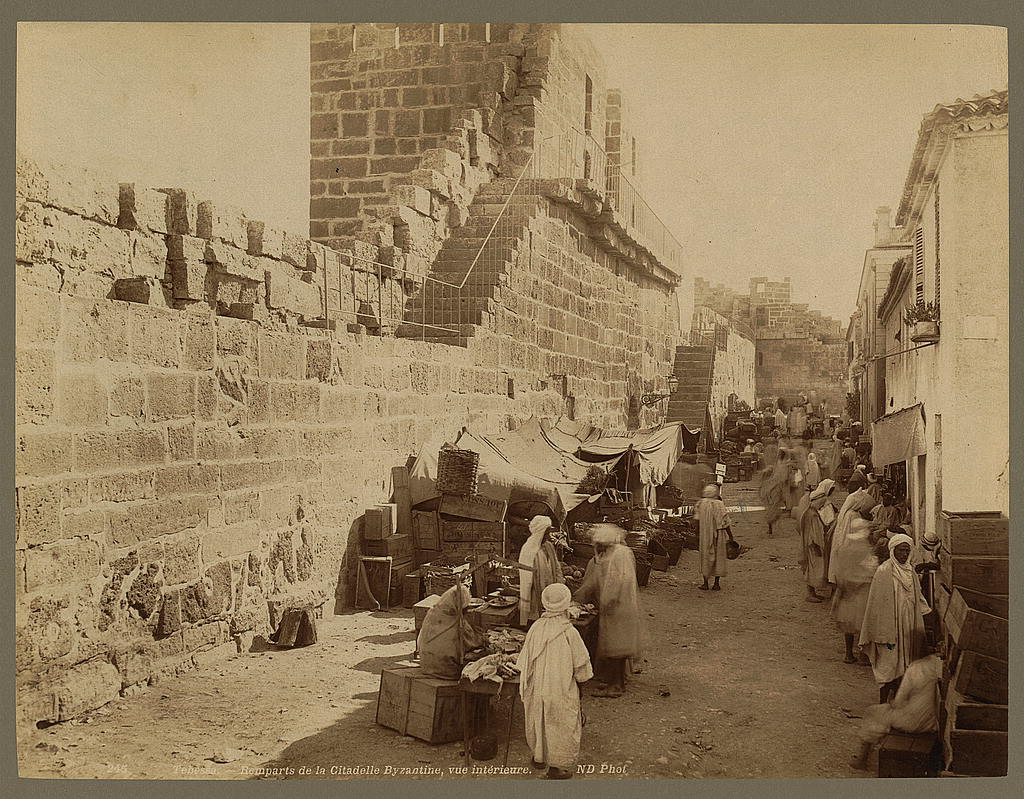
Tebessa
Introduction
Tébessa, known in classical times as Theveste, is the capital of Tébessa Province in northeastern Algeria, set close to the border with Tunisia. Its most notable landmark is the wall that surrounds the city, along with its gates.
The city is also known for its traditional Algerian carpets, and it hosts several other historical landmarks beyond the wall.
Getting around
Tebessa is a city best explored on foot in the centre, with taxis filling in the gaps for outlying areas. The city centre is walkable, which makes it the simplest way to reach the main sights and get a feel for the place. Several landmarks sit within reach of a stroll: the wall that surrounds the city and its gates is the most notable, and the archaeological museum, the Arch of Caracalla, the Roman theatre, the Temple of Minerva, the amphitheatre, and the remains of the basilica of St. Crispina are all part of the historic fabric. Plan your sightseeing for the morning or before sunset to avoid the midday heat and get better light on the archaeological zones. Dress modestly, covering shoulders and knees, especially in the old quarters, ask permission before photographing people, and do not photograph police checkpoints, military facilities, or administrative buildings.
There is no metro or tram network, so getting around relies on walking, taxis, buses, and shared taxis, with rail serving longer-distance travel. Taxis are the practical way to reach outlying areas beyond the walkable centre; if the taxi has no meter, agree the fare before boarding. Shared taxis (taxis collectifs) are a cheaper alternative for intercity travel, departing when full. Buses are the budget option for connecting the region to key hubs, with regional links from Annaba, Constantine, and Tozeur in Tunisia. Tebessa has a railway station within the city limits and a direct rail line to Algiers, including a night train with sleeping berths that takes the full night. The city is served by Cheikh Larbi Tebessi Airport, a few kilometres from the centre, with mainly domestic flights usually connecting via Algiers; from the airport, the short distance makes a taxi the obvious choice. Annaba and Constantine airports are alternative hubs with broader networks, from which you continue by bus, shared taxi, or car. Ride-hailing is not described in the available information, so plan on conventional taxis and shared taxis rather than app-based services.
When to go
Tébessa has a humid subtropical climate, which means hot, fairly dry summers and mild, somewhat wetter winters. If you visit in summer, expect strong heat and little rain; plan your days around the heat rather than hoping for wet weather to break it.
Winters are mild rather than severe, but they are the wettest part of the year, so rain is more likely then. Pack for warmth and occasional showers if you travel in this season.
Three days in Tebessa
Day one: Start in Tébessa, the city also known as Theveste, in Tébessa Province, Algeria. Begin with the Roman remains that give the place its weight: the Arch of Caracalla, the Roman Temple of Minerva, and the Basilica of St Crispina. Plan your dress for the season, because winters here are bitterly cold and you will want layers. In the evening, eat where the locals do and keep the day simple.
- Arch of Caracalla
- Roman Temple of Minerva
- Basilica of St Crispina
Day two: Use Tébessa as your base and take a shared taxi or bus to reach the surrounding sites. Several of the Roman remains sit close enough to string together in a single day. If you prefer to move at your own pace, taxis are the easier option. Return to the city before dark.
Day three: Look outward. Annaba, Constantine, Tozeur and Algiers are all reachable from Tébessa, and Tunisia lies close by if you are continuing overland. Cheikh Larbi Tebessi Airport serves the city if you would rather fly out. Pack for cold winters and warm, dry summers, and leave time for one last walk through the streets of Tébessa before you go.