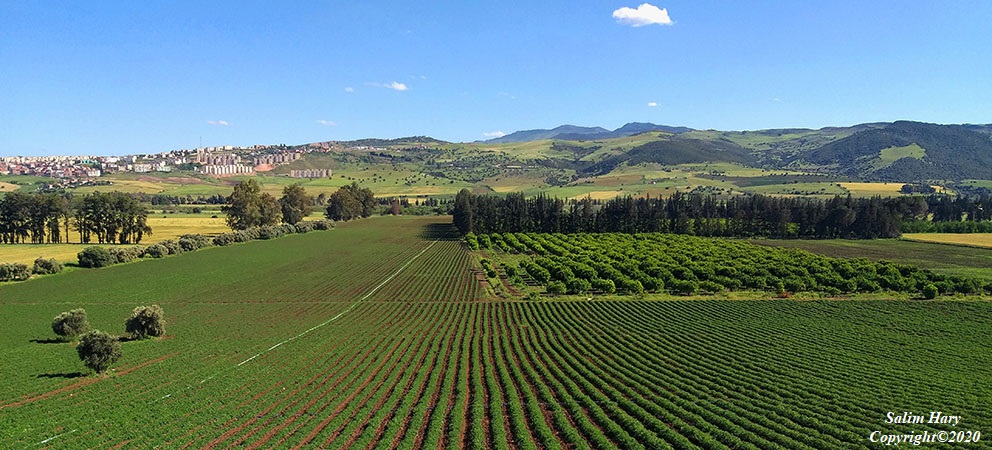
Guelma
Introduction
Guelma is the capital of its province and district in north-eastern Algeria, set inland about 52 kilometres from the Mediterranean coast. The city stands on the site of the ancient Roman city of Calama, so its story reaches back to antiquity.
Before you go
Guelma has a long layering of history behind its streets: it began as a Phoenician town called Malaca, became the Roman Calama in the province of Numidia, and later fell under Byzantine rule before being abandoned as a formal settlement for centuries. The modern city was re-established during the French period and grew around the Roman ruins, first within the restored Byzantine walls and later beyond them. Knowing this helps you read the city as you walk it, and it's worth remembering that the Roman theatre was restored in the early 20th century and that the El-Atik Mosque, the city's oldest still-operating religious building, dates from the 1830s.
On practical matters, Guelma is generally a very safe city compared with many places in Europe, though that doesn't necessarily extend to the suburbs. Try to look as little like a tourist as possible; dressing like a local helps you blend in and tends to get you a better reception from merchants, who will often quote actual prices rather than inflated tourist ones. Many people here speak French first, then English, then Spanish, so a polite "no thank you" followed by simply ignoring touts usually does the job.
Getting there
Guelma has no airport of its own; the closest one is Annaba airport, which handles international flights with Air Algérie to Istanbul, Lyon, Marseille, Paris CDG and Paris Orly. Domestic connections with Air Algérie run to Algiers and Oran, while Tassili Airlines flies to Algiers, El Oued and Hassi Messaoud. From Annaba you continue overland to Guelma.
Getting around
Guelma is compact enough that you can cover much of the centre on foot. The city grew up around its Roman ruins, first inside the restored Byzantine walls and later outside them, so the main mosque, the central sights and the commercial streets sit within a walkable core. Walking is also the best way to take in the mix of ancient and colonial-era fabric. Base yourself centrally and you can reach the sights on foot while catching buses or taxis for the longer hops.
There is no metro or tram in Guelma, and you should not assume ride-hailing apps operate here; buses and taxis are the reliable options. As a provincial capital and regional crossroads, the city is a natural hub for buses to the coast and to inland wilayas such as Constantine, Oum El Bouagui and Souk-Ahras. Taxis suit trips too long to walk comfortably or when you are carrying luggage, and arranging one through your hotel is the safer plan. The railway crossed the city from west to east and development grew up near it, so if you arrive or leave by train, treat the station as a practical anchor for the eastern and western sides of town. For the hot springs at Hammam Debagh or Hammam Ouled Ali, arrange transport in advance, as they lie outside the city.
Where to stay
Guelma has plenty of small hotels and hostels, both in the centre and near the main sights, so you can usually find a room without booking far ahead. Expect the basics at this level: communal showers and toilets, and hot water that costs extra, so ask about it when you check in.
Food & drink
The source material for Guelma's food and drink contains no listings, so there is nothing specific to recommend.What to see and do
Guelma's sights are compact and rooted in its Roman past. The Roman theatre is the centrepiece for most visitors, and the town's mosques—Ghar Hiraa, Martyrs, and Bilal Ibn Rabah—round out a short but worthwhile circuit of landmarks. For something different, head out to the Hammam Debagh hot springs, the area's best-known natural attraction and a good half-day excursion from town. The source lists no further activities, so plan your time around these sites rather than expecting a packed schedule.When to go
Guelma has a hot-summer Mediterranean climate, with wetter winters and drier summers. Winter is the wettest part of the year, so expect more rain than at other times; days are cooler than in summer, though the climate stays generally mild. Summer is the hot, dry season, with little rainfall compared to winter, so plan for heat and dry conditions.
Three days in Guelma
Day one: Base yourself in Guelma and get your bearings on foot, since walking is the easiest way to take in the town's character. Stop by the El Atik Mosque, then spend time with the layers of history that give Guelma its depth, from the Phoenician settlement of Malaca through Roman Calama to the Byzantine and French periods. In the evening, try the local dishes the region is known for.
- El Atik Mosque
- Roman Calama
- Malaca
Day two: Use Guelma as your base for a wider look at the region. The town sits within reach of the Mediterranean and of Annaba, and its Roman and Numidian past is part of the story of Algeria as a whole. Take your time rather than rushing between sights.
Day three: Plan your onward travel. From Annaba you can connect to domestic flights, and Air Algérie and Tassili Airlines serve routes linking Algiers, Oran, El Oued and Hassi Messaoud, while international connections run through Istanbul, Lyon, Marseille, Paris CDG and Paris Orly. Many travellers find it easier to arrange the return leg before leaving Guelma.