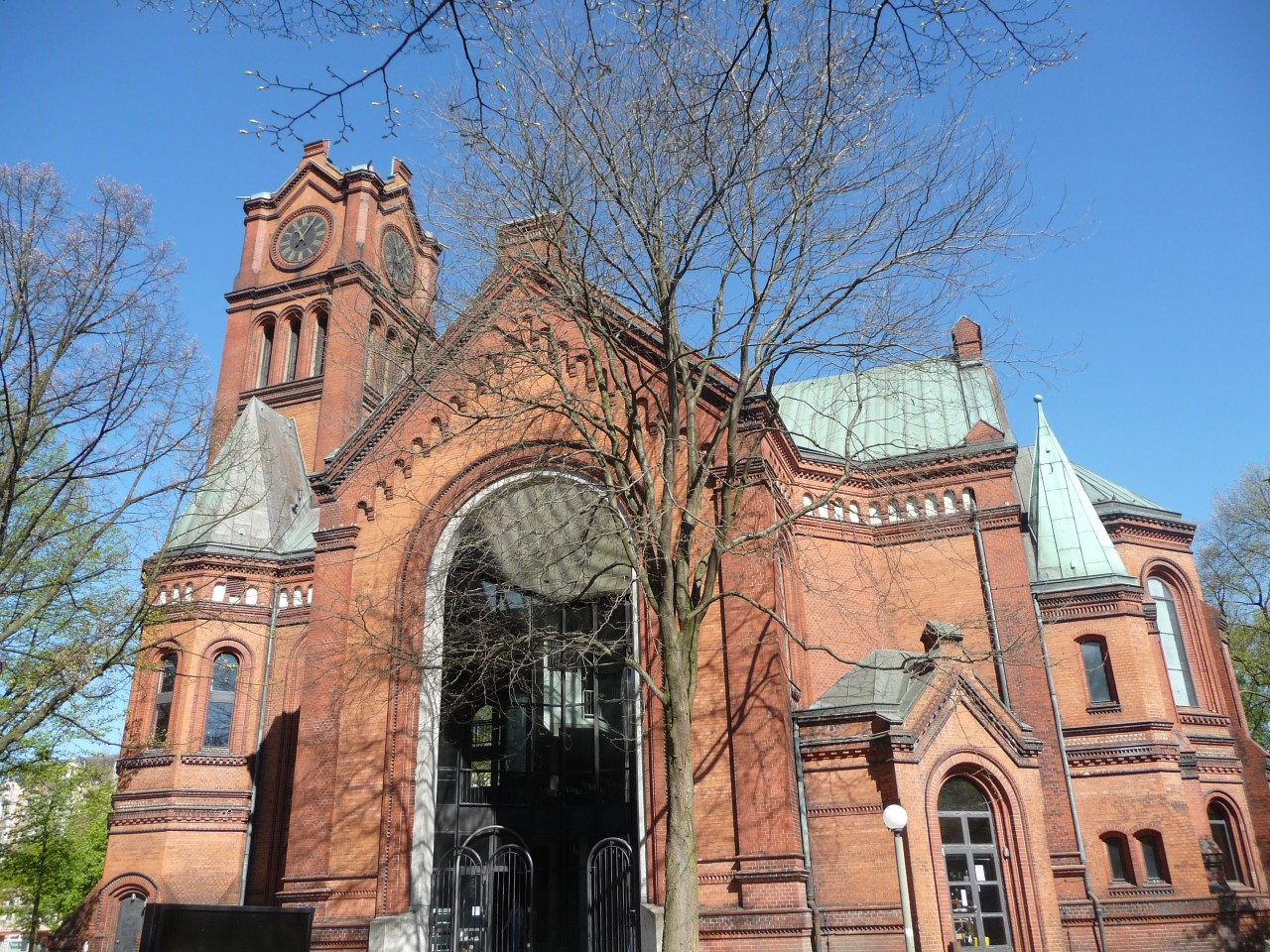
Eimsbuettel
Introduction
Eimsbüttel is one of the seven boroughs of Hamburg, Germany. It is a district of the city rather than a separate destination, so your visit here is a visit to a part of Hamburg itself.
Getting around
Eimsbüttel is one of Hamburg's seven boroughs, sitting just north-west of the centre and made up of nine quarters, from Rotherbaum and Harvestehude in the south to Schnelsen, Niendorf and Eidelstedt in the north. That shape matters for how you move: the southern quarters press right against the central city and the Alster, so much of what you want to see is reachable on foot, while the borough as a whole is large enough that you'll want public transport to hop between quarters. A sensible approach is to walk within a quarter and ride between them. The University of Hamburg is in the borough, which gives the southern part a lively, walkable, student-oriented feel.
Hamburg's public transport is coordinated by the Hamburger Verkehrsverbund (hvv), which runs the U-Bahn, S-Bahn, regional trains, buses and even the harbour ferries as one integrated network — a single ticket is valid across all of them, so you don't buy separate fares when you switch modes. Eimsbüttel is well served, with several U-Bahn and S-Bahn stations plus hvv buses; Hamburg Dammtor railway station, handling both long-distance and city trains, sits in Rotherbaum. Find your nearest U-Bahn or S-Bahn station and treat it as your gateway to the rest of the city. Fares are organised into rings centred on the Alster Lakes: staying within Hamburg usually means the inner rings, while journeys further afield may need a ticket covering more rings, and some regional trains fall inside the broader fare area. Buses fill the gaps the rail network doesn't reach — metro buses run frequently, alongside express, sprinter and regional buses — and for the residential quarters such as Lokstedt, Niendorf or Schnelsen, buses are often the most direct option. Harbour ferries are part of the hvv network and covered by hvv tickets, all stopping at Landungsbrücken, and make an enjoyable way to see the city from the water. On weekdays, U-Bahn and S-Bahn trains generally run from early morning until around half past midnight, with night buses taking over on main routes; at weekends, from Friday through Sunday, they run around the clock, and buses follow similar schedules. Tickets come from hvv machines as single journeys, day tickets or weekly tickets, with day passes cheaper after a certain morning hour, weekly tickets suiting several days of moving around, and the Hamburg CARD combining free city transport with discounts on cultural and leisure activities. The Deutschlandticket is a subscription rather than a one-off purchase but can be worthwhile for stays of a week or longer. Information desks sit on the platforms at larger stations, with Service Points including one at Central Station. Taxis and ride-hailing are most useful late at night once night buses thin out, with luggage, or for the outer quarters where you'd otherwise change buses; for most daytime movement, public transport is quicker and considerably cheaper. Hamburg Airport sits on the northern edge of the city, and the A7 exit serving it lies within Eimsbüttel, so it's effectively on the borough's doorstep if you're staying in the north. The standard approach is the S-Bahn from the airport into central Hamburg, then onward by U-Bahn, S-Bahn or bus — one hvv ticket can cover the whole trip provided it covers the relevant fare rings. By road the airport is reached via the A7, which passes through the borough from north to south.
Three days in Eimsbuettel
Day one: Base yourself in Eimsbüttel and get your bearings in Hamburg. The district sits within the city, so you can use the Hamburger Verkehrsverbund network to move around, and the Hamburg CARD, the Deutschlandticket and standard tickets are all options for fares. Start with Rotherbaum and Harvestehude, then head for the Alster and the Alster Lakes. The University is nearby, and Hamburg Dammtor is a useful rail stop. If you arrive by air, Hamburg Airport connects you to the city, and taxis are available; information and service points, including at Central Station, can help you plan.
Day two: Push further out into the quieter edges of the city. Schnelsen, Niendorf, Eidelstedt and Lokstedt each have their own everyday character, and buses and the Bahn make them reachable. Keep Friday and Sunday in mind when you check tickets, and use the service points if you need help with the Hamburg CARD or the Deutschlandticket.
Day three: Turn back toward the water and the centre. The Harbour and Landungsbrücken give you the maritime side of Hamburg, and you can return to Eimsbüttel, Rotherbaum or Harvestehude for the evening. Find your route on the Hamburger Verkehrsverbund network, and let buses, the Bahn and, if needed, taxis fill the gaps.