Facatativa
Introduction
Facatativá sits in the Cundinamarca Department, about 18 miles (31 km) northwest of Bogotá and high above sea level at 2,586 meters. From the capital it makes an easy excursion into the cool Andean highlands.
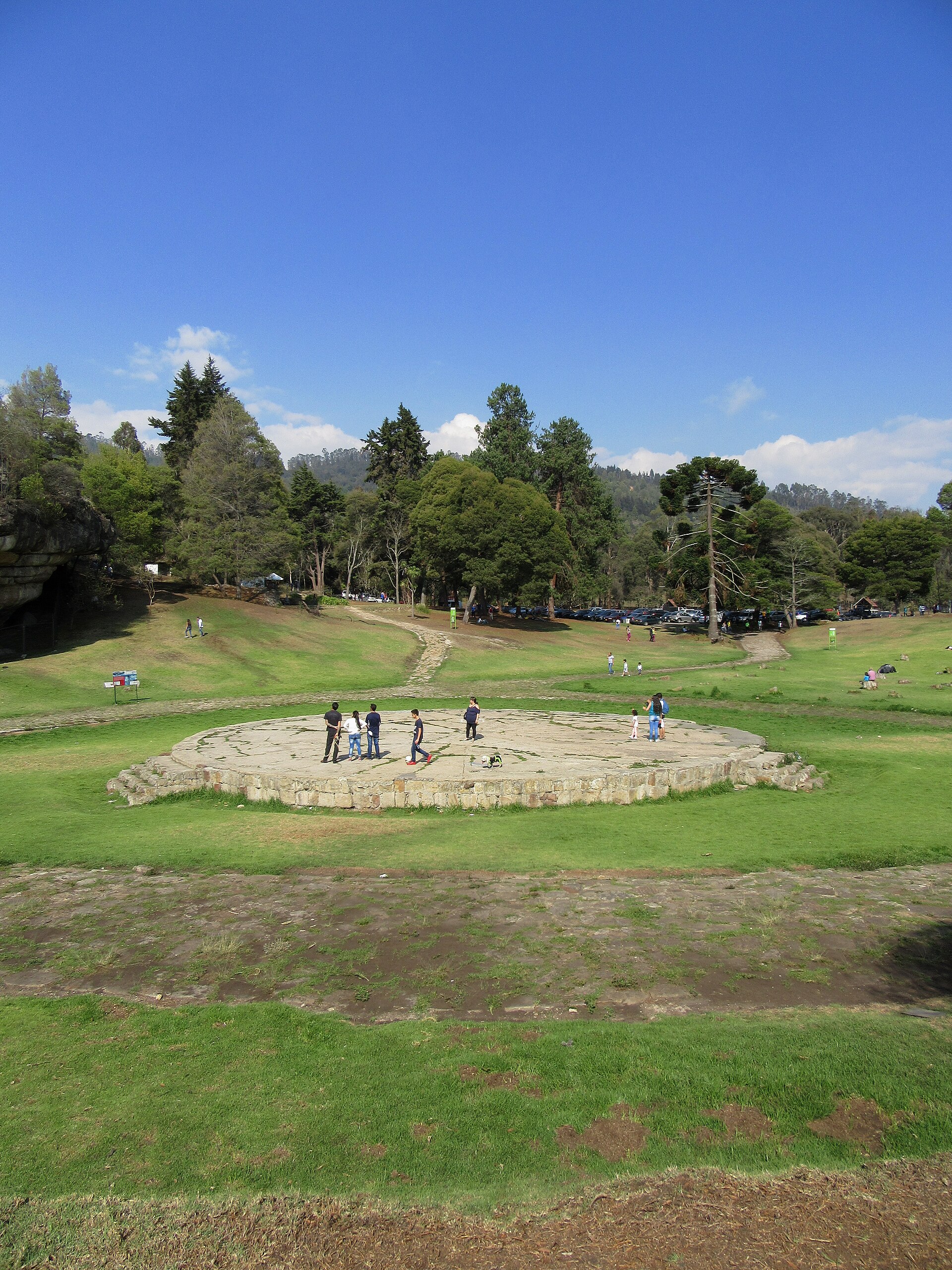
The city's draw is the Archaeological Park Piedras del Tunjo, known to locals as Piedras de Tunja. Its large rock formations were once the bottom of a lake, and the park is the reason most travellers stop here.
Getting around
Facatativá has no metro, tram or urban rail service, so getting around relies on walking, public buses, taxis and ride-hailing. The downtown core is compact and the most walkable part of town: the cathedral sits next to Simón Bolívar Plaza, and the Main Park, Children's Park, Simón Bolívar Park and Santa Rita Park cluster in and around the centre. Several attractions near the terminal are also reachable on foot from the centre, including the Piedras del Tunjo Archaeological Park, the colonial-era Casa Histórica Caseteja Buenos Aires and the KYQA MHUYSQA theme park. Outside the centre, distances stretch out and you will want a bus or taxi.
- Public buses are the main form of collective transport, running along principal streets such as Carrera 1 and Calle 5 — the same routes to flag down if you are heading to the bus terminal. Fares are paid on board in cash; there is no citywide travel card or pass, so plan on paying per trip.
- For anything beyond the city, the Terminal de Facatativá at Carrera 1 # 5-74 is the hub, with operators including Rápido Ochoa, Expreso Brasilia and Auto Faca serving other municipalities in Cundinamarca and destinations across Colombia. Buy tickets at the operator counters inside the terminal or online in advance; an e-ticket is accepted, but you must present it at the operator's counter to exchange it for a boarding ticket. A waiting room and bathroom services are available.
- Taxis and ride-hailing apps are the practical choice for point-to-point trips when you do not want to wait for a bus or walk, and taxis are a straightforward way to reach the terminal from anywhere in the city — particularly useful for early departures or late arrivals.
- Most visitors arrive via Bogotá and continue by road; the reliable option is a long-distance or intercity bus into the Terminal de Facatativá, then a taxi or any public bus along Carrera 1 or Calle 5 into the centre. If you are arriving late, note the terminal's closing time and plan your onward transfer accordingly.
- Children must carry ID, and minors travelling without a parent or guardian need signed authorisation.
Three days in Facatativa
Day one: Start in the centre, where the Simón Bolívar Plaza and the Main Park give you your bearings, then walk to the Casa Histórica Caseteja Buenos Aires to get a sense of the town's past. The Simón Bolívar Park, the Children's Park and Santa Rita Park make easy, unhurried stops as you wander between them, and the KYQA MHUYSQA is worth seeking out for a closer look at the area's indigenous heritage. End the day with a meal in town and an early night.
Day two: Head out of the urban centre to the Archaeological Park Piedras del Tunjo, where the rock formations and the traces left by the area's earlier inhabitants are the main draw. Take your time among the Tunjo sites, then return to Facatativá for a quiet afternoon around the plazas. If you want to press on, Tunja is reachable from the region, but the archaeological park alone can fill a day.
Day three: Use the morning for anything you missed in the centre, then plan your onward travel. Buses run from the Terminal, with Rápido Ochoa, Expreso Brasilia and Auto Faca among the companies serving the town, and taxis are the simplest way to reach the terminal with your bags. From Facatativá you can continue toward Bogotá or elsewhere in Cundinamarca Department, so keep your ID handy for tickets.