Edea
Introduction
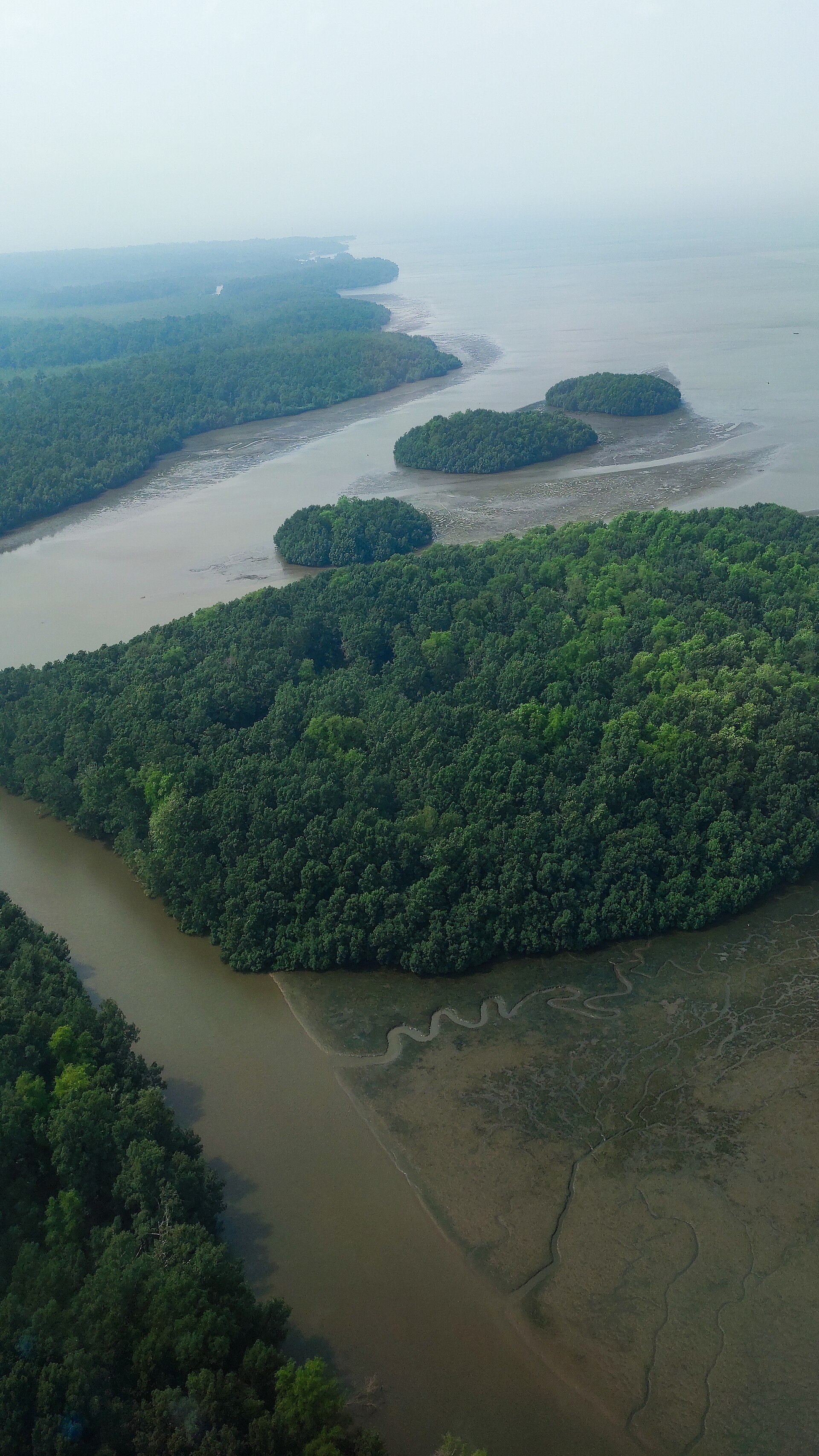
Edéa is a city and commune in the Littoral Region of Cameroon, set on the Sanaga River. It sits on the Douala–Yaoundé–Ngaoundéré railway line, which makes it a natural stop for travellers moving between the coast and the capital.
Getting around
Getting around Edea itself is not well documented, so plan on working out local journeys once you arrive. There is no metro or tram network and no rail-based urban transit to rely on for getting around the city. The clearest picture comes from the Douala–Edea corridor, where buses are the main documented form of public transport. The N3 highway link between Douala and Edea is served by a network of bus routes with numerous stops along the way.
Bus routes in the corridor carry a mix of letter-and-number designations (such as S5, S2, P23, P28, P29, P42, P43, P44, P45 and P62) alongside named routes that describe their endpoints rather than numbers — for example "Village Borne 10 to Ancien Dalip Akwa," "Marche Ndogpassi Village to Rond Point Douche Akwa," and "Ndogpassi Village to Ndokoti." Stops are identified by number as well as by name; one named stop is Marché Ndogpassi. Different stops are served by different combinations of routes, so a given stop may connect you to only some of the available services. If you are travelling along the Douala–Edea road, identify the stop nearest your destination and check which routes serve it, since not every route calls at every stop. Treat taxis and ride-hailing as options to confirm locally on arrival rather than something you can plan in advance, and assess walking routes and conditions on the ground as you would in any unfamiliar city. If you arrive by air, confirm the nearest arrival point and onward connections locally, and expect that the bus corridor along the N3 toward Douala may form part of your journey.
Three days in Edea
Day one: Start in Edéa, in the Littoral Region of Cameroon, and get your bearings along the Sanaga River. Use the town as your base and take time to understand how it connects to Douala, Yaoundé and Ngaoundéré, since getting onward transport is part of the rhythm here. Keep the first day simple and let the river set the pace.
Day two: Head toward Douala and spend the day moving between its markets and landmarks. You can pass through Ancien Dalip Akwa, Marché Ndogpassi and Ndogpassi Village, and use stops such as Rond Point Douche Akwa and Ndokoti to orient yourself. Treat the different quarters as a way to see how the city shifts from one area to the next.
Day three: Return to Edéa and slow down. If you want a quieter close to the trip, spend time around Village Borne and the town itself rather than adding more distance. Use the bus connections to plan your departure, whether you are heading back toward Douala or onward to Yaoundé or Ngaoundéré.