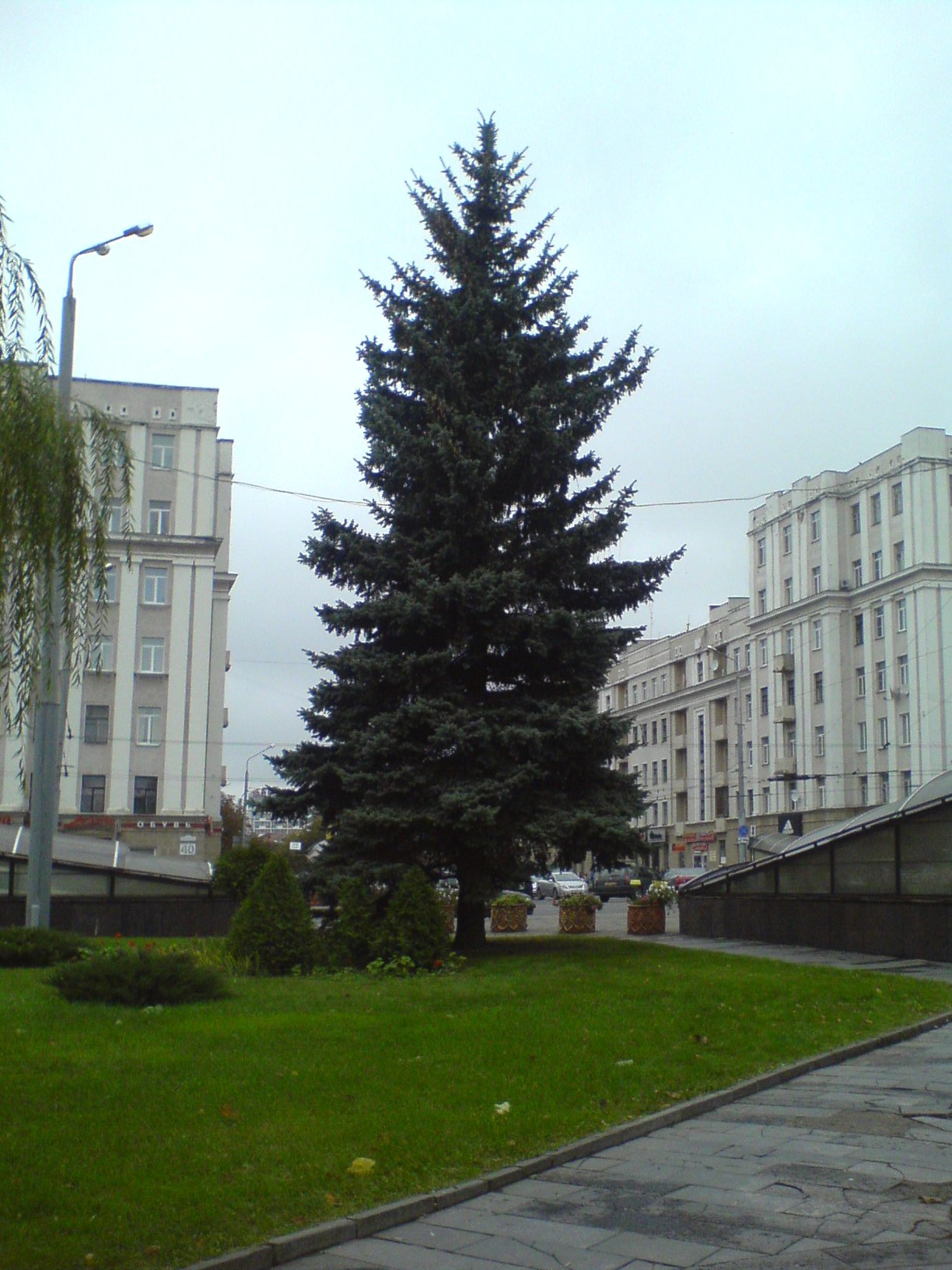
Mahilyow
Introduction
Mogilev, also written Mahilyow, sits in eastern Belarus on the Dnieper River, roughly 76 kilometres from Russia's Smolensk Oblast and 105 kilometres from Bryansk Oblast. It serves as the administrative centre of Mogilev Region.
The city's population has shifted over the decades, from an estimated 106,000 in 1956 to 360,918 in 2011, and standing at 352,896 as of 2025.
Getting around
Mahilyow has no metro, so getting around means trolleybuses, buses, taxis and your own two feet. Trolleybus and bus routes cover the city, and tickets can be bought from vending kiosks at stops, from a conductor on board, or directly from the driver. Validate your paper ticket or tap your card on board, and keep your ticket until you get off, as conductors and validators may check. Rechargeable smart cards that store credit are available and speed up boarding, while day passes and monthly passes suit longer stays. Note that trams do not operate here. Signage and stop announcements are predominantly in Russian and Belarusian using Cyrillic script, so route numbers are clear but place names may not appear in Latin letters; a translation tool on your phone makes a real difference.
- Walking is a realistic way to cover central Mahilyow and the easiest way to get a feel for the city; for longer hops, mapping apps give reasonably accurate directions for the main bus and trolleybus lines.
- Most city buses run into the late evening but not around the clock; after midnight, taxis and app-based ride services become the main way to get around.
- Ride-hailing apps let you set a pickup point, see an estimated fare, and pay by cash or card at the end of the trip, which is often the most comfortable option late at night or with luggage; you will want mobile data to use them.
- Card acceptance varies outside Minsk, so carry small notes and coins for paper tickets.
- Fare evasion is taken seriously: fines apply on all urban transport, on regional trains and suburban buses, and on interregional and international trains, intercity and private buses, with the highest penalties on the longer-distance services.
When to go
Mogilev has a warm-summer humid continental climate, which means the year splits into a warm season and a cold one. Summer is the most comfortable stretch for being outdoors, with the mildest conditions of the year — and, as a result, the heaviest demand for lodging. If you want to spend your days outside, plan around these warmer months and book your accommodation early.
Winter, by contrast, is cold, so a visit means bundling up against the chill. Daylight is short and outdoor sightseeing is less inviting than in the warmer months, so you will want to weight your plans toward indoor pursuits if you come during this season.
Three days in Mahilyow
Day one: Start in the centre of Mahilyow and get your bearings on foot along the Dnieper River, which runs through the city. Walking is the easiest way to cover the central streets, and most of what you want to see is within reach. Signage around town appears in Cyrillic, so a little practice with the Russian and Belarusian alphabets helps; some signs also carry Latin transliteration. If you arrive from Minsk, you can reach Mahilyow without difficulty, and the city makes a manageable base for the days ahead.
Day two: Use the trolleybus network to move between neighbourhoods rather than retracing the same central streets. You need a rechargeable card for the ride, so sort that out early and validate it each time you board. Note the fare rules before you travel, and keep in mind that the system is the practical way to cover longer distances across Mogilev Region's main city. This is also a good day to look beyond the centre toward the edges of Mahilyow, where the everyday city continues past the sights.
Day three: Head out of the city if you have time, since Mahilyow sits within reach of the borders with Russia's Smolensk Oblast and Bryansk Oblast. In summer the daylight lasts long, so an afternoon trip is easy to fit in; in winter the daylight is short and the cold is bitter, so plan around the earlier dusk. Back in the city, spend your last hours along the Dnieper River before you leave Belarus.