Barysaw
Introduction
Barysaw, also known as Borisov, is a city in Minsk Region in central Belarus, and serves as the administrative center of Barysaw District. It sits on the Berezina River, north-east of the capital Minsk, which places it within reach of the capital while keeping its own distinct identity as a regional center.
Before you go
Barysaŭ is tied to one of the most storied episodes of Napoleon's Russian campaign: the Battle of Berezina was fought near the town in November 1812. Expect bitterly cold weather if you visit in winter, and plan accordingly.
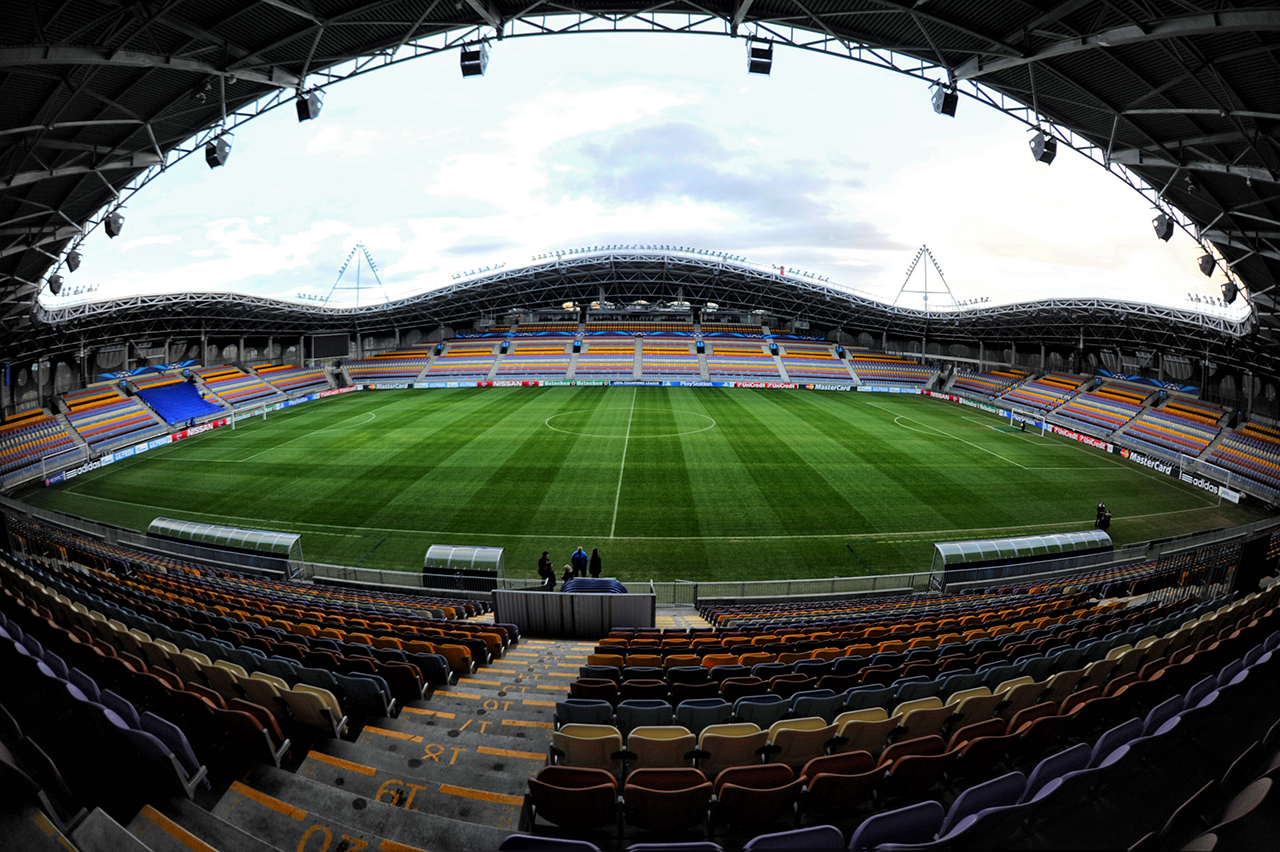
For most visitors today, the likeliest draw is football. The local club BATE is the country's most successful team, and the town's football arena hosts matches in international tournaments, so check the fixture schedule before you travel if you hope to catch a game.
Getting there
Barysaŭ sits on the Minsk–Orsha railway line, so the train is the most straightforward option if you're coming from Minsk or continuing along that corridor.
Buses and marshrutkas also connect the town with the capital. From the Uručča metro station in Minsk you can pick up the 3500ск marshrutka, and the 500э and 615 buses run to Barysaŭ as well.
Getting around
Barysaw has no metro and no tram network, so within the city you'll rely on buses, minibuses, taxis and your own two feet. The town is split by the Berezina River into an old part and a new part, joined by just two bridges, so plan your crossings rather than assuming you can cut straight across. If you arrive by train you'll start in the new part of town, where the railway station, the central square, the city administration and the main administrative buildings all sit; much of this half is walkable, and walking is a good way to take in the mix of large modern apartment blocks and the single-family homes on the outskirts. Distances within each half are manageable on foot, but the river crossing means the two sides aren't always a quick stroll apart.
For trips to and from Minsk, buses and marshrutkas (fixed-route minibuses) are the main options, departing from the area of the Uručča metro station in the capital — look for the 3500ск marshrutka or the 500э and 615 buses. Pay on board or to the driver and carry small change. Taxis are practical for short trips, for reaching the station with luggage, or for crossing between the old and new parts of town, and ride-hailing apps work as they do elsewhere in Belarus; agree the fare or confirm the app price before setting off. Barysaw has no airport of its own, so international visitors arrive through Minsk and continue overland by train, bus, marshrutka or car — allow time for the connection, and if you're arriving late in the day a taxi or pre-arranged ride is the least risky choice. The climate is humid continental, with cold winters and warm summers, so dress and plan accordingly.
Where to stay
Accommodation in Barysaw is limited to a small number of options. One is Gostinica OAO Borisovskii Mjasokombinat on Ulitsa Maksima Gor'kogo, and another is Hotel Berezina on Revolution Avenue.
Because the choice is so small, it is worth arranging your room before you arrive rather than leaving it until you reach the city.
Food & drink
The source material for Barysaw contains no listings for eating or drinking, so there is nothing to recommend here.What to see and do
Start at the Barysaŭ United Museum, where the first two rooms cover the city's ancient history and the 1812 French-Russian war, and the remaining three are devoted to the Second World War. Nearby, Ivan Kolodeev's Manor House is worth a look; if you come in winter, you may need to call ahead and reserve your visit. Also make time for the Church of the Resurrection, a 19th-century Orthodox church.
For a match, head to Borisov Arena, about 3 km south of the centre along Gagarin Road, where FC BATE Borisov plays in the Premier League, Belarus's top tier. The club often does well and qualifies for European competitions, and the stadium also hosts internationals. The playing season runs from March to November.
When to go
Barysaw has a humid continental climate, with cold winters and warm summers. Winter brings a chill that shapes daily life and travel, so pack for genuinely cold conditions and keep indoor activities in reserve as a backup. Summer is warm and the most comfortable stretch for being outdoors, making it the easiest season for exploring the town and its surroundings.
Three days in Barysaw
Day one: Start in the centre of Barysaw and orient yourself along Revolution Avenue, where the town's everyday life plays out. Visit the Barysaŭ United Museum for an introduction to the area's history, including the French and Russian armies' crossing of the Berezina River in November during Napoleon's retreat and the fighting of the Second World War. Nearby, the Ivan Kolodeev Manor House gives a sense of the district's older rural life.
Day two: Follow the Berezina River, the feature that has shaped Barysaw's story, and take time to understand the Battle of the Berezina and its place in the wider campaign. Because the town sits in Minsk Region within Belarus, it makes a manageable base for exploring the surrounding Barysaw District. Buses connect Barysaw with Minsk and Orsha, and taxis are available if you prefer to cover distances more directly.
Day three: Pay a visit to the BATE football ground if a match is on, then settle into the town's accommodation for a quiet final evening. Expect warm and humid summers and bitterly cold winters, so plan your walking accordingly. For onward travel, buses run from Barysaw toward Minsk and Orsha, and you can reach Uručča and other points via Minsk if you are continuing your journey.