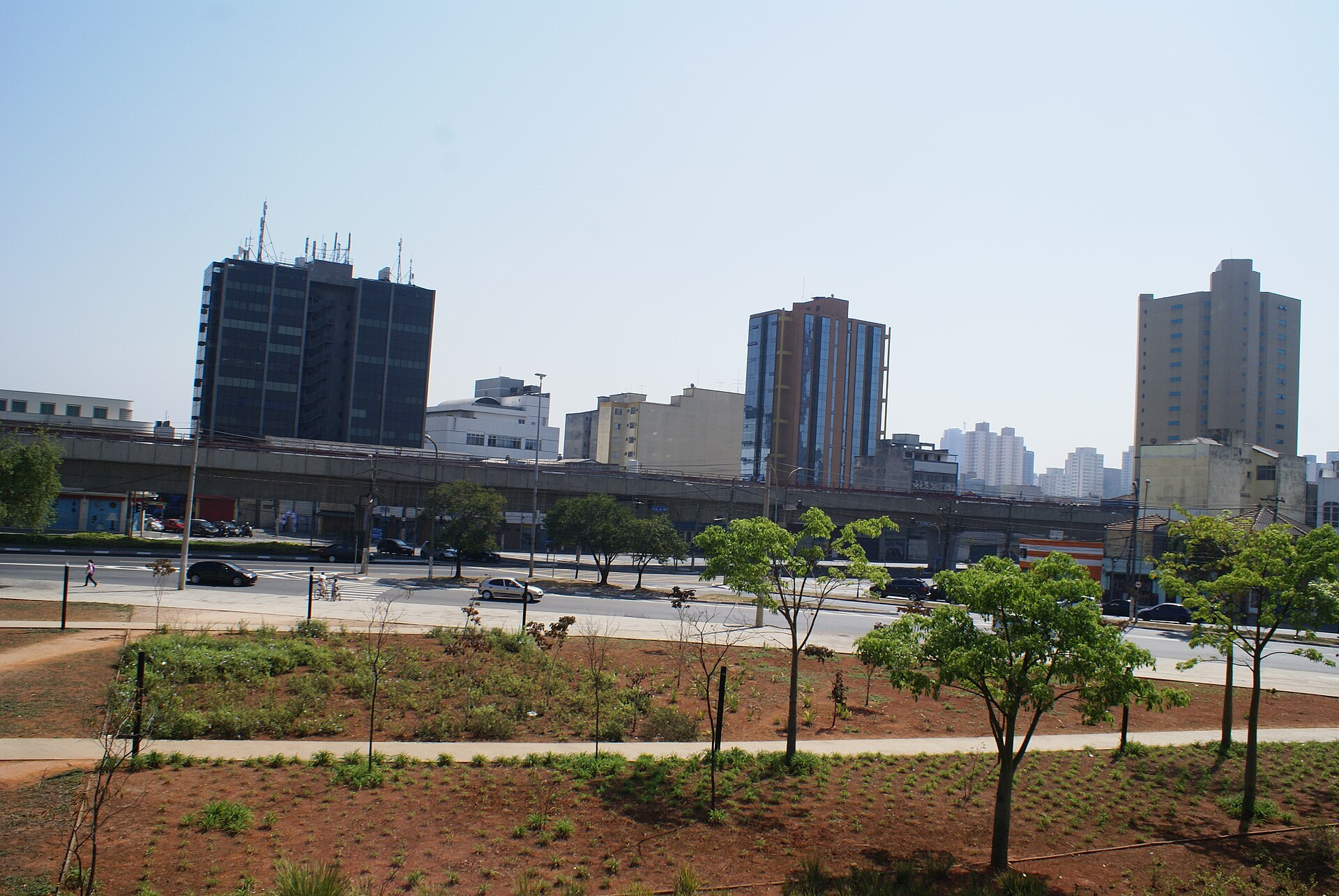
Santana
Before you go
Santana sits almost on the equator, with the Amazon — the planet's second longest river — lying to the south. Expect equatorial conditions: warm and humid, so pack light, breathable clothing and rain protection rather than anything heavy.
The city has grown into the main harbour and industrial centre for the state, and is its second most populous city. Plan around that working-port character: it is a hub of shipping and commerce rather than a resort town, so set your expectations accordingly before you arrive.
Getting there
Macapá International Airport – Alberto Alcolumbre (MCP) is the airport serving the area, with flights from Brasília, Belém and Campinas on GOL, LATAM and Azul. From the airport you can reach Santana by taxi, with fares negotiable.
By road, the main federal highway through the city is BR-156. It is largely paved but has many holes, and not every stretch is paved. Santana Bus Terminal has direct buses from Macapá, Laranjal do Jari, Mazagão, Porto Grande and Oiapoque.
Getting around
Santana has no rail, metro or tram network, so buses, taxis and walking cover essentially all local travel. The metropolitan area bus network is the workhorse for everyday movement within the city and for trips across to neighbouring Macapá, which functions with Santana as a single metropolitan area. Services are organised around that wider area rather than a single city, so ask locally which route serves your destination before you set out. Walking works well for short hops within a neighbourhood or between nearby destinations; for longer cross-town trips, or the run between Santana and Macapá, plan on a bus or a taxi instead.
Taxis are available and useful for direct trips when bus routes do not line up with where you are going. Fares are negotiable, so agree the price up front before you set off. If you arrive overland, long-distance coaches pull in at Santana Bus Terminal, with direct services from Macapá, Laranjal do Jari, Mazagão, Porto Grande and Oiapoque. By road, the principal federal highway through the city is BR-156; it is largely paved but has many holes and some unpaved stretches, so build in extra time and do not assume a smooth, fast run. Santana has no commercial airport of its own: fly into Macapá International Airport – Alberto Alcolumbre (MCP), served from Brasília, Belém and Campinas by GOL, LATAM and Azul, then continue by taxi or metropolitan bus, allowing time for that final leg.
Where to stay
The source material for this city contains no accommodation information, so there is nothing to say about where to stay.Food & drink
Santana's eating scene is modest, with Flora Restaurante on Rodovia Salvador Diniz standing as the one named place to sit down for a meal. Plan your dining around this option rather than expecting a wide spread of choices.
What to see and do
Santana's waterfront is where you can watch the working port in action: cargo being loaded and unloaded, including imported products and pine chips, plus manganese pellets handled at the floating port. In the centre of town, Praça Cívica is the natural gathering point, ringed by small restaurants and pizzerias and facing the Church of Nossa Senhora de Fátima and Sant'Ana.
- Cross to Santana Island for Balneário Recanto da Aldeia, a seaside resort that draws crowds at weekends.
- Time your visit around the Círio de Nossa Senhora de Nazaré, the city's biggest event, held on the third Sunday of October.
- Take in a football match: Independente Esporte Clube play at Estádio Antônio Vilela, known as Vilelão, while Santana Esporte Clube are at home at Estádio Municipal de Santana.
Three days in Santana
Day one: Expect to arrive via Macapá International Airport (MCP), served by GOL, LATAM and Azul on routes from Brasília, Belém and Campinas. From there, head to Santana by BR road or bus; Santana Bus Terminal is the arrival point for services from Macapá, Laranjal, Jari, Mazagão, Porto Grande and Oiapoque. Plan a gentle first afternoon around the Praça Cívica, where the Church of Nossa Senhora de Fátima and the Church of Sant'Ana sit near the cross, then eat at Flora Restaurante on Rodovia Salvador Diniz.
- Arrive at MCP and transfer to Santana
- Walk the Praça Cívica and its churches
- Dinner at Flora Restaurante
Day two: Give the day to the Amazon. Santana sits on the river, and the water and its traffic are the reason to be here. Walking is fine for the town itself; taxis are useful for reaching the riverfront and outlying spots, and fares are best agreed before you set out. If you want a longer look at the river, ask locally about boat services along the Amazon.
- Spend the day on and around the Amazon
- Use taxis for the riverfront; agree fares first
Day three: Use Santana as a base for the surrounding municipalities. Buses from Santana Bus Terminal run to Mazagão, Porto Grande, Laranjal and Jari, and Oiapoque is served on the same network. If your onward travel is by air, return to Macapá International Airport for flights to Brasília, Belém or Campinas with GOL, LATAM or Azul.
- Day trip to Mazagão, Porto Grande or Laranjal
- Return to MCP for onward flights