Rio Claro
Introduction
Rio Claro is a city in the state of São Paulo, Brazil, set at an elevation of 613 metres. It was incorporated as the village of São João Batista do Ribeirão Claro in 1827, and that incorporation is celebrated every year on June 24 as a municipal holiday.
Getting around
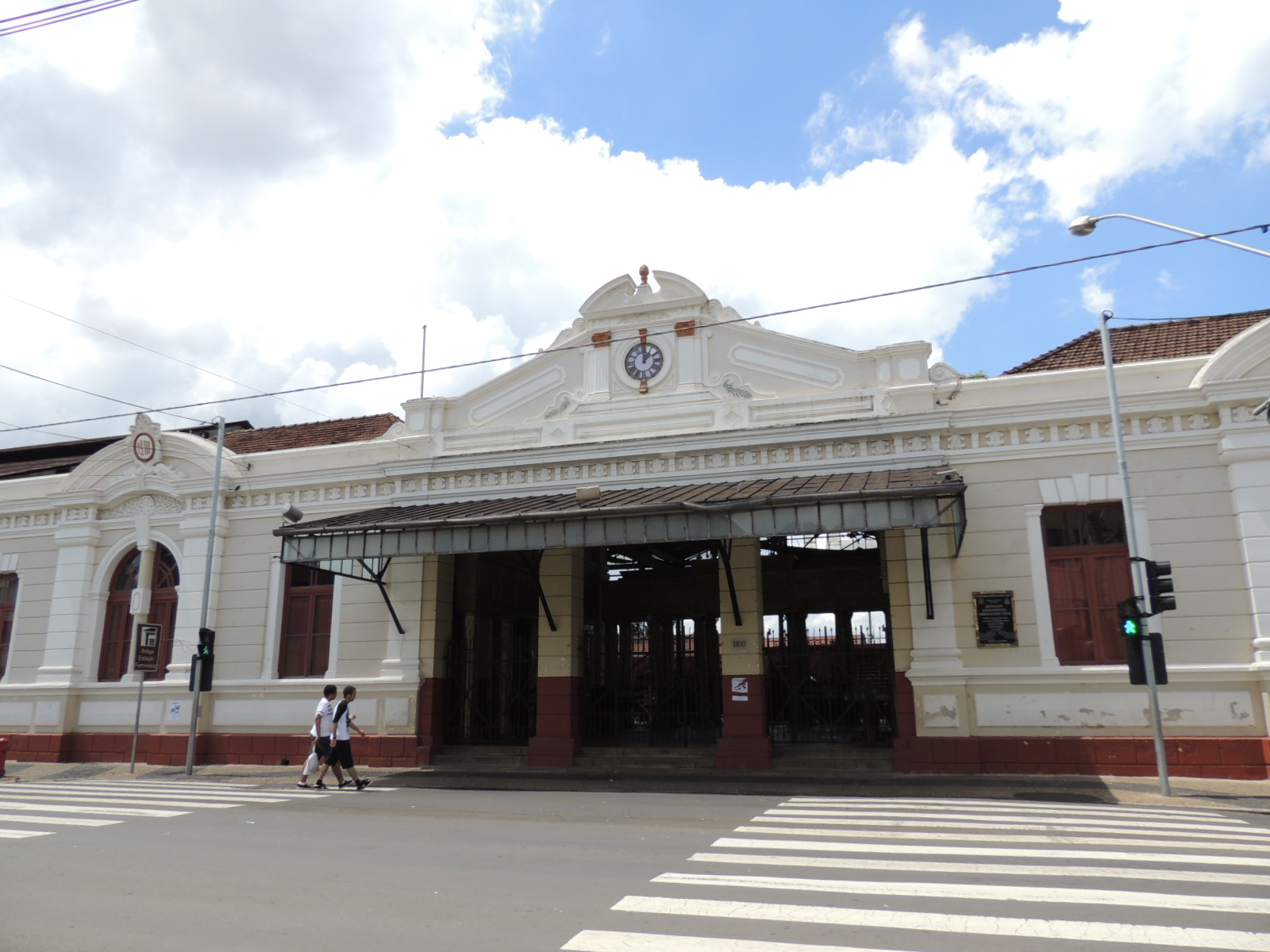
Local buses are the main way to move around Rio Claro, and they all converge on the central urban bus terminal, which sits directly along the platform area of the historic railway station in the central district. Treat that terminal as your reference point: buses connect the station hub with neighbourhoods across the city, so it is the natural place to start or transfer, and because it sits in the centre you can step off a bus and straight into the central district. The station itself, inaugurated in 1911 and a designated state heritage site, now functions as a cultural centre and is wheelchair-accessible; allow an hour or two for a visit, longer if you stop for coffee or wander the surrounding streets.
The compact centre is well suited to walking, with coffee shops, restaurants and other urban attractions within walking distance of the station. Praça dos Ferroviários adjoins the station and offers open areas, a skate park and an arena theatre, while the station's historical facade and platform areas make for the standout photo stops on a short stroll. If you drive in, street parking and nearby public parking facilities are available in the central district, though no dedicated station parking is described, so plan to park nearby. Taxis and ride-hailing are not documented in the available sources, so confirm those options locally on arrival. The same applies to airport transfers: no airport or airport-to-city route is identified, so aim for the central bus terminal at the station, which is the hub for onward local buses and the gateway to the centre.
Three days in Rio Claro
Day one: Start in Rio Claro itself, getting your bearings in the centre before heading to Praça São João Batista, the square that anchors the heart of the city. It is a good place to sit and watch the town go about its business, and to plan the rest of your stay. In June, the local Festa de São João Batista brings the square to life, so if your visit falls in that month you will find music, food stalls and crowds rather than a quiet afternoon.
Day two: Take a day trip to São Paulo, the state capital, which is within reach for a long day out. It is a complete change of scale from Rio Claro, and you can spend your time exploring its central districts before returning in the evening. Taxis are the simplest way to get around once you are back, though you will want to agree the fare before setting off.
Day three: Head out towards Ribeirão Claro for a slower day in the countryside. The pace is gentler than the city, and it makes a good contrast to the bustle of the previous two days. Treat the journey as part of the outing rather than something to rush, and leave time to enjoy the landscape on the way back.