Pindamonhangaba
Introduction
Pindamonhangaba sits in the Paraíba Valley in the state of São Paulo, positioned between São Paulo and Rio de Janeiro, the country's two most active regions for production and consumption. Its name comes from Old Tupi, meaning either "where hooks are made" or, by another reading, "where the river bends".
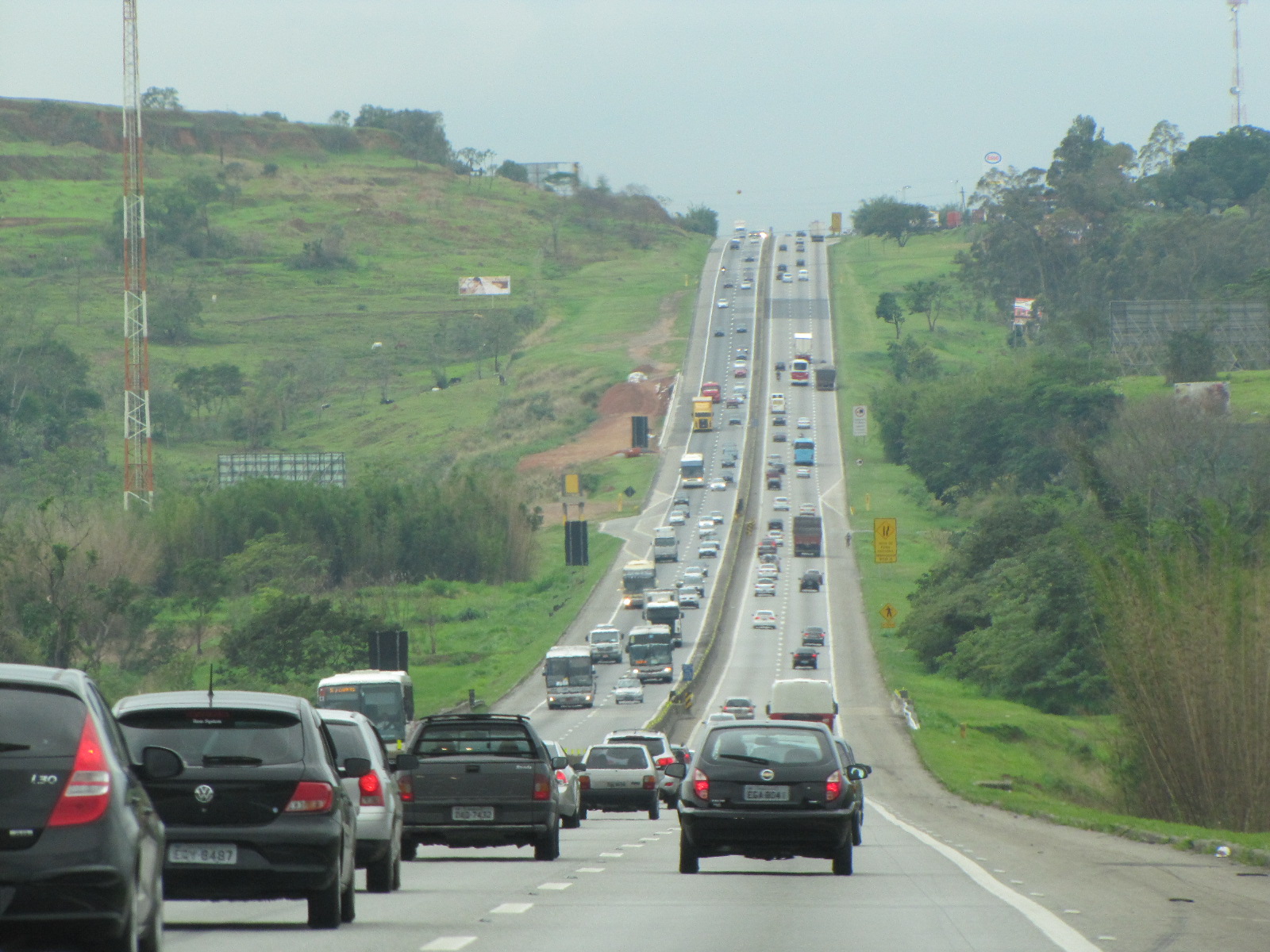
You can reach the city by road via the Via Dutra, at the 99th kilometre.
Getting there
Pindamonhangaba sits along the Rodovia Presidente Dutra, the main highway through the Paulista stretch of the state, at around km 99. If you arrive by car or bus on the Dutra, note that the downtown area lies roughly 6 kilometres from the highway, so you will need a local connection to reach the centre.
Alternatively, you can approach the city via the old Rio–São Paulo highway, now designated SP-62.
Getting around
Pindamonhangaba is a wide-street city, and the single most useful thing to grasp is how it is divided: the old Central do Brasil railroad cuts through the town, and the downtown core sits in the strip between the railroad and the Paraíba do Sul river. That central band is where you'll find the main commerce area, the bank agencies, the Mother Church, the historic São José's Church, and the small wooded Bosque da Princesa. Orient yourself by the railroad and the river, and most of what you want as a short-term visitor is within a walkable area — the wide streets make strolling the historic and commercial heart comfortable. Beyond that band, distances grow and the railroad and river act as barriers, so you'll want a bus, taxi, or ride-hailing app for anything further out.
- There is no metro, tram, or usable passenger rail service for getting around; the railroad that divides the city is a geographic feature of the layout, not a transport option. Plan around road transport.
- Local buses are the main form of public transport and the practical way to cover longer hops between the center and outlying neighborhoods. Carry cash or a rechargeable local transit card, and confirm current fares and routes locally, as these change over time.
- Taxis and ride-hailing apps both operate in the city and are straightforward for short trips in the center, for places buses don't serve conveniently, for evening trips, and for the last stretch into town if you arrive by intercity bus or are dropped at the highway.
- The district of Moreira Cesar sits apart from the main urban area and is not walkable from the center; reach it by road via the Rodovia Presidente Dutra — there's a toll station between the entrances — or by the old Rio–São Paulo road (SP-62).
- Pindamonhangaba has no major airport of its own. Arriving by air means an overland connection along the Dutra corridor by intercity bus or private transfer, then a local taxi or ride-hailing app into town; confirm schedules and pickup points in advance.
Where to stay
Pindamonhangaba's accommodation is limited to a handful of options, so it pays to sort out your stay before you arrive. The choices are concentrated in the centre and along the main avenues, which keeps you within easy reach of the town's services and transport links.
- Hotel Comendador — on Rua Dr. Monteiro César, in the town centre.
- Colonial Plaza Hotel — on Avenida Nossa Senhora do Bom Sucesso.
- Pousada Casal 20 — a smaller inn on Avenida Dr. Antônio Pinheiro Jr.
Food & drink
For a sit-down meal, Pindamonhangaba leans toward steakhouses and pizza. Minuano Restaurant & Steakhouse on Av. Cel. Fernando Prestes and Gramado Steakhouse and Taproom on Rua Bicudo Leme both serve churrasco-style eating, while Querência Pizza Restaurant & Brewhouse on Rua Dr. Laerte Machado Guimarães pairs pizza with its own brewed beer.
For drinking, head downtown to Cervejaria Óbvio on Rua Prudente de Moraes, known as Óbvio Brewhouse. It serves good drinks and snacks with rock and roll bands playing all night long, and stays open from Wednesday to Sunday from early evening until the last customer leaves.
What to see and do
For nature and wildlife, head to Trabiju's Ecological Reserve, a protected enclave in the Vale do Paraíba built around a waterfall. Its flora includes angico-branco, embaúba, guarantã, peroba, jaborandi, palmetto and bracken, while its fauna ranges from coati, armadillo, monkey, paca and wildhog to parakeet and jaguar; deforestation and the removal of species are prohibited by law. Parque Reino das Águas Claras, set in the foothills of the Serra da Mantiqueira beside the road linking Pindamonhangaba to Campos do Jordão, offers a quiet stretch of the Piracuama River with swimming, pure air and green surroundings, plus a restaurant, changing room, cloakroom, children's park, barbecue grills and kiosks. At Nova Gokula Farm, a rural community of the Hare-Krishna movement, you can camp and visit the temple, trails and creeks. Piracuama Country Club is another leisure area in the valley, with rushing water pools for swimming, space for barbecuing and sports, and mountain air. For a different view of the region, take the train ride to Campos do Jordão.Three days in Pindamonhangaba
Day one: Arrive in Pindamonhangaba, a city in the Paraíba Valley between São Paulo and Rio de Janeiro. Its name comes from Old Tupi. You can reach it via the Via Dutra, also called Rodovia Presidente Dutra, the main highway connecting São Paulo and Rio. If you come from São Paulo, the Dutra is the direct route. Alternatively, SP Central do Brasil serves the Paraíba do Sul line. That brings you into the centre. Start with the Mother Church of São José, the Church of São José, and the Bosque da Princesa. In the Orient, beyond the centre, there is more to see. Plan your local travel. Carry cash for taxis.
Day two: Explore Moreira Cesar. Arriving there, you can stay at the Hotel Comendador on Rua Dr. Monteiro César, or the Colonial Plaza Hotel on Avenida Nossa Senhora. Use these as your base for the day. The neighbourhood has its own character within Pindamonhangaba.
Day three: Return to the centre of Pindamonhangaba. Revisit the Mother Church of São José and the Bosque da Princesa. If you have time, take the Dutra onward to São Paulo or Rio de Janeiro. Alternatively, use SP Central do Brasil for the Paraíba do Sul line. That completes three days in the Paraíba Valley.