Campo Grande
Introduction
Campo Grande is the capital of Mato Grosso do Sul, in Brazil's central-western region. The city was historically a stronghold of separatists from the North and South, and it is laid out as a planned city in the middle of a vast green space, with wide streets and tree-lined avenues. That greenery is part of its identity: Campo Grande is one of the most tree-lined capitals in Brazil, and the trees reach the residential streets themselves.
Before you go
Campo Grande sits in the middle of Brazilian cattle country and works as the regional hub for services and commerce, so it's a practical base as well as a stopover. For travellers it's the main gateway to the southern Pantanal and to Bonito, a small town surrounded by clear-water rivers roughly 300 km away. Locals call it cidade morena (brown city) after the colour of the local soil, and its inhabitants are known as campo-grandenses. The city's culture draws on native Brazilian heritage alongside Italian, German, Syrian-Lebanese, Japanese, Paraguayan and Bolivian influences.
Plan around the dry season, roughly May to September, when humidity can fall below 30%. At that level you may get headaches and irritation of the eyes, throat, skin and nose, including nosebleeds, and the risk of dehydration and breathing problems rises. Drink more than usual, eat fruit, use moisturiser, wash your face often and keep your nostrils moist, perhaps with a vaseline-based cream. If humidity drops below 20%, avoid physical activity in the sun, especially between 10am and 4pm; below 12%, avoid all physical activity. For early dehydration, a homemade oral rehydration solution of 20 g sugar and 3.5 g table salt in 1 litre of water helps. The local government issues daily weather reports, so check them before heading out.
Getting there
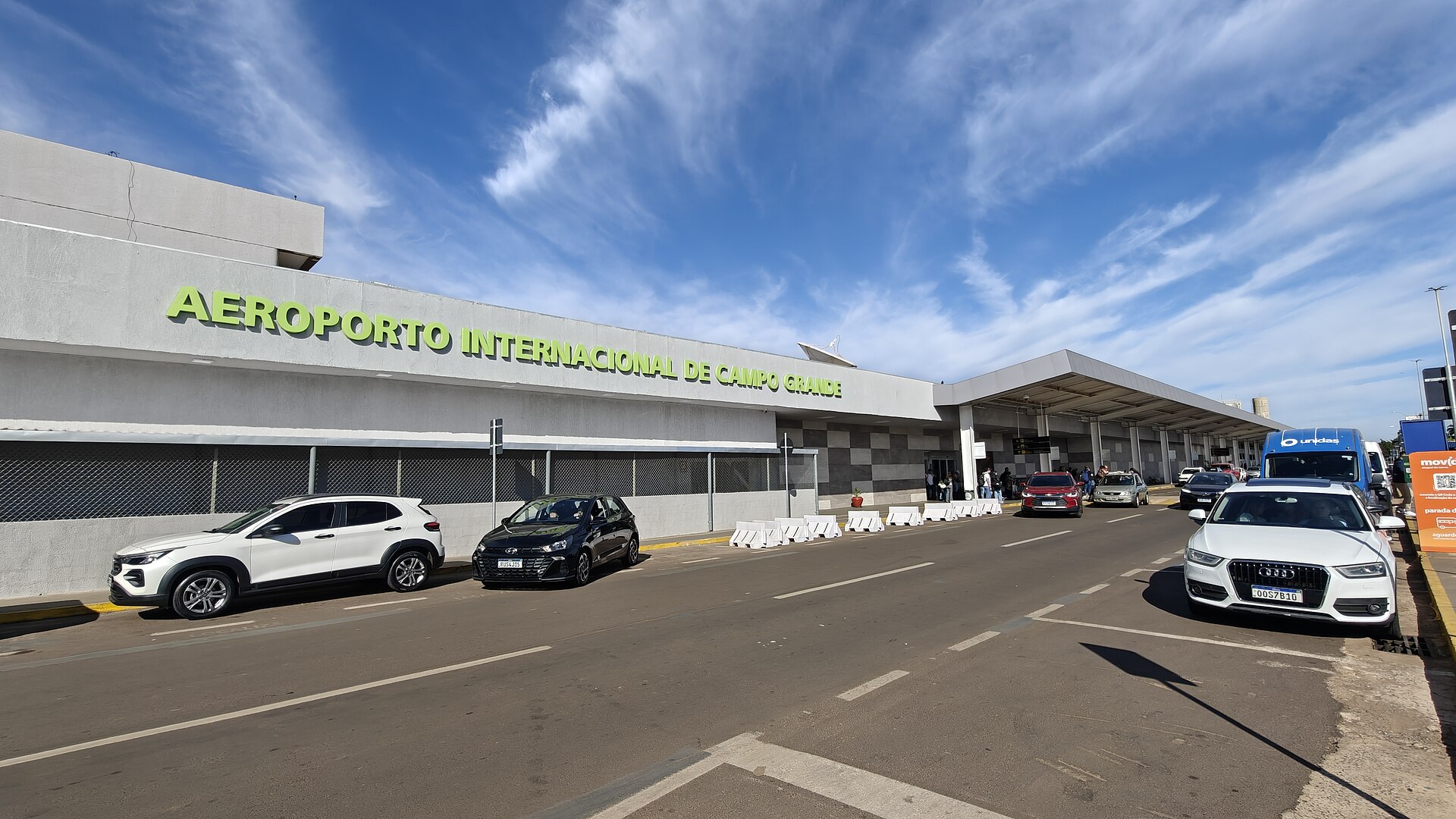
Campo Grande's airport (CGR, also known as Antônio João Airport) sits about 7 km from the downtown area and is served by Latam, Gol and Azul. To reach the city centre, take a taxi or a local bus; there is no shuttle service, so if you want the bus, look for the stop roughly 50 m to the right of the main avenue, directly in front of the airport as you leave the terminal toward the avenue.
Interstate buses leave from the city's bus station, with services to destinations including Corumbá on the Bolivian border (5–6 hours), Bonito, Iguaçu Falls, São Paulo (13 to 15 hours) and Rio de Janeiro (20 hours). From the terminal you can get into the city by taxi or by local bus lines heading downtown, which depart from the stop in front of the new terminal.
Getting around
Campo Grande has no metro or tram, and the railway through the city carries freight only, so getting around means buses, metered taxis and your own two feet. The bus network is the backbone of public transit, and you can change buses free of charge at the terminals. These vary a lot in size: some are as big as a bus station, while others are little more than a bus stop, such as the one serving the main shopping mall. Fares are paid with the city transit card on most buses, so if you don't have one, either ask a fellow passenger to pass their card for you and have change ready to pay them back, or, if you're heading to a terminal, ask the driver to drop you at the terminal entrance, where you can pay in cash.
Taxis are metered, with higher fares on Sundays and at night, and they're a straightforward option for trips such as the run between the centre and the airport. The city was planned around wide streets and tree-lined avenues within a large green space, which makes the central area well suited to walking; if you're staying downtown, many central destinations are within easy reach on foot, with buses and taxis covering longer trips. If you arrive by long-distance bus, local lines into the centre leave from the stop in front of the new terminal, and taxis are also available there.
Where to stay
Campo Grande's budget beds cluster around the bus station and the centre. Rodrigo Hostel sits around the block from the bus station, with spacious rooms, hammocks, a swimming pool, free parking and breakfast included. Hostel Orla Morena offers a swimming pool, barbecue area, well-equipped kitchen, free wifi and a good breakfast. In the centre, Presidente Palace Hotel is a simple, somewhat worn option with thin mattresses and a modest breakfast - a place to stay for the price rather than the comfort, with shared bathrooms in the cheaper rooms.
For mid-range comfort, Pousada Mato Grosso is a two-storey, family-run inn with bright rooms, a nice terrace and parking in front of the building, breakfast included. Near the airport, Aeroporto Plaza Hotel looks better inside than out; its rooms have no windows, so it suits short stays. At the top end, the Bahamas Suite Hotel has duplex rooms with a kitchen and living room downstairs and the bedroom above, balconies in every room and city views from the upper floors, though the ground-floor pool often sits in shadow and the mattresses run hard. Deville Prime, a hotel of international standard in an upscale neighbourhood a few blocks from Parque das Nações Indígenas, is known for its breakfast.
Food & drink
Campo Grande's food is a melting pot, but the elements in the mix differ from elsewhere in Brazil, so even Brazilian visitors from other regions may find the flavours unfamiliar. Look for manioc, cerrado fruits and nuts such as pequi, buriti, bocaiúva and guavira, plus molasses and corn flour (fubá). Arroz carreteiro, rice with beef cubes and herbs, is the typical dish of the region, and chipa — a pão de queijo variant made with polvilho doce rather than polvilho azedo — is favoured by locals over the Minas Gerais recipe. Alligator meat is easy to find; make sure it comes from alligator farms rather than illegal hunting. Sobá, a Japanese noodle soup, is considered a local specialty, and good sopa paraguaya, a savoury cake from neighbouring Paraguay, is also available. As an important centre for the cattle industry, the city has high-quality meat that competes with the best of Argentinian and Uruguayan production.
For a quick bite, Pastelaria Parada Obrigatória inside the Mercadão Municipal serves the usual pastel flavours alongside a pastel pantaneiro (jerked beef and fried banana) and a pastel de jacaré (alligator), plus good sopa paraguaya and a house sauce worth trying. On Wednesday and Saturday evenings, Feira Central, reminiscent of Southeast Asian food markets, is the place to go for sobá — most restaurants inside are good, and if in doubt, head to Barraca da Anésia. The stalls usually specialise in one type of food, from pastel to cold stone-style ice-cream to oniguiri to Japanese sweets and kawaii cookies, and the larger-than-life sobá sculpture at the main entrance is something of a tourist attraction. Delícias do Cerrado specialises in ice-cream made with cerrado flavours, Confeitaria Árabe serves the best Middle-Eastern sweets in town along with sfihas and an Arab lunch buffet on Saturdays, and Soba House serves piranha soup and other local dishes such as fried pacu and dobradinha alongside its soba. For Italian, Sésamo Gelato was the first Italian gelato shop of the region and Cantina Romana is the best-regarded Italian restaurant in town. Viva a Vida is an all-you-can-eat restaurant with vegetarian options, while Rei do Dog, a simple stall in a back street, and Thomaz Lanches, famous for its honour system where you declare to the cashier what you ate, are locals' favourites.
The local drink is tereré, a cold infusion of erva-mate whose leaves are ground more coarsely than for chimarrão and may carry all sorts of added flavours; the Mercadão Municipal is a good place to shop for them. Recanto da Moagem offers beers ranging from classic recipes to brews made with local ingredients such as mate and guavira, self-service via a card topped up with credits across ten taps, with a minimum pour small enough to taste every flavour. For live music, Rota Acústica hosts the rock band Mochileiros, who blend classic rock with South American influence such as charango guitar and Bolivian flute, while on Tuesday evenings at Praça dos Imigrantes a singer offers a list of seresta and other Brazilian songs for the audience to choose — a regional music jukebox played live, with food stalls and public toilets on the square. Aguena Bar is a popular boteco famous for its cheese-filled kibeh, and SESC Morada dos Baís, in a building constructed in 1918 and renovated in 1993, has live music on Friday and Saturday evenings.
What to see and do
Wildlife is part of everyday life here. Around sunrise and sunset, watch for large birds flying in pairs overhead — usually macaws heading to or from nests in the palm trees. Smaller toucans are recognisable by their long, colourful beaks, and at night capybaras are easily spotted on park lawns and around the Lago do Amor. If you visit in August or September, the blossoming ipê trees put on a spectacular show.
For museums, the Museu das Culturas Dom Bosco has exhibits on native groups such as the Bororó, Carajá and Xavante along with an extensive insect collection, while MARCO covers contemporary art. The Museu da Aviação de Busca e Salvamento, inside the air base, tells the story of the Pelican Squadron's search and rescue operations around Brazil. The Igreja de São Francisco de Assis, built in 1950 and considered historic by local standards, stands near the former railway station, and the Cidade do Natal is a make-believe Christmas village that hosts small events and fairs outside the holiday season.
Green space is plentiful. The Parque das Nações Indígenas on Afonso Pena avenue offers good infrastructure for leisure and sports, the Parque Ecológico do Sóter is the newest park with multi-sports squares, a skate park and cycling trails, and the Horto-Florestal, a prominent landmark within walking distance of the centre, has native trees, a library, snack bar, playground and skate park. Inferninho, outside the urban perimeter, has waterfalls, and in the Parque dos Poderes neighbourhood you can see wild animals moving freely among the government buildings and preserved native vegetation. Ary Coelho Plaza, the city's most traditional square, is known for its huge fountain.
On Monday evenings, the Sarau de Segunda at Praça dos Imigrantes is an open mic mix of music jams and poetry slams — perform or just watch, with jugglers practising on the corner and food and drinks, including vegan options, on offer. On Sundays, the Associação Colônia Paraguaia hosts lunches followed by live music in a big ballroom; the atmosphere is informal, though the dressiest guests tend to wear cowboy boots, big belts and hats. To learn the local ballroom styles — chamamé, vaneira, sertanejo universitário and Paraguayan polka — the city's dance schools run beginners' courses.
When to go
Campo Grande has a tropical savanna climate, so your trip will feel very different depending on the season you choose. Summer is the hottest and wettest stretch of the year, with January the warmest and rainiest month. Rain often falls intensely in a short period and can cause flooding in the city, so expect heavy downpours and plan your days around them rather than fighting the weather.
Winter, from June through September, is notably dry: days are sunny but cooler, and July brings the mildest conditions of the year. On the coldest nights temperatures can come close to freezing, so pack warm layers even though the days are bright. If you prefer clear skies and comfortable daytime wandering over hot, stormy afternoons, the dry winter months are your best bet.
Three days in Campo Grande
Day one: Start in Campo Grande itself, the capital of Mato Grosso do Sul, and get your bearings in a city that serves as the gateway to the Pantanal. The food scene reflects the city's mix of Italian, German, Syrian, Lebanese, Japanese, Paraguayan and Bolivian communities, so use your first day to eat your way through it. Locals can point you toward the dishes and neighbourhoods that best show this blend. Plan an early night, since the big landscapes come later.
Day two: Head out toward the Pantanal, the vast wetland that draws travellers to this part of Brazil. May through September is the dry season and the usual window for wildlife watching, while the wet months bring heat and high water. Keep the pace slow and let the landscape set the schedule.
Day three: Turn south to Bonito, known for its clear rivers and natural pools, or spend the day exploring more of Campo Grande before your flight. CGR, also called Antônio João Airport, is served by Latam, Gol and Azul, with connections to São Paulo, Rio de Janeiro, Corumbá and Iguaçu Falls. If you are driving, interstate roads link these destinations. Drink plenty of water and plan your transfer in advance.