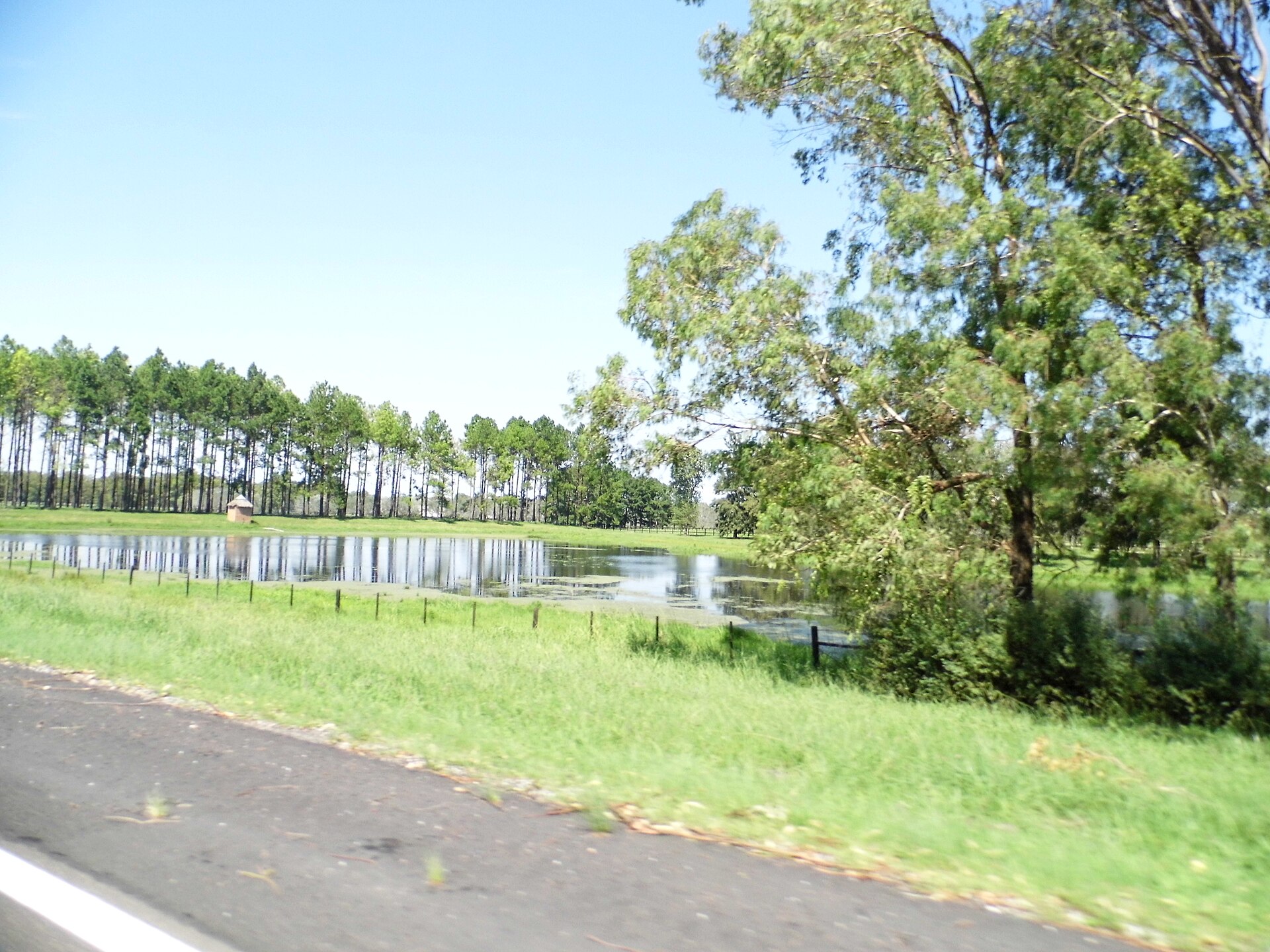
Bage
Introduction
Bagé is a municipality in the state of Rio Grande do Sul in southern Brazil, founded in 1811 and granted city status in 1859. Its position near the border has shaped its history: the town was seized by military forces from Uruguay and Argentina before it was officially reorganised as a city, and it has remained of significant military importance because of that strategic location.
For a traveller, Bagé is a place to understand through that borderland identity and its long civic history rather than through a single set-piece attraction. The source material for this guide is limited, so treat what follows as a starting point and confirm practical details locally before you set out.
Getting around
Bagé has no rail, metro or tram network you can use, so plan on road transport throughout your stay. The city's own bus terminal sits about a kilometre from the centre — an easy taxi ride or a short walk if your luggage is light. Local city buses are the standard public option within Bagé; you pay on board, so keep some cash in Brazilian Reais for fares and small purchases, even though cards are widely accepted. Central Bagé is compact enough to cover on foot for nearby points, including the area around the bus terminal, but for longer cross-city trips or when you are carrying bags, a taxi or ride-hailing car is more practical.
Taxis and ride-hailing apps are the most convenient choice for short trips, reaching the terminal with luggage, or travelling after dark — stick to registered taxis or ride-hailing apps rather than unlicensed vehicles, and keep valuables secure in crowded areas and on public transport. For long-distance travel, coach is the main way in and out: the Bagé–Porto Alegre route is run solely by OURO E PRATA RS, with direct departures several times a day from early morning to late at night, taking roughly five to six hours. Booking ahead generally gets you a cheaper fare. Coaches have reserved seats, toilets and USB charging, with food sold on board but no WiFi; the luggage allowance covers one checked bag and one carry-on, with extra bags available for purchase. Bicycles are accepted if disassembled and packaged, small pets can travel in carriers, and wheelchair access can be arranged with advance notice, with priority seating for passengers with disabilities. Bagé is served by its own regional airport, but no dedicated airport-to-city transfer is described — take a taxi or ride-hailing app, or arrange a transfer in advance. If you arrive via Porto Alegre instead, its bus station is about a kilometre from that city's centre, making onward coach connections straightforward.
Three days in Bage
Day one: Start in Central Bag, the heart of this Rio Grande do Sul city in southern Brazil, and get your bearings on foot. Local taxis are on hand if you'd rather cover more ground, and bicycles give you another way to explore. As evening comes, settle in for a meal of Brazilian Reais-priced local cooking and take in the easy pace of the centre.
- Explore Central Bag on foot
- Use local taxis or bicycles to get around
- Eat local in the evening
Day two: Bage sits close to the borders with Uruguay and Argentina, so use the day to understand its place in the region. Coaches connect the city with Porto Alegre, making it a practical base for wider travel. Check Booking for places to stay and confirm your onward plans; if you need to stay connected, look for WiFi and USB charging points along the way.
- Look into coach connections to Porto Alegre
- Check Booking for accommodation
- Keep WiFi and USB charging in mind
Day three: Slow down and enjoy the city's everyday rhythm. OURO and PRATA RS are names you'll come across locally, and Central Bag remains the natural place to spend your final hours. If you're heading onward to Uruguay or Argentina, sort out your transport in advance; for a longer trip, Porto Alegre is the main link.
- Spend time in Central Bag
- Arrange onward transport to Uruguay or Argentina
- Plan a route via Porto Alegre if needed