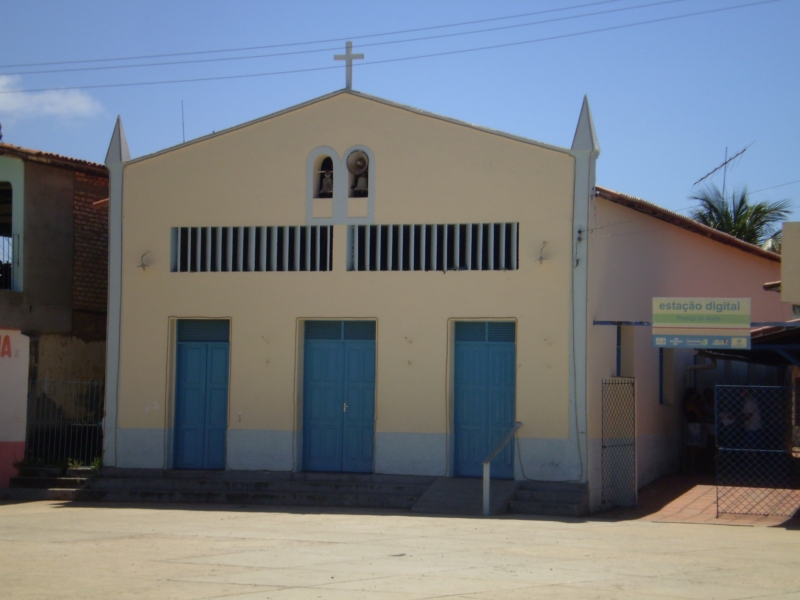
Parnamirim
Introduction
Parnamirim is a municipality in the Brazilian state of Rio Grande do Norte, sitting just south of the state capital, Natal, and forming part of the Natal Metropolitan Region. It borders Natal to the north and is conurbated with the capital, so the two blend into a single built-up area even though Parnamirim is a municipality in its own right.
The city has grown substantially, with particular momentum in the real estate sector, and it ranks among the larger municipalities in Rio Grande do Norte. Its position within the metropolitan region makes it a practical base for exploring the wider Natal area.
Before you go
Parnamirim owes its existence to aviation. In 1927 a Portuguese landowner donated part of his lands to a French aviation company, which installed an airport used by aviation pioneers; the town grew alongside it, later serving as an American base during World War II and now housing a Brazilian Air Force base and an international airport. From the 1990s the city expanded faster as Natal spread southward, until the two grew into one continuous urban area.
That history shapes what to expect on the ground. The airport and the Barreira do Inferno launch center still separate the eastern parts of Parnamirim and Natal, so plan around them rather than through them. Because the city has merged with Natal, it works well as a base for exploring the wider area, but keep in mind that the two cities remain distinct in character despite the conurbation.
Getting there
Buses between Natal and Pirangi beach are operated by Viação Campos. They depart from either downtown Natal or the intercity bus terminal (Rodoviária), and you can also catch them at Ponta Negra. Check the company website for itineraries and other information. If you're driving, RN-063 (Rota do Sol) links Ponta Negra in Natal to Cotovelo Beach, about 10 km away, with Pirangi Beach a bit further along. The distance is short enough that cycling along RN-063 is also a popular way to reach these beaches. To get to downtown Parnamirim, take BR-101. Parnamirim has a train station downtown, close to the airport, but it isn't very useful to tourists since downtown Parnamirim is quite far from the major attractions. The nearest international airport is Greater Natal International Airport in São Gonçalo do Amarante, 30 km north of Parnamirim.Getting around
Parnamirim runs directly into Natal, so getting around often means moving between the two cities rather than within Parnamirim itself. Keep the layout in mind: the main draws — the Cashew of Pirangi and the beaches of Cotovelo and Pirangi do Norte — sit away from the downtown core, while the downtown area, home to the train station, is quite far from those attractions. Walking works best within whichever district you are staying in, since the sights are spread out. Cycling is a popular way to reach the coast: Cotovelo Beach is a short ride from Ponta Negra in Natal via RN-063, the Rota do Sol, and Pirangi Beach lies a bit further along the same road.
- Train: There is a station downtown, close to the airport, but the line does not conveniently link the places most visitors want to reach. Treat it as a way to get to the downtown area, not to the coast.
- Bus: Viação Campos buses connect Natal with Pirangi beach, departing from downtown Natal or the Rodoviária, and can also be caught at Ponta Negra — a handy boarding point if you are based in Natal's beach districts. Check the company's website for current itineraries before travelling, as routes and schedules change.
- Car: The most flexible option given how dispersed the attractions are. Take RN-063 (Rota do Sol) for the beaches, from Ponta Negra toward Cotovelo and on to Pirangi, or BR-101 for downtown Parnamirim.
- Airport: The nearest international airport is Greater Natal International Airport in São Gonçalo do Amarante, north of Parnamirim — not in the city itself, so you will need separate ground transport onward. Arrange this in advance or confirm options on arrival.
- Taxis and ride-hailing: No specific local guidance is available, so ask at your accommodation about what is available if you want a door-to-door option.
Where to stay
Most visitors to Parnamirim base themselves in Natal, but if you want to stay within the city there is a small range of accommodation in Cotovelo and Pirangi do Norte, mostly pousadas. For the most upscale option, look to the Blue Marlin Resort on Avenida Humberto Campus in Cotovelo, which sits right in front of Cotovelo Beach.Food & drink
No food or drink listings are available for Parnamirim in the source material, so there is nothing to recommend here.What to see and do
Parnamirim's standout sight is the World's Biggest Cashew Tree in Pirangi do Norte, an enormous "one-tree forest" that sprawls across a vast area and is among the most famous attractions in Rio Grande do Norte. A viewpoint lets you take in the whole tree from above, and the site also produces a yearly cashew crop. Beaches are the other main draw. Pirangi do Norte is one of the metro area's most popular stretches, with calm waters and natural swimming pools sitting offshore; you can reach them by boat with Marina Badauê, which provides snorkelling equipment and takes reservations, generally needed only for groups. The beach has tourist infrastructure, though less than Ponta Negra. Cotovelo Beach offers a quieter alternative, framed by cliffs and trees. Inland, the Barreira do Inferno Launch Center, a rocket launch and research facility of the Brazilian Air Force, can be visited by groups with an appointment.Three days in Parnamirim
Day one: Base yourself in Parnamirim, a city in the Brazilian state of Rio Grande do Norte, within the Natal Metropolitan Region. The city's story is tied to World War II, when the Brazilian Air Force and the American military used the area; that wartime heritage shapes what you see today. Begin with the Barreira do Inferno, a landmark tied to the region's aerospace history. Because buses connect the area, you can move around without a car, though services such as Viação Campos and the Rota do Sol are the ones to look for.
Day two: Head to the coast. Cotovelo Beach and Pirangi Beach are the day's destinations, both reached from Parnamirim. At Pirangi, the cashew tree is the draw. Check the tides before you go, and keep in mind that the RN coastline here is warm and humid much of the year, so plan around the heat rather than against it.
Day three: Use Parnamirim as your gateway to Natal. Buses run to Ponta Negra and the Rodoviária, and the BR-101 and the Greater Natal International Airport, serving São Gonçalo do Amarante, keep the wider region within reach. If you have time, the Portuguese and French presence in the area's history, alongside the Brazilian and American threads, gives the day a sense of how this corner of Rio Grande do Norte connects to the wider world.