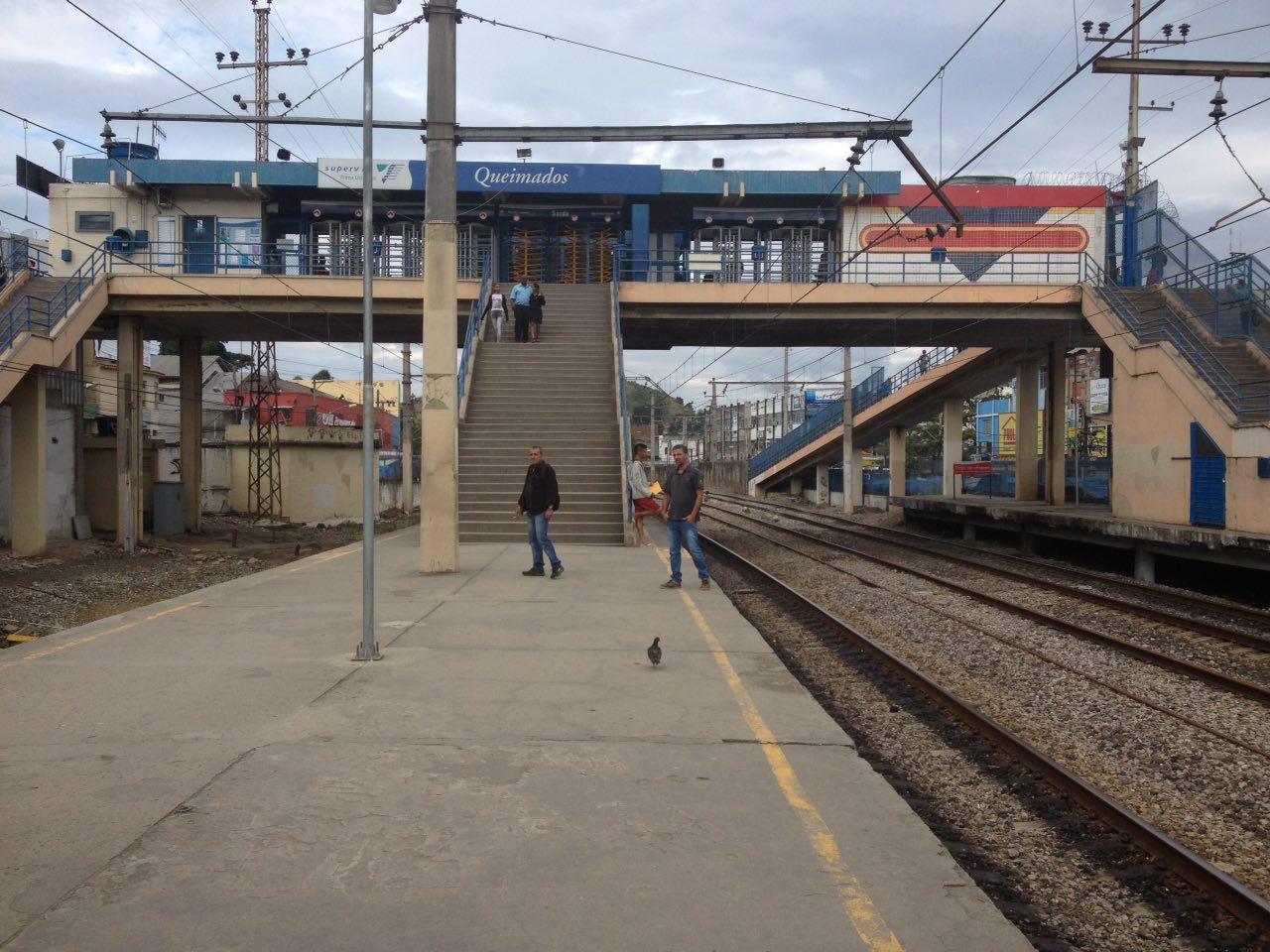
Queimados
Introduction
Queimados is a municipality in the Brazilian state of Rio de Janeiro, sitting at a low altitude in the coastal interior north of the city of Rio. The area is divided into 37 districts, so expect a patchwork of neighbourhoods rather than a single compact centre. The source material for Queimados is limited, so plan your visit around the practical basics: it is a municipality of the Rio de Janeiro state, with a warm coastal climate typical of the region. Check locally for transport, food and lodging options before you arrive.Before you go
Queimados sits within the Rio de Janeiro metropolitan area, a municipality that was once a district of Nova Iguaçu before becoming separate. It is crossed by the BR-116 highway — specifically the Rio–São Paulo stretch known as Via Dutra, one of the country's most important roads — and the Industrial District of Queimados, on the highway side, is one of the metro area's main industrial zones. Plan your approach with this in mind: the town is oriented around a major through-route rather than a tourist core.
Public transport is straightforward to work out before you arrive. The Japeri railway line runs from Central do Brasil station in downtown Rio de Janeiro to the Japeri city centre, and it has a station in Queimados right in the downtown area — useful if you are coming from Rio without a car. The source gives no detail on local weather, costs or opening times, so check those closer to your trip.
Getting there
From Rio de Janeiro's downtown area you can reach Queimados by urban bus, van or train. Buses leave from Terminal Américo Fontenelle in Gamboa, while vans depart from the area around Central do Brasil station. If you come by car from downtown Rio, the main road access is the BR-116 highway (Via Dutra).
- By train: SuperVia runs commuter trains on the Japeri branch from Central do Brasil station in central Rio to the center of Japeri, stopping at Queimados Station (Estação Queimados).
- By bus: Gardel Turismo and Fazeni Transportes run the municipal lines and also connect Queimados with Japeri. Intercity lines are operated by Nilopolitana, Linave Transportes, Transportes Blanco, Transportadora Tinguá and UniRio, linking Queimados with Japeri, Nova Iguaçu, Belford Roxo, Mesquita, Nilópolis, São João de Meriti and Duque de Caxias, as well as with the city of Rio de Janeiro on routes to Centro and Penha that pass through neighbourhoods of the North Zone.
Getting around
Queimados sits within the wider metropolitan transport network that radiates out from the city of Rio de Janeiro, and you'll get around mainly by commuter rail and bus, with taxis and ride-hailing filling in the gaps. The most straightforward rail option is the SuperVia commuter train on the Japeri branch: board at Central do Brasil in Rio and ride out to Queimados Station, which also links the town to neighbouring municipalities along the same line. Because this is a commuter network rather than a metro or tram system, check current fare and card options at the station before you travel. From Rio's downtown area you can also arrive by urban bus from Terminal Américo Fontenelle in the Gamboa area, or by van from the area around Central do Brasil. If you're coming by road, the BR-116 highway, known as Via Dutra, is the main access route from the Rio de Janeiro direction.
- Within the municipality, Gardel Turismo and Fazeni Transportes run municipal bus routes; both companies also connect Queimados to Japeri.
- Intercity lines are operated by Nilopolitana, Linave Transportes, Transportes Blanco, Transportadora Tinguá and UniRio, linking Queimados to Japeri, Nova Iguaçu, Belford Roxo, Mesquita, Nilópolis, São João de Meriti and Duque de Caxias, as well as to Centro and Penha in Rio.
- For local trips and for reaching the station or bus stops, taxis and app-based ride-hailing are commonly available, but confirm availability locally rather than relying on a fixed rank or app presence.
- Queimados is spread across many districts rather than concentrated in one compact centre, so walking works for short trips around Queimados Station and the surrounding commercial streets, but for anything beyond a short stroll plan on the train, a bus, or a taxi or ride-hailing app.
- Queimados has no airport of its own; if you arrive by air, continue from the Rio area airports using the same train, bus or van options above.
Where to stay
Lodging in Queimados is limited, and the one option the source identifies is Logic Queimados on Rua Marinho Hemeterio Oliveira in the Vila Nascente neighbourhood. Treat the town as a base rather than a destination for accommodation, and confirm your room directly with the property before you travel, since alternatives within Queimados are not documented here.
Food & drink
For eating out in Queimados, head to the Centro, where Varandão Restaurante Pizzaria on Avenida Irmãos Guinle serves both restaurant meals and pizza.
What to see and do
Queimados is a working city in the Baixada Fluminense, and its sights are few and straightforward. The Rio Guandu, a major river of the region, is the natural landmark to seek out, while the Distrito Industrial de Queimados, the industrial district strung along the Rio–São Paulo highway, gives you a sense of the city's economic life.
In the centre, the 19th-century Igreja de Nossa Senhora da Conceição on R. Ver. Marinho Hemeterio Oliveira is the historic building worth a look, and the downtown plaza (pictured) is the natural place to orient yourself. The source lists no specific activities, so plan on simply walking the centre and taking in the river and the church.
Three days in Queimados
Day one: Arrive in Queimados and get your bearings around the centre, using Queimados Station as your anchor. The town sits in the Baixada Fluminense region of Rio de Janeiro state, and the rail line is the simplest way to understand how it connects to its neighbours. From Rio, buses run from the Terminal Américo Fontenelle in Gamboa, and several companies serve the route, among them Gardel Turismo, Fazeni Transportes, Linave Transportes, Transportes Blanco and Transportadora Tingu. By rail, SuperVia trains link Queimados Station with stations across the region. Settle in, walk the central streets, and plan the rest of your stay around the rail and bus connections.
- Queimados Station (Estação Queimados)
- Terminal Américo Fontenelle, Gamboa (Rio)
- SuperVia rail services
Day two: Use the town as a base for exploring the wider Baixada Fluminense. The SuperVia network puts neighbouring municipalities within easy reach, including Nova Iguaçu, Belford Roxo, Mesquita, Nilópolis and São João de Meriti, as well as Japeri to the west. If you want a longer excursion, the Via Dutra corridor links the region toward São Paulo, and Rio de Janeiro lies within reach by the same rail and bus routes you arrived on. Keep your day flexible and let the train timetable set your pace.
- Nova Iguaçu
- Belford Roxo
- Mesquita
- Nilópolis
- São João de Meriti
- Japeri
- Via Dutra
Day three: Spend your last day closer to Queimados itself. The Industrial District gives a sense of the town's working character, and the central streets around the station are where daily life plays out. Intercity and regional bus companies such as Nilopolitana and Linave Transportes connect the town with its neighbours, so check your onward connections before you leave. If you are heading back toward Rio, the Terminal Américo Fontenelle in Gamboa is your arrival and departure point for the bus, while SuperVia trains run from Queimados Station. Confirm schedules locally before setting out.
- Industrial District
- Nilopolitana
- Linave Transportes
- Terminal Américo Fontenelle, Gamboa