Colatina
Introduction
Colatina sits in the north of Espírito Santo, on the banks of the Doce River, and is reached easily from the state capital, Vitória, which lies to the south. The city also lies on the trainline running from Vitória up into Minas Gerais, making it a natural stop for travellers moving between the coast and the interior.
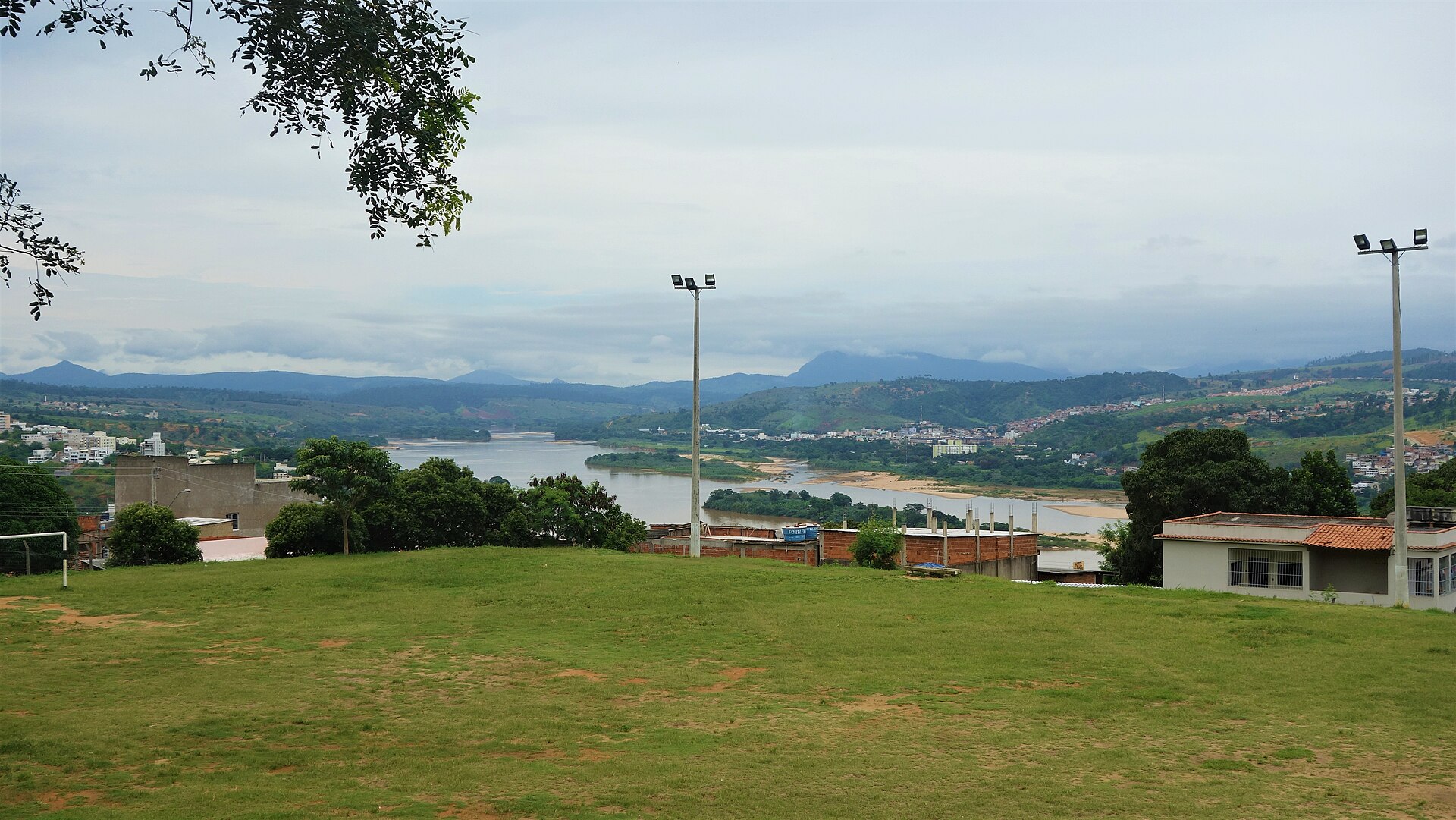
The Doce River defines the city's setting: depending on the season, a vast volume of water can flow past Colatina, and the riverside gives you your first sense of the place. Use the city as a base for exploring this part of Espírito Santo's north.
Before you go
Colatina rewards travellers who plan around its countryside rather than its centre. The municipality offers real scope for ecotourism, with beautiful landscapes and well-kept farms out in the rural areas. The standout is São Pedro Frio, roughly 40 km from the centre and sitting at 600 metres of altitude, where the climate turns mountainous — pack accordingly, as conditions there differ from the lower ground. Also worth building into your plans are the lakes of Limão, Pau Gigante, Coroa Verde, Barbados, Oil and Patrão Mor, along with the Oito, Onze, Vinte and Onça waterfalls.
Time your days around the late afternoon. Every evening, as the sun nears the mountainous horizon, the sky and the bed of the Rio Doce merge in gold and red for the city's famous sunset — the image most associated with Colatina, known as Princesa do Norte. Pair it with a look at the Christ the Redeemer monument, 33 metres high and set in the upper part of the municipality in the Bela Vista neighbourhood.
Getting there
Colatina sits about 127 km north of the capital, Vitória, and lies on the trainline running from Vitória into Minas Gerais.
By car, drive north from Vitória on BR-101 for roughly 50 km to Fundão, then continue on ES-080 for another 50 km to reach Colatina. Alternatively, stay on BR-101 north to João Neiva and take BR-259 from there.
Getting around
Colatina has no metro or tram system, so getting around relies on road-based transport. Buses are the main way to move without a car and are the sensible default for longer hops between neighbourhoods, since the city spreads across a substantial area along the Doce River. As in most Brazilian cities, you pay on board, so carry small change or check whether a rechargeable transit card is accepted on your routes; confirm the current system with your hotel or at a local terminal when you arrive. The railway line through Colatina is regional infrastructure connecting Vitória with Minas Gerais rather than an urban transit network, so don't expect metro-style service with frequent stops around town — if you want to arrive or continue by rail, treat it as a regional connection and confirm current services locally.
Walking works well for the immediate area around wherever you are staying, particularly in the central parts of town where shops, services and riverfront areas are close together, but it is less practical for crossing the whole city. Taxis are available and straightforward for direct trips, especially at night or with luggage, and ride-hailing apps are widely used and a convenient alternative; both are useful for places off the main bus routes. A reasonable approach is to walk locally and use buses, taxis or ride-hailing for longer distances, and to base yourself centrally if you plan to walk a lot.
Where to stay
Colatina is a small city, and its accommodation is limited and practical rather than plentiful. Expect simple hotels and pousadas serving business travellers and visitors passing through the region, concentrated in the city centre near the main commercial streets and within easy reach of the Rio Doce.
Because options are few, it is wise to arrange your stay before you arrive, particularly if you are travelling during local events or on weekends when demand from nearby workers and families picks up. Ask your accommodation about parking and breakfast, as these vary between the city's smaller establishments.
Food & drink
The source material for Colatina contains no information on where or what to eat and drink, so there is nothing to build this section from. Rather than fill the gap with invented restaurants, dishes or bars, this section is left empty until reliable details are available.What to see and do
Colatina's most visible landmark is the Christ the Redeemer statue, a towering figure that rises above the city. Beyond the urban centre, the surrounding countryside offers natural escapes: the district of São Pedro Frio lies about 40 km from downtown and sits at an elevation of roughly 600 metres, making it a cooler retreat from the city.
Water lovers have plenty to explore. The area is dotted with lagoas — Barbados, Coroa Verde, Limão, Patrão Mor, Pau Gigante and Óleo — while a series of waterfalls, including Oito, Onze, Onça and Vinte, provides spots for swimming and scenery. If your visit coincides with the second Saturday of May, you can catch the Festa Cafona, a music festival that draws a large crowd each year.
Three days in Colatina
Day one: Start in Colatina itself, getting your bearings along the Doce River, which shapes the city and its setting in Espírito Santo. Walk the streets to take in the everyday rhythm of a Brazilian interior city, then use the afternoon to arrange your onward trips, since buses and taxis connect you to the surrounding district. Keep the day unhurried and let the river set the pace.
Day two: Head out to the district's rural corners, where places such as São Pedro Frio, Limão, Pau Gigante and Coroa Verde sit within the wider municipality. The landscape rolls between hills and farmland, with the Doce River never far from mind. Return to Colatina in the evening for a meal and an early night.
Day three: Choose between a longer excursion toward the state capital, Vitória, or a slower day closer to town. Alternatively, look toward the Minas Gerais side of the Doce River, where the water continues its long journey. Round off your stay with a final walk through Colatina before your departure.