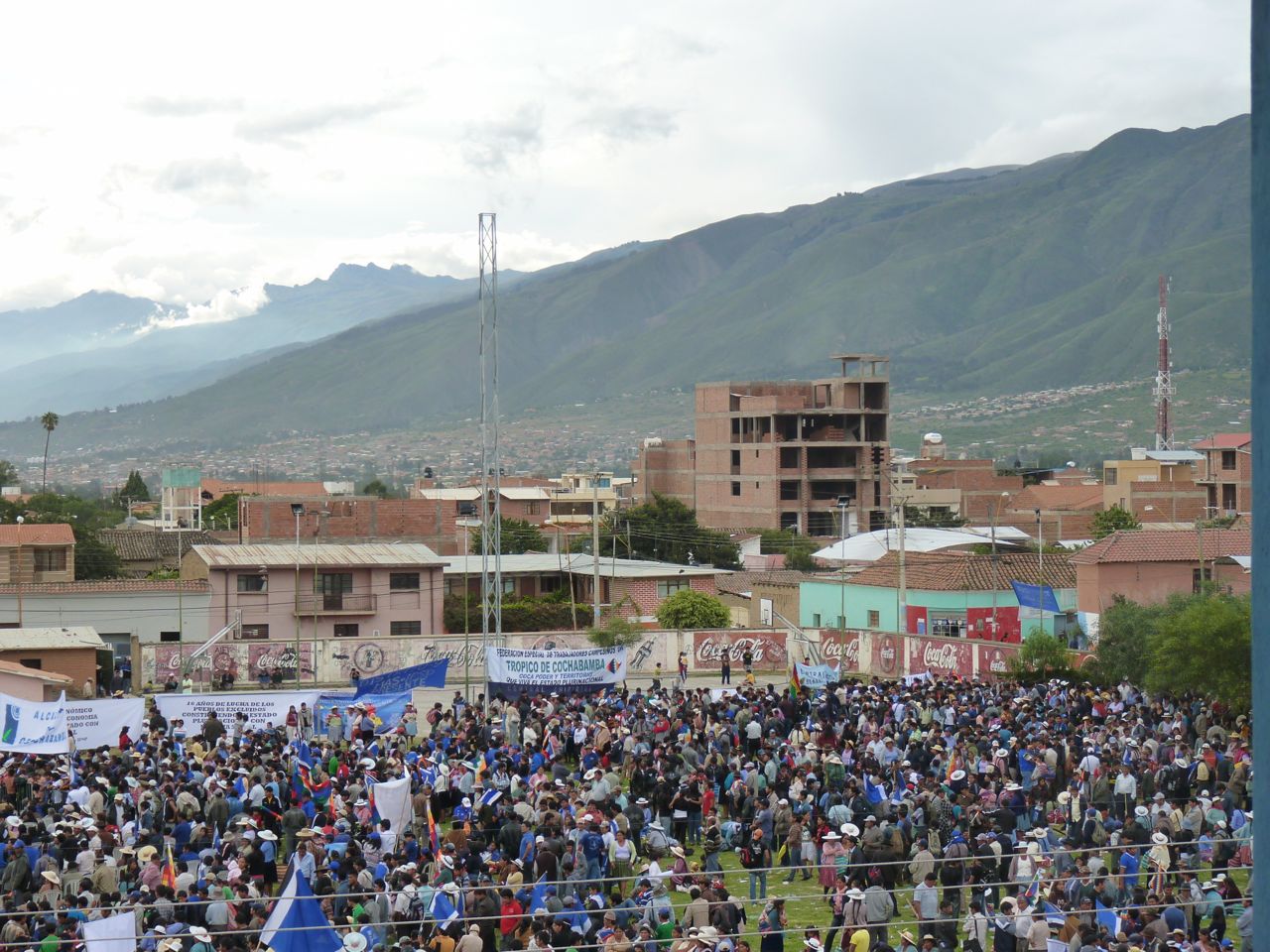
Sacaba
Introduction
Sacaba is a capital city and municipality in the Bolivian province of Chapare, set just east of Cochabamba. It ranks as the second largest city in the Cochabamba Department, after Cochabamba itself, and its proximity to that larger neighbour makes it an easy extension of a Cochabamba itinerary.
In the inner part of the city you can see post-colonial architecture, though some of it has been lost through a lack of municipal care. That mix of surviving and vanishing heritage gives the centre its particular character.
Getting around
Getting around Sacaba is road-based: there is no metro, tram or passenger rail network of its own, so buses, minibuses and taxis are the realistic options for every trip, including the run into Cochabamba. Buses and minibuses are the workhorses of the region and connect Sacaba with Cochabamba and surrounding communities along the main roads linking the two cities. You pay your fare on board in cash, collected by the driver or an assistant, and there is no unified ticketing system, travel card, tourist pass or day ticket to buy in advance — so carry small notes and coins. Because many residents commute into Cochabamba for work, services are busiest around commuting hours, and you should allow extra time then.
Taxis suit short hops within Sacaba, a specific restaurant or market, or the trip into Cochabamba when you would rather not wait for a bus; agree the fare before you set off, since metered pricing is not guaranteed. Ride-hailing apps are used in the wider Cochabamba area, but coverage in Sacaba can be thinner, so keep a taxi as a fallback. Walking is a good way to explore the heart of the city, where the inner streets hold post-colonial architecture alongside the restaurants and chicherias Sacaba is known for — though some historic buildings have been lost through lack of municipal care, so the streetscape is a mix rather than a uniformly preserved colonial centre. The weather is temperate and similar to Cochabamba's, making walking pleasant for much of the year, but summer brings heavy rain and winter nights can be cold. Sacaba has no commercial airport of its own; visitors arrive through the Cochabamba area's airport and continue by road, either by taxi for a direct transfer or by bus or minibus along the main route, with traffic on the connecting roads slowing things at peak times.
When to go
Sacaba has a temperate climate, with a dry, cool winter and a wetter, milder summer. If you prefer dry conditions, plan your visit for winter, when rainfall is rare and the nights turn cool.
Summer is the wettest time of year, bringing heavy precipitation along with milder temperatures. Expect frequent rain if you travel then, and pack accordingly.
Three days in Sacaba
Day one: Base yourself in Sacaba and get your bearings on foot. Because it sits within Cochabamba Department, the town works well as a starting point for the wider Chapare region, and walking its streets gives you a feel for everyday Bolivian life before you go further afield. Expect warm, humid summer weather, so plan your walking for the cooler parts of the day.
Day two: Head into Cochabamba, the nearest major city, for a change of pace. Buses run between the two, and taxis are another option if you prefer a direct ride. In Cochabamba you can spend the day among its markets and streets, then return to Sacaba in the evening.
Day three: Use Sacaba as your launch point for the Chapare. Getting out early helps you make the most of the day, whether you go by bus or arrange a ride. If you have time before leaving, a final walk around Sacaba rounds off the three days.