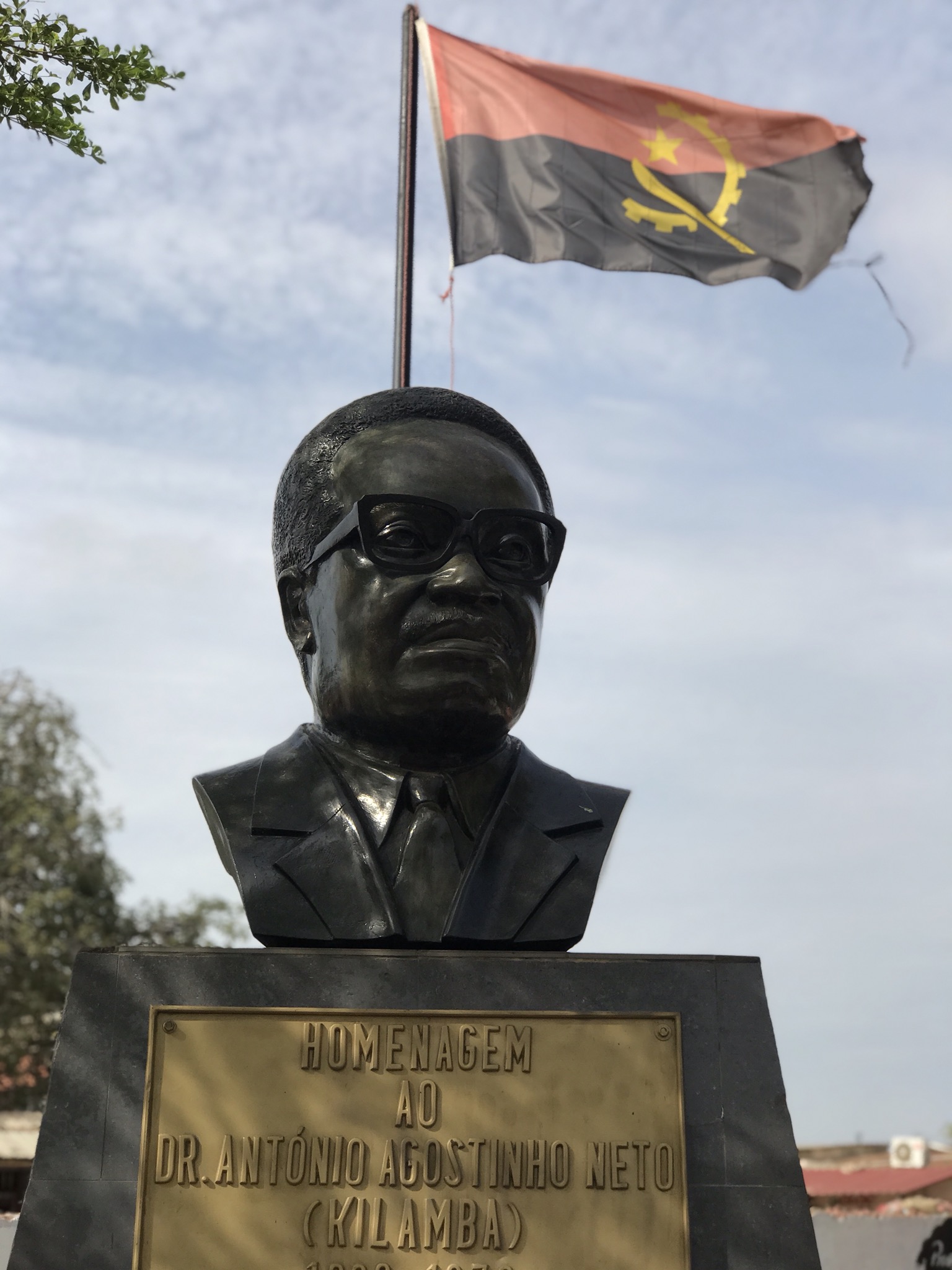
Kilamba
Introduction
Quilamba is a planned urban development in Angola, sitting about 30 kilometres south of Luanda. It serves as the administrative center of Belas Municipality in Luanda Province, so your visit puts you in a government and civic hub rather than an organically grown city.
The city was built by the China International Trust and Investment Corporation (CITIC) as part of a government housing program, financed through a loan between the governments of Angola and China. Knowing this shapes what you see: Quilamba is a purpose-built settlement, and its layout and architecture reflect that planned origin.
Getting around
Kilamba was planned as a self-contained community, so its layout does much of the work of getting you around. Uniform apartment blocks and wide avenues sit on a grid system, which makes orientation straightforward and short trips between nearby residential blocks and commercial areas realistic on foot. There is no metro, tram or light-rail line inside Kilamba, so local movement relies on the street network, buses, taxis and walking. Buses are the main form of public transport you are likely to encounter, running on the roads that connect Kilamba with Luanda and surrounding areas; bus lanes have been announced for Luanda, but their placement and effectiveness remained uncertain, so expect the variability of a system still being developed. Taxis and private vehicles share the same wide avenues and grid streets and are a practical way to cover longer distances within Kilamba or to connect to Luanda. Confirm current bus routes, taxi availability and any ride-hailing options locally on arrival, as services evolve.
Treat rail as a Luanda-oriented option rather than a dependable way to move around Kilamba itself. The relevant service is Luanda's commuter rail, the Caminho de Ferro de Luanda (CFL), which runs on the Luanda–Viana stretch and has been scheduled to run until 11pm; it is not a metro or tram system within Kilamba. Plans for new train lines linking central Luanda to Talatona, Kilamba Kiaxi and the new airport at Bom Jesus were studies only, with no confirmed construction or dates, so do not build plans around them. Water taxi routes were planned as north–south coastal services in Luanda and are already used by some oil workers between Talatona and the SONILS base, but they do not serve Kilamba directly. For airport transfers, plan on reaching Kilamba by road using a taxi or private vehicle: Kilamba sits about 30 kilometres south of Luanda, and the journey reflects wider Luanda traffic conditions, where lanes sometimes drop from five to two, causing bottlenecks, and poor drainage causes flooding and potholes. Allow generous time and avoid tight onward connections.
Three days in Kilamba
Day one: Start by getting your bearings in Quilamba, the planned city at the centre of Kilamba in Belas Municipality, Luanda Province. Knowing that Kilamba was built by the China International Trust and Investment Corporation, or CITIC, of China helps you read the uniform rows of apartment blocks as a single design rather than a set of separate neighbourhoods. Buses and taxis link the city with the rest of Luanda, so confirm your route before you set out. Treat the Caminho de Ferro de Luanda, the CFL, as a way to reach Viana and the wider city.
Day two: Turn your plans toward the coast and the districts around Luanda. Talatona and Kilamba Kiaxi sit within reach, and Bom Jesus is another name you will meet when moving through the province. Water is a constant theme here, from the Atlantic shoreline to the SONILS logistics base that serves the offshore oil industry. Allow time for the distances between these places, because the city spreads out.
Day three: Use your last day to connect the pieces. It is worth returning to Quilamba to see how the planned city sits against the older, denser parts of Luanda, and to notice how Angola's capital has grown outward into Belas Municipality. Confirm your transport back before you leave, whether by bus, taxi or the CFL, and treat the day as a chance to fill in whatever you missed.