Dundo
Introduction
Dundo, also known as Dundo-Chitato, is a city and the provincial capital of Lunda Norte in Angola. It began in the early part of the 20th century as a planned diamond mining community, and it has continued to grow since. The town has its own airport, and it is now being superseded by a new city, New Dundo.
Getting around
Getting around Dundo is mostly a matter of walking, shared taxis and candongueiros, or a private car with a driver. There is no metro, tram, light rail or urban rail network of any kind, and Angola's three main railway lines lie far to the west and south, so rail can be disregarded entirely when planning travel in and around the city. Candongueiros — the blue-and-white minibuses that form the backbone of urban public transport across Angola — charge a flat fare and do not use set stops, so you hail them along the route and tell the driver when you want to get off. Shared taxis (collectivos) run on set routes and are part of the everyday transport mix in smaller towns. Ride-hailing through the app Yango exists in Angola but is used in Luanda and larger cities rather than being a dependable option in Dundo.
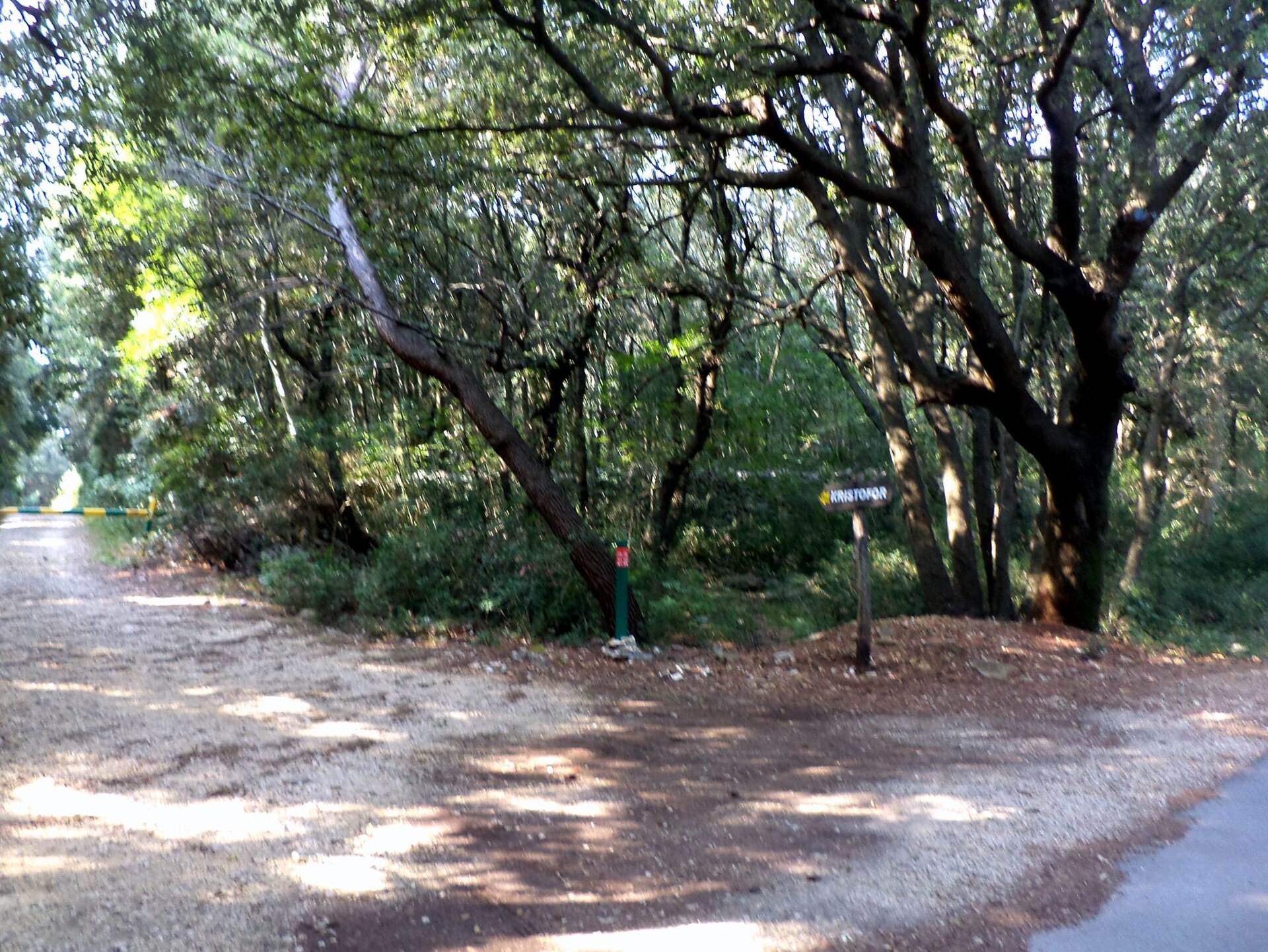
Walking is a genuinely useful way to cover the core of the city. The EN180 highway runs through the centre of the old city, lined by large old-growth trees, and connects New Dundo and Dundo Airport to the city centre, where several large government buildings, the hospital, the Dundo Museum and the Lunda Norte Governor's complex are located. Dundo's old city is informally built and laid out, while the newer planned settlement of New Dundo consists of modern concrete apartment blocks on paved streets, so conditions vary from street to street. Because the airport sits within the heart of the city, the transfer into town is short and straightforward — you are essentially already in town. For regional exploration, hiring a car with a driver is the recommended pattern, and self-drive rental is also possible through international brands; a 4x4 is advisable for rural routes and during the rainy season, which runs from November to April. Long-distance buses connect major Angolan cities cheaply, but Dundo is not primarily served by intercity bus, and there is no Dundo-specific bus terminal, operator or schedule to rely on — treat any long-distance bus option as something to confirm locally rather than plan around in advance.
Three days in Dundo
Day one: Start in Dundo itself, the city at the heart of Lunda Norte, and get your bearings on foot. Walking is the simplest way to take in the streets and the everyday rhythm of the place. The Dundo Museum is the obvious first stop, and it is worth giving it proper time rather than rushing through. In the evening, eat where the locals eat and keep the pace slow.
Day two: Head out to Chitato and New Dundo to see how the wider urban area fits together. Candongueiros and shared rides cover the distances, and Yango works if you would rather arrange a car. Because the weather swings between the long rains and the drier stretch from around November to April, plan your longer stretches of walking for the friendlier hours of the day.
Day three: Use the time for anything you missed, then sort out your onward travel. Dundo Airport handles flights to and from Luanda, so build in a margin before your departure. Getting there is straightforward enough by shared ride or candongueiro, and it is a sensible last day to slow down, revisit a favourite corner of the city, and leave without a scramble.