Ondjiva
Introduction
Ondjiva, once known as Vila Pereira d'Eça, is the administrative capital of Cunene Province, sitting at the extreme south of Angola about 42 kilometres from the border with Namibia. It is also a commune within the municipality of Cuanhama, and it was traditionally the seat of the Ovambo king of the Oukwanyama tribe — a history worth keeping in mind as you get your bearings in the town.
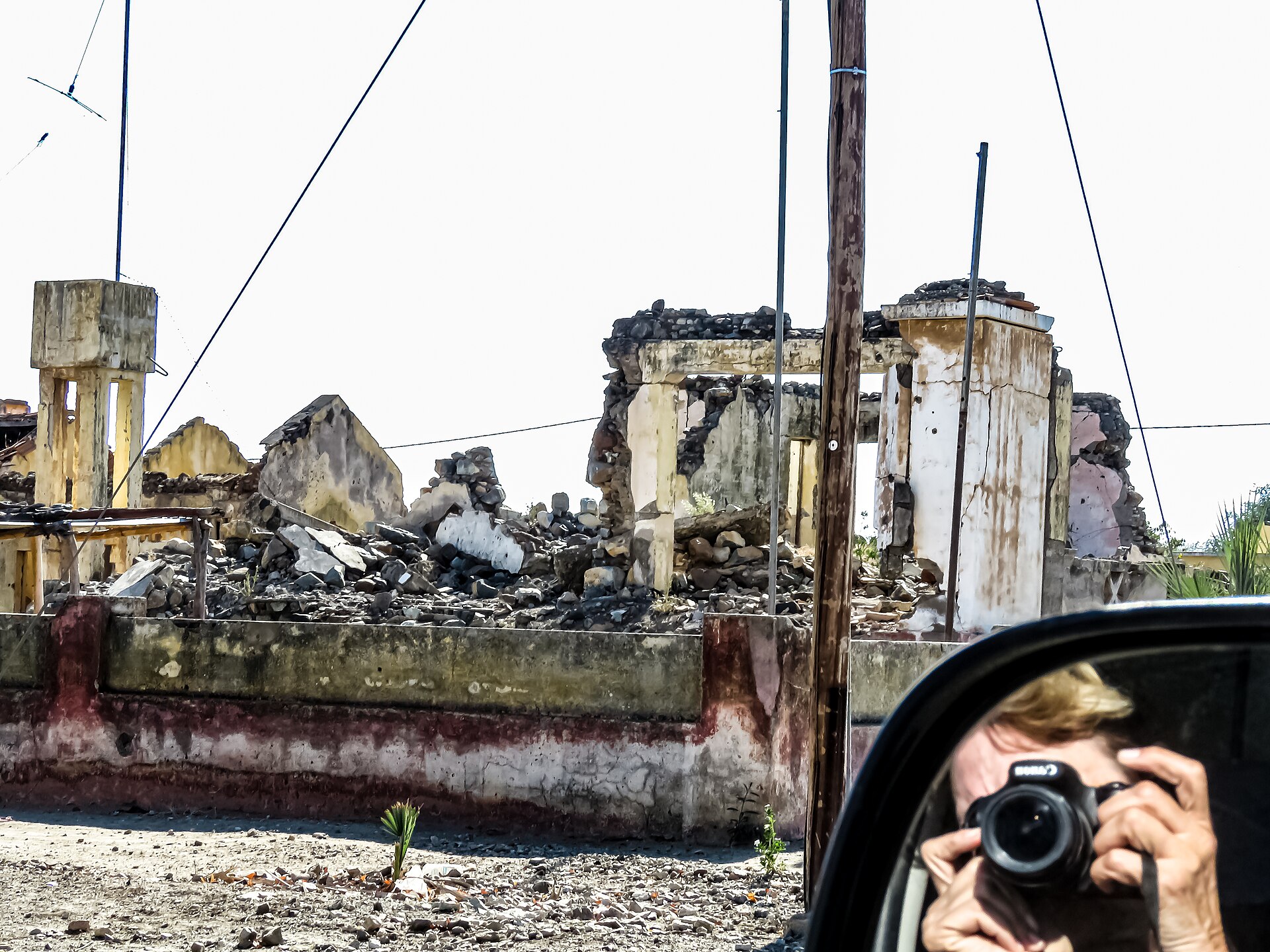
Ondjiva was greatly affected by the Angolan Civil War, which ran from 1975 to 2002, and that legacy shapes the place you encounter today.
Getting around
Ondjiva is spread out and low-rise, with no rail or metro to fall back on, so most movement happens by minibus, shared taxi, or on foot within a single neighbourhood. The town is organised into twelve bairros — Pioneiro Zeca I and II, Bangula I and II, Kafito I and II, Kachila I and II, Naipalala I and II, Castilhos, and Kakuluvale. Walking works well inside one bairro, where you'll find local shops and services, but distances between neighbourhoods make it impractical for crossing town, especially given the heat. Most visitors combine walking at their destination with a candongueiro or shared taxi for the longer legs.
- Candongueiros — blue-and-white minibuses — dominate urban transport: they charge a flat fare, run without fixed stops, and are typically crowded. Flag one down along its route and pay on board; there are no tickets, passes, or advance bookings.
- Shared taxis (collectivos) run set routes between smaller towns and are a common way to cover ground outside the city. Traditional taxis generally require negotiated cash fares rather than meters, so agree on a price before you get in.
- Ride-hailing apps such as Yango are not a reliable option in Ondjiva — do not count on summoning a car through an app here.
- For longer journeys, long-distance buses (often called macas) link major cities and provincial capitals cheaply, though trips can take many hours and comfort, safety, and schedules vary by operator. Companies such as Macon and SGO run services between major hubs. Book well ahead around holidays and Carnaval, when buses sell out.
- Ondjiva Pereira Airport (Aeroporto 11 de Novembro) sits to the northwest of the centre, so the onward trip into town is short — arrange a taxi or a lift from your accommodation rather than expecting an app-based pickup or an airport bus. TAAG flies here with connections to Luanda, Catumbela, and Kuito; note that TAAG's domestic departures now leave from António Agostinho Neto International Airport (NBJ) near Luanda, not the old city airport.
- Portuguese is useful for negotiating fares and asking directions; Oshikwanyama is also widely spoken in the area. Carry cash for candongueiros, shared taxis, and negotiated taxi fares — card payment is not the norm outside Luanda. Public transport is not oriented toward tourists with luggage, so keep bags manageable.
- If your visit coincides with Ondjiva's annual 15-day trade fair in July, expect the town to be busier and plan transport accordingly.
Three days in Ondjiva
Day one begins in Ondjiva itself, the capital of Cunene Province in southern Angola, where you can get your bearings on foot through the streets of the Cuanhama area. Most visitors arrive via Ondjiva Pereira Airport, also known as Aeroporto 11 Novembro, and the town makes a manageable base for exploring the wider region. Walking is a good way to absorb the everyday rhythm of this Ovambo-influenced city, and you can stop for traditional dishes such as macon as you go. In the evening, ask locally about Candongueiros and shared rides if you want to move between neighbourhoods without walking.
- Ondjiva Pereira Airport (Aeroporto 11 Novembro)
- Walking through Ondjiva and the Cuanhama area
- Traditional food including macon
- Candongueiros and shared rides for getting around
Day two takes you out to nearby settlements that reflect the region's layered history. Vila Pereira, Eça and Bangula are among the places within reach of Ondjiva, and each offers a sense of daily life in Cunene Province. The area carries the memory of the Angolan Civil War and the older Oukwanyama kingdom, so it is worth reading up before you travel. For transport, companies such as Macon and SGO operate in the region, and ride-hailing options like Yango may be available in town.
- Vila Pereira
- Eça
- Bangula
- Macon and SGO for regional transport
- Yango for rides in town
Day three is a chance to slow down and take in local culture before you leave. If your visit coincides with Carnaval, Ondjiva marks it with its own celebrations, and the Pioneiro Zeca name is associated with the city's cultural life. Football fans may know the city through its connection to the club scene, and the flag and identity of Angola are visible throughout. Before departing, confirm your onward travel to Namibia or elsewhere in Angola, and book shared transport in advance where possible.
- Carnaval in Ondjiva
- Pioneiro Zeca
- Shared transport and onward travel to Namibia or within Angola