Where the Second Day Begins: Coffee Shops and Red Packets in Sengkang
On the morning of Sunday 7 February 2027, the second day of Chinese New Year, Sengkang's coffee shops fill early. Families in new red clothes sit over kopi and kaya toast, children turning red packets over in their hands, before heading out to visit relatives. It is the quieter, more social half of the holiday: the day married daughters traditionally return to their parents' homes with their families, and the day extended relatives and friends drop in on one another without much ceremony. Treat it as a day for slow visiting, long lunches and walking between homes, rather than a day built around a single ticketed event.
Join the Visiting Round: Ancestral Homes and Open Doors
The core of the day is social, not staged. If you have relatives or friends in Sengkang, accept the invitation to call on them; the day is made for it. If you are visiting from elsewhere, ask your hosts to bring you along on their round of visits — the rhythm of the day is door to door, with food and conversation at each stop.
- Dress in something new, ideally red, as is customary on the first days of the festival.
- Bring two mandarin oranges when you call on a household; they are the standard gift of the season.
- Expect red packets (ang bao) to change hands between elders and children.
- Keep the visit relaxed: the second day is for extended family and friends, not the formal obligations of the first.
Look Up: Banners, Couplets and Lanterns Across the Town
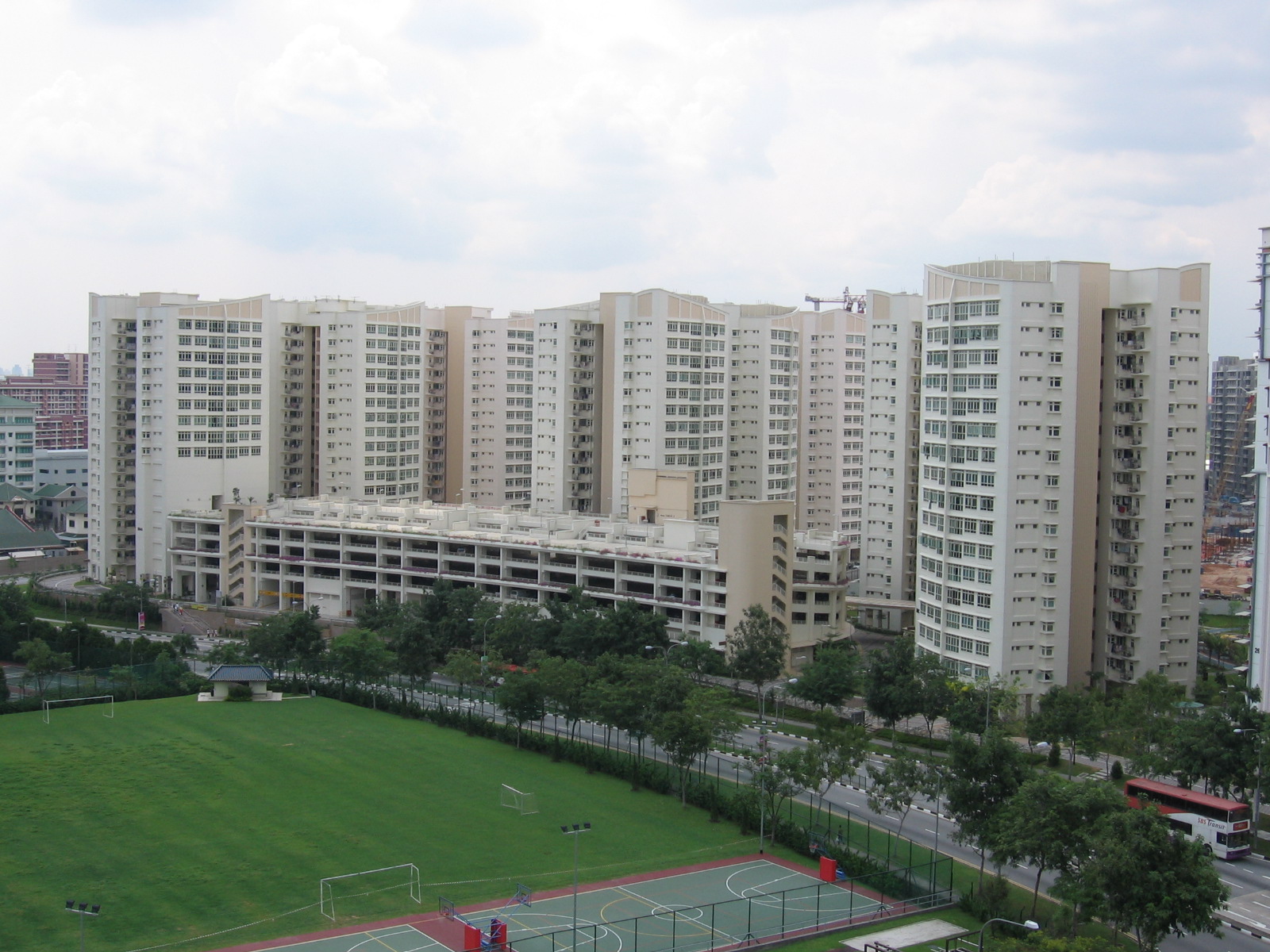
Throughout the festival period, homes and common spaces across Singapore are dressed with red banners, couplets and lanterns, and Sengkang's residential blocks and void decks take on the same colour. Walk the town's housing estates and neighbourhood centres on the second day and you will see the decorations families have put up in the run-up to the holiday — a good reason to take the long way between visits. The night before, New Year's Eve, is marked by the reunion dinner with symbolic dishes, so by the second day the table is still the centre of things: expect leftovers, snacks and sweets to be pressed on you at every stop.
Head to Chinatown for the Big Public Celebration
Singapore's largest public Chinese New Year celebrations are concentrated in Chinatown, where the festival brings cultural performances, lion and dragon dances, fireworks and festive markets. The second day falls within the holiday period, so if you want the spectacle — the crowds, the drumming, the market stalls — plan a trip from Sengkang into Chinatown and go early in the day. Check local listings closer to the date for exact performance times and market hours; the celebrations run across the festival period rather than on a single fixed schedule.
- Cultural performances and lion and dragon dances in Chinatown.
- Festive markets for New Year goods and food.
- Fireworks as part of the wider celebrations.
Eat Through the Day: Reunion Leftovers and Market Snacks
Food carries the day. The reunion dinner on New Year's Eve is built around symbolic dishes, and the second day continues in the same spirit — meals at relatives' homes, sweets and snacks offered to every visitor, and, if you make the trip to Chinatown, the festive market stalls. In Sengkang, start with a coffee-shop breakfast and let the day's eating follow the visits; there is no need to plan a single restaurant, since the hospitality is the point.
Plan Around the Calendar
Chinese New Year's Day 2027 falls on Saturday 6 February, and the second day on Sunday 7 February; both are official public holidays in Singapore, so shops, transport and crowds will follow holiday patterns. Book accommodation and any Chinatown visit around those two days, keep the second day free for visiting, and confirm performance and market timings with local listings as the date approaches. Sengkang itself has no dedicated public programme listed for the day — the celebration here is the home visit, the decorated block and the shared table, with Chinatown supplying the spectacle. Start with the calendar, then let the visiting set the pace.