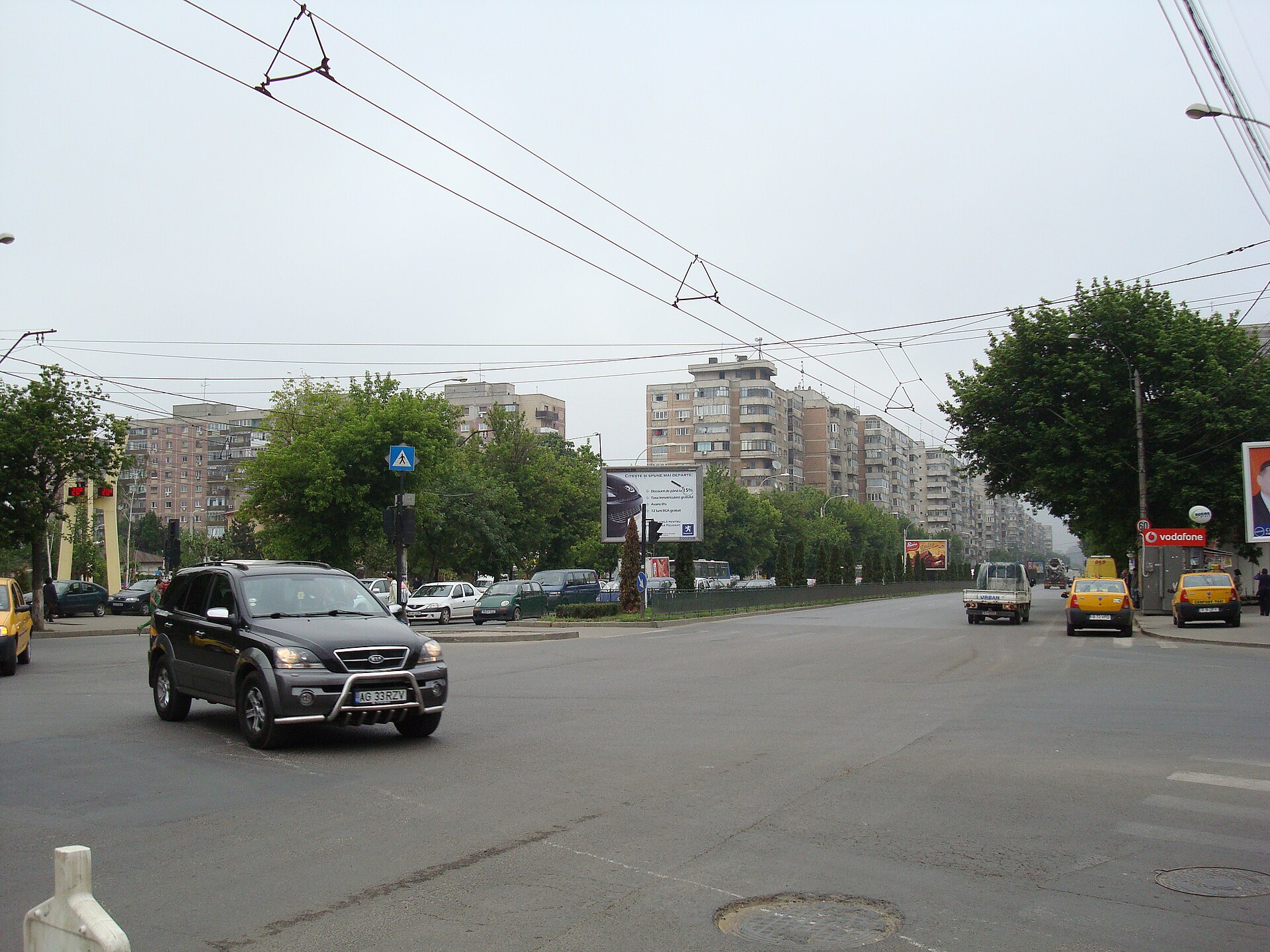
Where the Feast Begins: January 7 in Sector 6
It is Thursday, January 7, 2027, and the city is quiet in a way that only a national holiday can produce. In Sector 6, the western slice of Bucharest that runs from the Dâmbovița's northern bank out toward the ring road, the shutters stay down on offices and the trams run half-empty. What fills the day instead is the church calendar: this is the Synaxis of St. John the Baptist, the day after Theophany, when Orthodox congregations honour the man they call the Forerunner — the cousin of the Virgin Mary, son of the Prophet Zacharias and Elizabeth, who baptised Jesus Christ and was beheaded by Herod Antipas around AD 30. In a country where the 2011 census counted 16.3 million Orthodox Christians, 86.45 percent of the population, that is not a niche observance. It is a public holiday, and work is not permitted.
Stand Through a Morning Liturgy
The centre of the day is the service, and in Sector 6 you have no shortage of places to attend one. St. John is venerated as a protector saint, so parishes bearing his name — and there are many across the sector's older residential quarters — mark the day with particular weight. Arrive early if you want a place near the front; by mid-morning the nave is standing-room only, and the crowd spills out onto the steps and into the yard.
- Dress for January: the churches are cold, and the service is long.
- Expect the full Orthodox liturgy rather than a short commemorative rite — this is a principal feast, not an afterthought.
- Listen for the epithets: Forerunner, Baptist. They are the day's vocabulary.
- If you are not Orthodox, stand at the back and observe; the custom is to remain quiet and still.
Eat What the Feast Puts on the Table
January 7 falls the day after Theophany, and the table in Sector 6 reflects the season rather than the calendar of any one restaurant. This is deep winter in Bucharest — the time for the heavy, slow-cooked cooking that carries a household through to spring. Look for it in the neighbourhoods where people actually live and shop rather than in the centre.
- Cozy, meat-heavy stews and braised dishes, served with polenta or bread.
- Pickled vegetables and preserved autumn produce, standard winter pantry fare.
- Cabbage rolls and sausage — the dishes that anchor a Romanian winter table.
- Sweet breads and cozonac-style baked goods, which appear at feast days throughout the year.
Your best bet is a neighbourhood market or a family-run bistro in the residential blocks of Sector 6, where the kitchen is cooking for locals marking a day off rather than for visitors. Go at lunch, when the holiday meal is the main event.
Walk the Sector While the City Is Closed
A national holiday is the one day you can walk Sector 6 without competing for pavement. The sector stretches west from the Dâmbovița, taking in the leafy streets around the Botanical Garden, the corridor along the river, and the large residential districts further out toward Militari. With offices shut and work not permitted, the rhythm is slow: families walking, older residents on benches despite the cold, the occasional open bakery.
- Follow the Dâmbovița's northern bank and watch the light on the water in the low winter sun.
- Loop through the streets around the Botanical Garden — bare trees, but the quietest walking in the sector.
- Head out toward Militari for the everyday face of Sector 6: markets, blocks, tram lines, and people going about a holiday.
- Time your walk for the afternoon, after the morning liturgies have let out and the streets fill briefly with people heading home to eat.
Join the Evening, Wherever the Parish Keeps the Feast
The day does not end at the church door. In Orthodox practice, a major feast carries through into the evening, and in Sector 6 the parishes that keep St. John's day do so with the ordinary, reliable customs of a Romanian holiday: neighbours visiting, tables set for longer than usual, conversation that runs past dark. If you are invited, accept — this is the real celebration, and it happens in homes rather than in any venue a guidebook could name.
- Ask at the church after the liturgy whether the parish is marking the day further; local congregations often are.
- Bring something for the table if you are a guest — a bottle, a sweet — as is the custom.
- Expect the evening to be long and the food to keep coming; this is a feast, not a dinner.
Plan Around a Fixed Date
The Synaxis of St. John the Baptist falls on January 7 every year, and in 2027 that is a Thursday. Because it was made a national holiday by law — signed by President Klaus Iohannis in March 2023 and effective from 2024, on an initiative from Chamber of Deputies president Marcel Ciolacu and PSD deputy leader Alfred Simonis — the day is genuinely free, which means the city empties of work and fills with observance. January 6, the Feast of Theophany, was added at the same time, so the two days run together into the heart of the Orthodox winter.
Start with the date: Thursday, January 7, 2027. Book your stay in Sector 6 rather than the centre, so the morning liturgy and the evening table are both within walking distance. Pack for real winter, plan your walking for the middle of the day, and let the holiday set the pace — in a country where nearly nine in ten people belong to the church that keeps this feast, the day belongs to the parish, and you are welcome to stand alongside it.