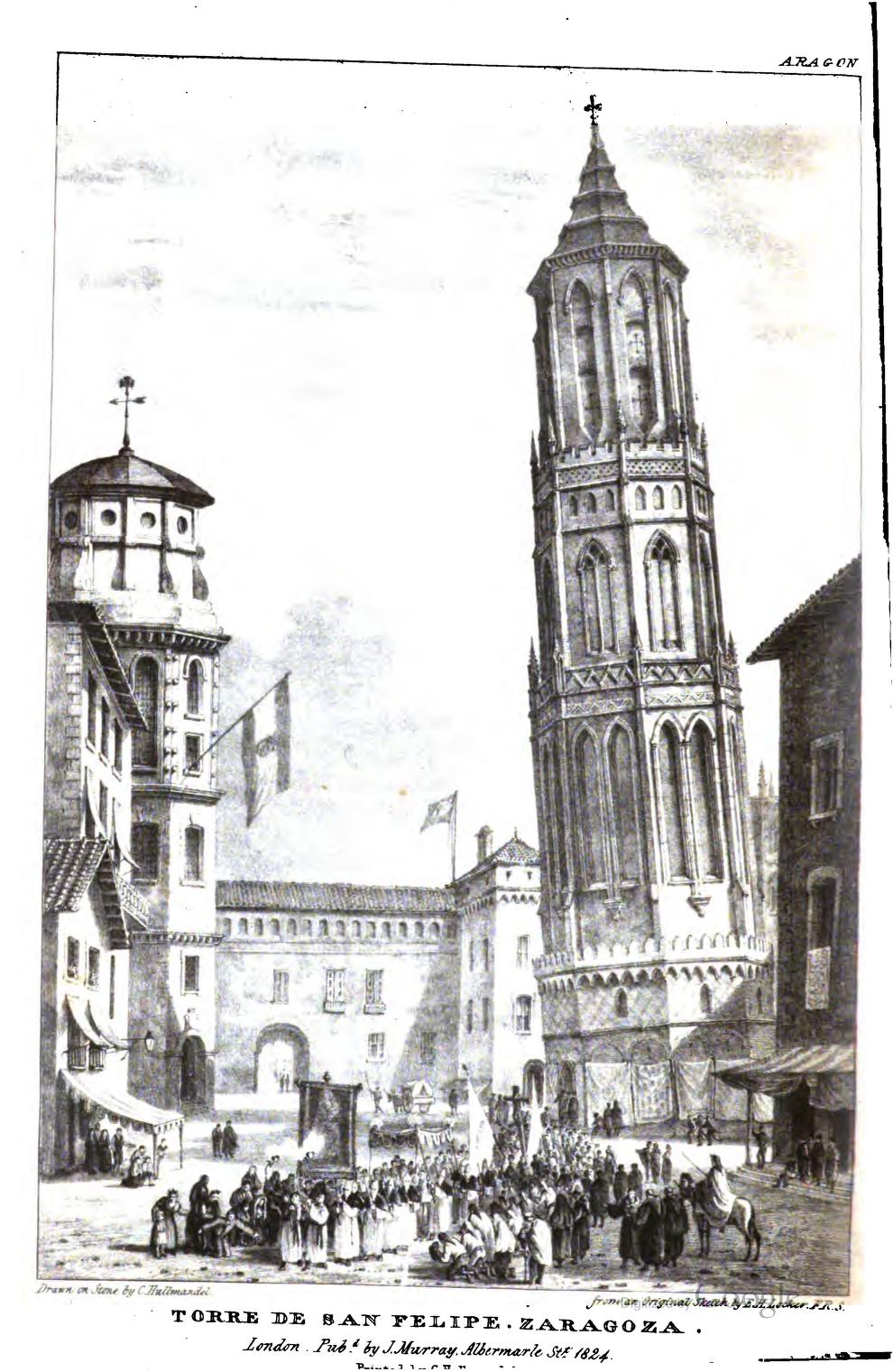
Roasted Chestnuts and Cemetery Candles: All Saints' in Zaragoza
By late afternoon on 1 November, the air in Zaragoza has turned cold enough that the smoke from the chestnut braziers is the warmest thing on the street. You smell them before you see them — split shells hissing over the coals, sold in paper cones on street corners and at market stalls. This is the Castanyada, the Aragonese and Catalan observance of All Saints' Day, and the city marks it with a rhythm that is quiet by day and crowded by evening: families carrying chrysanthemums toward the cemeteries, cafés filling up after Mass, and pastry shop windows stacked with marzipan bones and fried dough.
All Saints' Day, 1 November, is a national public holiday in Spain. Council and government offices, banks, and some public services close for the day, so plan your errands around it. It is also a Catholic Holy Day of Obligation, which means churches across the city hold Mass — often commemorating those who died during the year, with the Beatitudes typically read.
Where to Spend the Day: Cemeteries, Churches, and the Flower Rush
The core of the observance is at the cemetery. Across Spain — and Zaragoza is no exception — families gather at local cemeteries to clean and decorate graves with flowers, and Mass may be held at the cemetery itself, followed by a family meal. If you want to see the city at its most traditional, go in the morning or early afternoon and simply walk the avenues of graves; you will see the same scene repeated at every plot, and it is the day of the year when florists do their heaviest trade.
In the evening before the holiday, it has become increasingly common to place candles on graves. If you are in Zaragoza on the night of 31 October, that is where the light is.
- Attend a Mass. Churches throughout the city hold services for the Holy Day; many also commemorate parishioners who died in the past year.
- Visit a cemetery in the late afternoon. Arrive as the flowers are being laid out and stay for the candles.
- Buy chrysanthemums. You will find them at florists and at stalls set up near cemeteries — the single most visible purchase of the day.
What to Eat: Chestnuts, Buñuelos, and Huesos de Santo
The seasonal food is the other half of the holiday, and in Zaragoza it is easy to eat your way through it.
- Castañas asadas — roasted chestnuts, the typical snack of the day, sold hot from braziers and stalls. This is the dish that gives the Castanyada its name.
- Buñuelos de viento — light dough fritters, often filled with custard, chocolate, or cream. Local folklore holds that eating one releases a soul from purgatory, which is as good a reason as any to have a second.
- Huesos de santo — marzipan "saint's bones," the confectionery counterpoint to the buñuelos, sold in pastry shops through the season.
- Panellets — almond, potato, sugar, and pine-nut sweets. They are most associated with Catalonia, Valencia, and the Balearic Islands, but you will find them in Aragonese pastry cases around this date.
For the full experience, buy your chestnuts from a street stall, then take them to a café and order a coffee or a hot drink to go with them. The city's markets and pastry shops are where the day's food concentrates; go earlier rather than later, as the buñuelos and huesos de santo sell down as the day goes on.
How the Rest of Spain Marks It — and What That Means for Your Trip
If you are building a trip around 1 November, it helps to know how the observance varies across the country, because Zaragoza sits between several distinct traditions.
- Catalonia calls the day the Castanyada — the chestnut festival that gives Zaragoza's own celebrations their name and their braziers.
- Cádiz holds the Fiesta de Tosantos on 1 November, when local markets turn into parties and vendors dress up.
- Cocentaina, in Alicante, hosts the Fair of "Tots els Sants," a large market with seasonal products and cultural activities.
- The Canary Islands observe the Fiesta los Finaos, when families gather to eat and share stories of the deceased.
- Galicia marks Samhain in some areas; the Basque Country holds Gaztañerre Eguna.
The holiday's roots run deep: it traces to a 4th-century Greek Christian festival honouring saints and martyrs, was first recorded on 13 May 609 AD when Pope Boniface IV dedicated the Pantheon in Rome, and moved to 1 November in 835 AD under Pope Gregory III. The date likely replaced the pagan feast of the dead, Samhain — which is why dressing as creatures to confuse spirits on Samhain's eve carried over into Halloween, All Hallows' Eve. In Spain, the day survived the Reformation and remains a public holiday, even as many churches also mark it on the first Sunday in November.
A Day-Trip and a Night Out: Planning Your 1 November
Zaragoza's position in Aragon puts you within reach of the Catalan Castanyada traditions to the east and the wider Spanish observances in every direction — Cocentaina's fair and Cádiz's Tosantos are both within a long day's travel if you plan the trip around the holiday. Closer to home, the shape of the day is simple: cemetery and flowers in the morning or early afternoon, Mass if you wish, a family-style meal, then the evening walk for chestnuts and candles.
Because 1 November 2026 falls on a Sunday, expect the holiday crowds to blend with weekend traffic, and note that when the date sits adjacent to a Sunday, the Mass obligation is sometimes dispensed — check with the parish if attending Mass is central to your plans. Banks, government offices, and many public services will be closed regardless.
Start with the calendar: block out 31 October for the candle-lighting and 1 November for the cemeteries, the Masses, and the food. Book your travel and accommodation early, since this is one of the busiest travel periods of the Spanish autumn, and build your days around the things that do not need a schedule — the chestnut smoke, the flower stalls, and the long, slow evening walk through a city that has been marking this date for more than a thousand years.