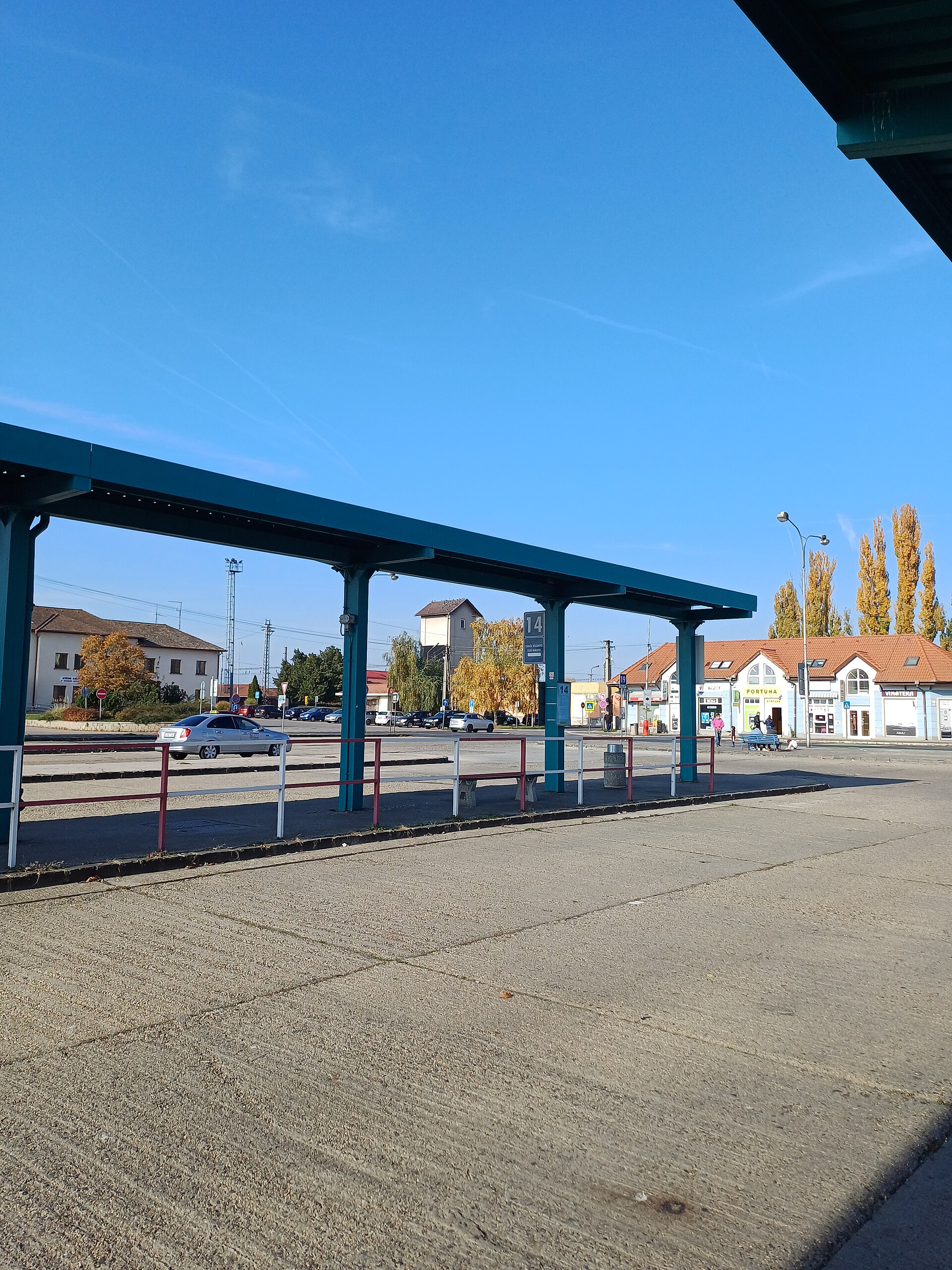
Levice is a town in the Nitra Region of western Slovakia, situated on the left bank of the lower Hron river. Its name derives from the Old Slavic "Leva," meaning "the Left One," a reference to its position on the river. With a population of roughly 35,000, it is the fourth-largest town in the Nitra Region, after Nitra, Nové Zámky and Komárno. The town was first mentioned in documents in the 12th century, when it was part of the Kingdom of Hungary and known by the Hungarian name Léva.
Levice's most prominent sight is Levice Castle, a 13th-century royal castle now preserved as a ruin. It grew in importance during the 150-year Ottoman occupation that began with an attack in 1544, ranking among the 15 most important defence forts of the period; Ottoman forces left in the summer of 1664 after losing the Battle of Levice to the Austrian Imperial Army. The castle today houses the Tekovské múzeum, with archaeological, historic and ethnographic collections, and hosts Levice Castle Days each June. Other landmarks include the 19th-century Schoeller's mill, whose tower serves as a local orientation point, the town hall built in 1902, and several churches and a synagogue. The town centre is compact and walkable.
The local economy includes food processing, and one of Slovakia's two nuclear power plants is located nearby at Mochovce. Levice is the hometown of Eugene Fodor, the Hungarian-American travel writer who founded the Fodor's guidebooks. The town is accessible by road and rail, with connections to Bratislava, Nitra, Zvolen and Banská Bystrica.